If politics and private equity hadn’t obliterated the beanbag optimism of tech’s twenty-teens, this satirical novel would have been more than capable of shattering our illusions. (review by Christian Trevor Lisa)
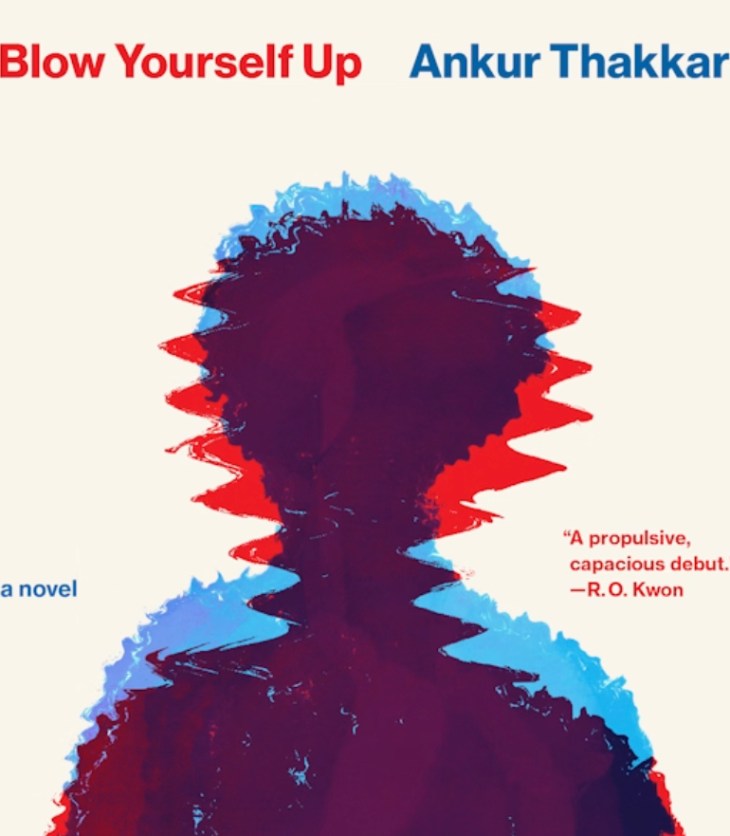

If politics and private equity hadn’t obliterated the beanbag optimism of tech’s twenty-teens, this satirical novel would have been more than capable of shattering our illusions. (review by Christian Trevor Lisa)
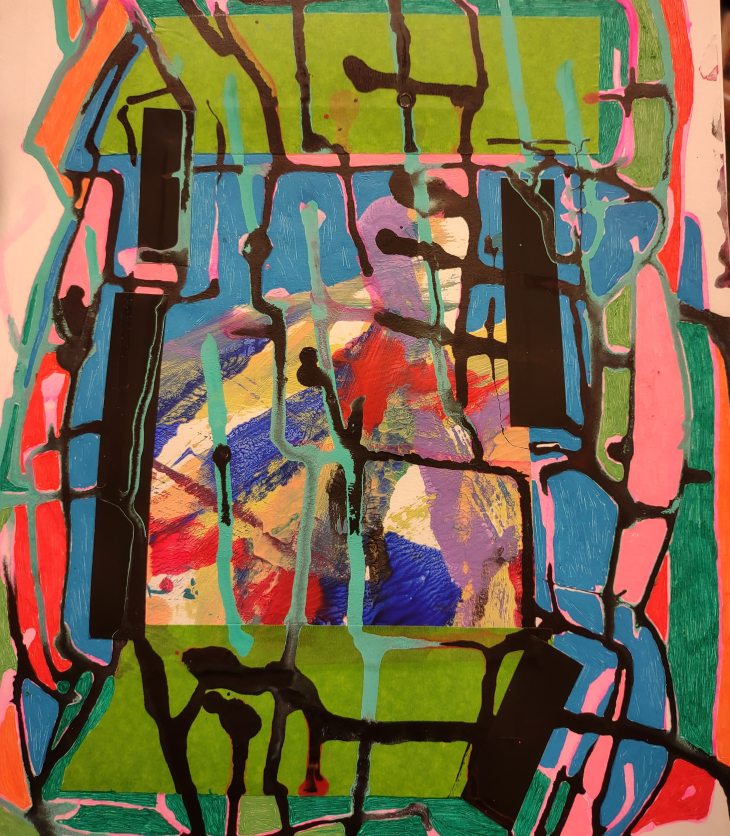
Taller today, in emptied summer city
the height of the deceased singer
five foot five, weight one twenty
people with basement apartments
were short and wore one-piece
bathing suits to beaches and lakes
(poetry)
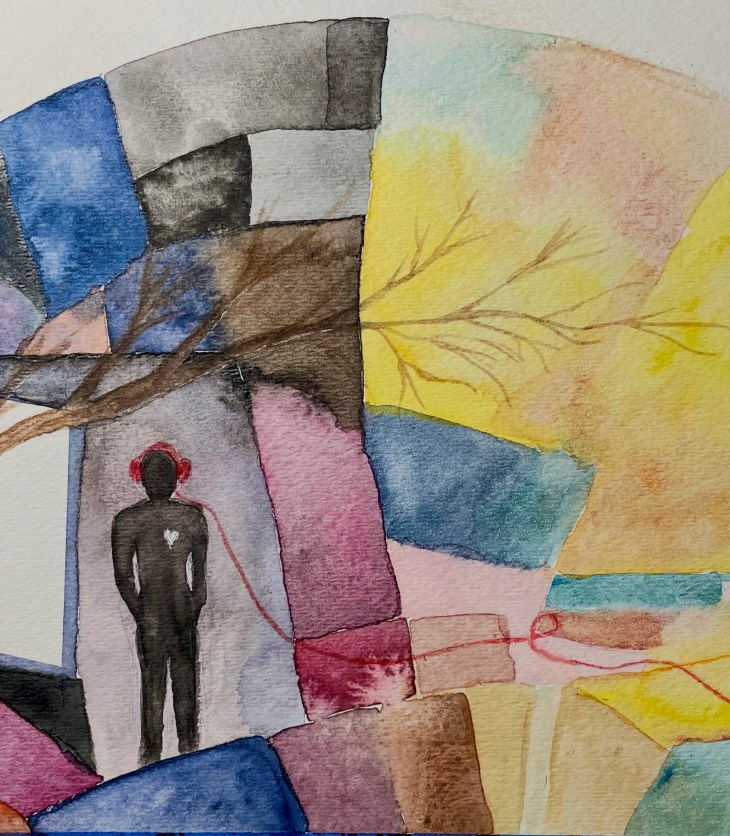
I am attached to a headset by a red wire. Like a dog to a tree, I can reach only as far as the cord allows. When a call comes, I answer: 988 lifeline this is … and speak aloud my alias. (nonfiction)
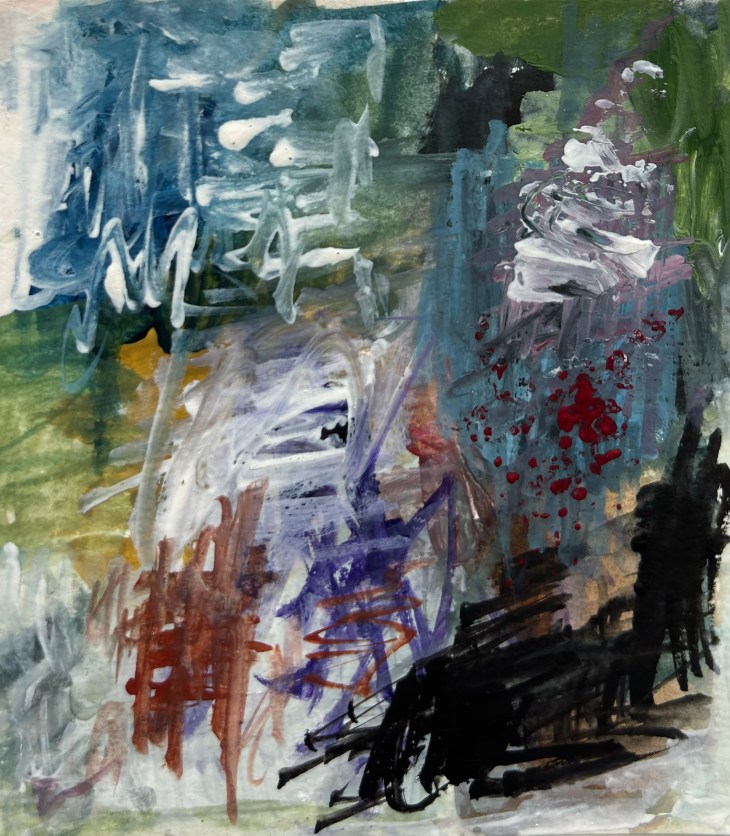
We were never lovers. I’m not sure he has lovers, other than the music. We weren’t even really friends, but I did once make him cry. (fiction)
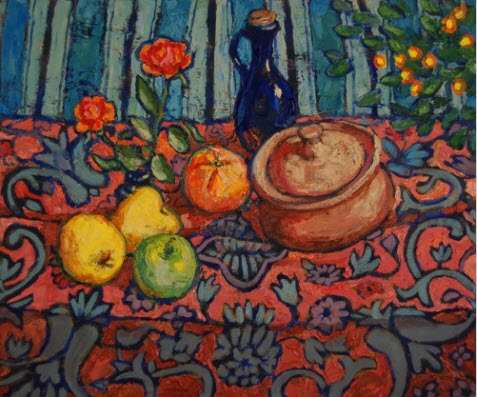
In the dream, we were still harvesting.
My hands were dark with dust
and bitter from the olives.
Someone laughed when I missed the basket.
(poetry)
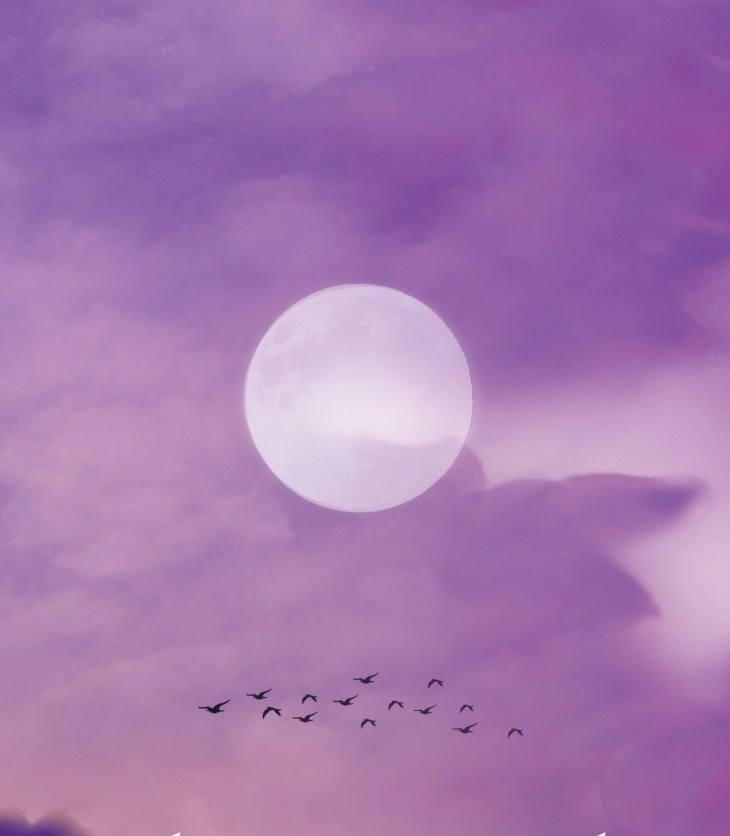
Deceptive but alluring blends of sound and song, traditional lullabies promise the deepest sense of intimacy alongside a chilling sense of dread. (review by Sara R. Burnett)

I would like to see ACM publish more literature in every genre describing peacebuilding and nonviolent resistance to international authoritarianism… (editor’s letter)
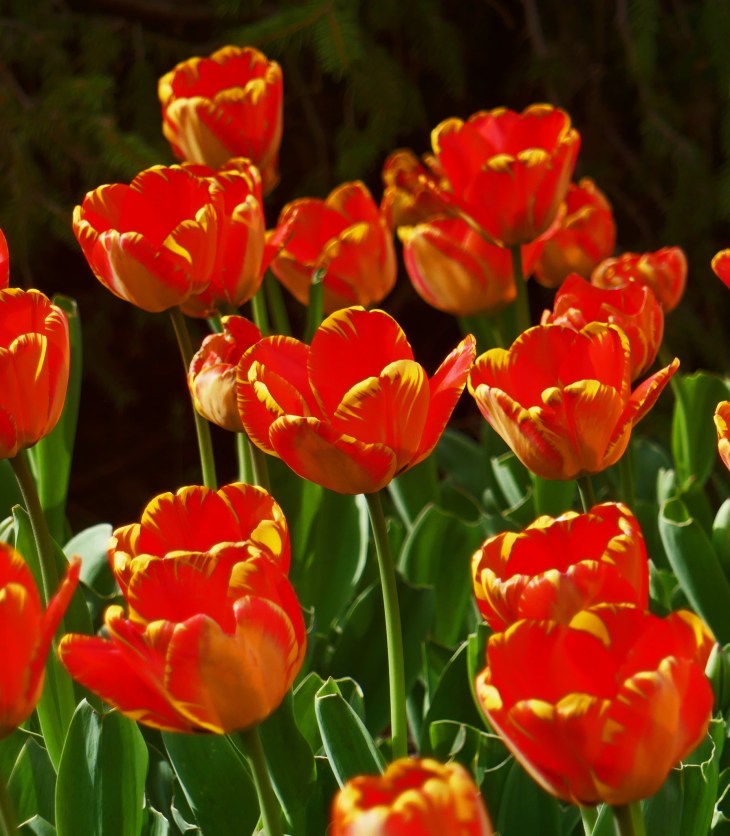
Tim hopped out of his parked diesel Jetta, his naturally orange hair prominent against the brisk, late January day. He said, “Stay here for a second, Stever. I’ve got something for us.” (nonfiction)
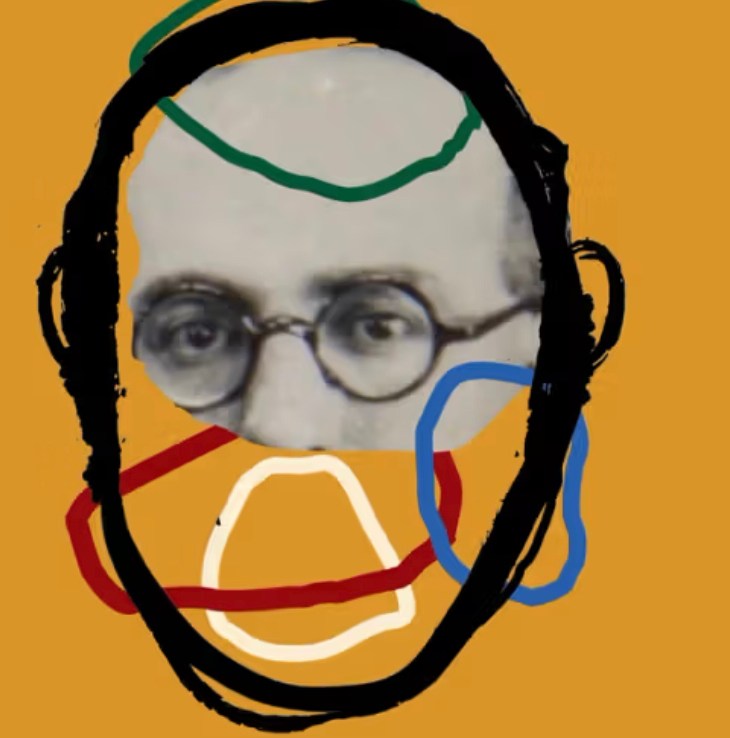
The poems themselves are a genuine treat to read, as well as the mysterious, half-finished biography lurking beneath…
(review by Matt Martinson)