
When We Were Told to Sit Still
In Nigerian classrooms, silence is a subject. It’s not written on the timetable, but it’s graded just the same. Teachers call it discipline. Parents call it home training. We, the students, call it survival.
We sit with our backs straight, mouths zipped, hands behind our backs like we’re waiting for cuffs. Notebooks open, pens in hand, our minds never allowed to wander too far. Questions are dangerous things. Opinions even more so.
Once, in SS1, a girl raised her hand and asked why we didn’t have fans in the assembly hall. It was a fair question—the heat was a kind of punishment we had all normalized. The next day, she was summoned to the staff room. By the end of the week, she was no longer head of class. “Too forward,” they said.
That was the first time I realized that silence was enforced.
Later, when I became chapel prefect, then senior prefect, I wore obedience like a badge. I policed others, repeating phrases I had once flinched at: “Don’t talk back.” “Lower your voice.” “Sit properly.” I told people to act the way we had been taught. But every time I stood before the school, speaking into the mic, something inside me itched.
Now I understand: we weren’t learning silence. We were being taught how not to resist.
Sometimes, silence is the way oppression learns to speak fluently in every language. When we were told to sit still, we didn’t just lose movement—we lost voice.
Silence followed us home.
It changed uniform. Now it wears agbada in boardrooms and aso-ebi at family events. It sits at dining tables, sipping malt while dodging hard conversations. It nods in church pews when the sermon avoids what truly needs to be said.
Because silence picked our curtains, blessed our meals, raised our children.
As we grew, silence matured with us. We swallowed unfairness at work, tension at home, heartbreak in public. We masked confusion with “Na so e be.” Covered wounds with “It is well.”
It’s in the way parents say “Because I said so,” and in how elders use age to dismiss the truth. It shows up in the way we don’t talk about trauma, about why that uncle can’t be left alone with the children. We hide pain under proverbs. We call it culture.
Because here, we inherit silence like land we never asked for. We are adults who say “sorry” when we mean “stop,” who say “Thank God” when we mean “I’m barely holding on.” We whisper truth in private and applaud lies in public, because speaking up feels like a sin. And when someone dares to break that code, we ask: “Must you say everything?”
We call injustice “normal,” call incompetence “ reality.” We vote, then retreat. Suffer, then move on. Because silence taught us to adjust.
But something shifted.
It began quietly. I wrote what I couldn’t say aloud. I asked a question in a room where no one else asked. At first, my voice trembled.
Now I speak—for all the words that never made it past our throats.
✶✶✶✶
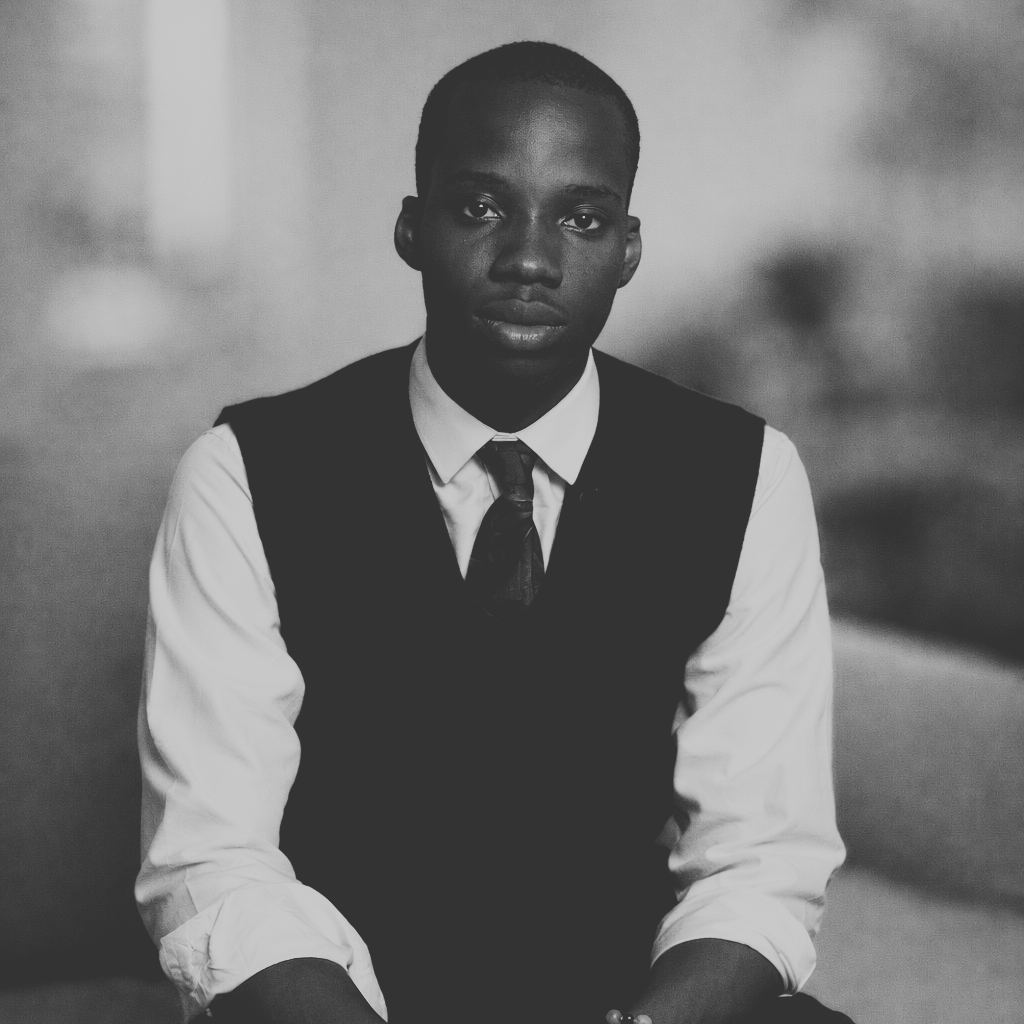
Ndoma-Egba Ivan is a Nigerian writer and lyrical poet whose work explores the subtle ways people shift under pressure, movement, and expectation. His writing leans toward quiet disruption, drawn to moments where identity and meaning are not fixed but continually being reworked. His work has appeared in Vanguard Newspaper, FIYAH Literary Magazine, Abridged, Grandma Moses Press, The Medley, and elsewhere. He writes across poetry, essays, and digital forms, guided less by genre and more by what the work demands. At its core, his writing is concerned with language that stays, whether on the page, in the mind, or within the systems that shape how we live and speak.
✶
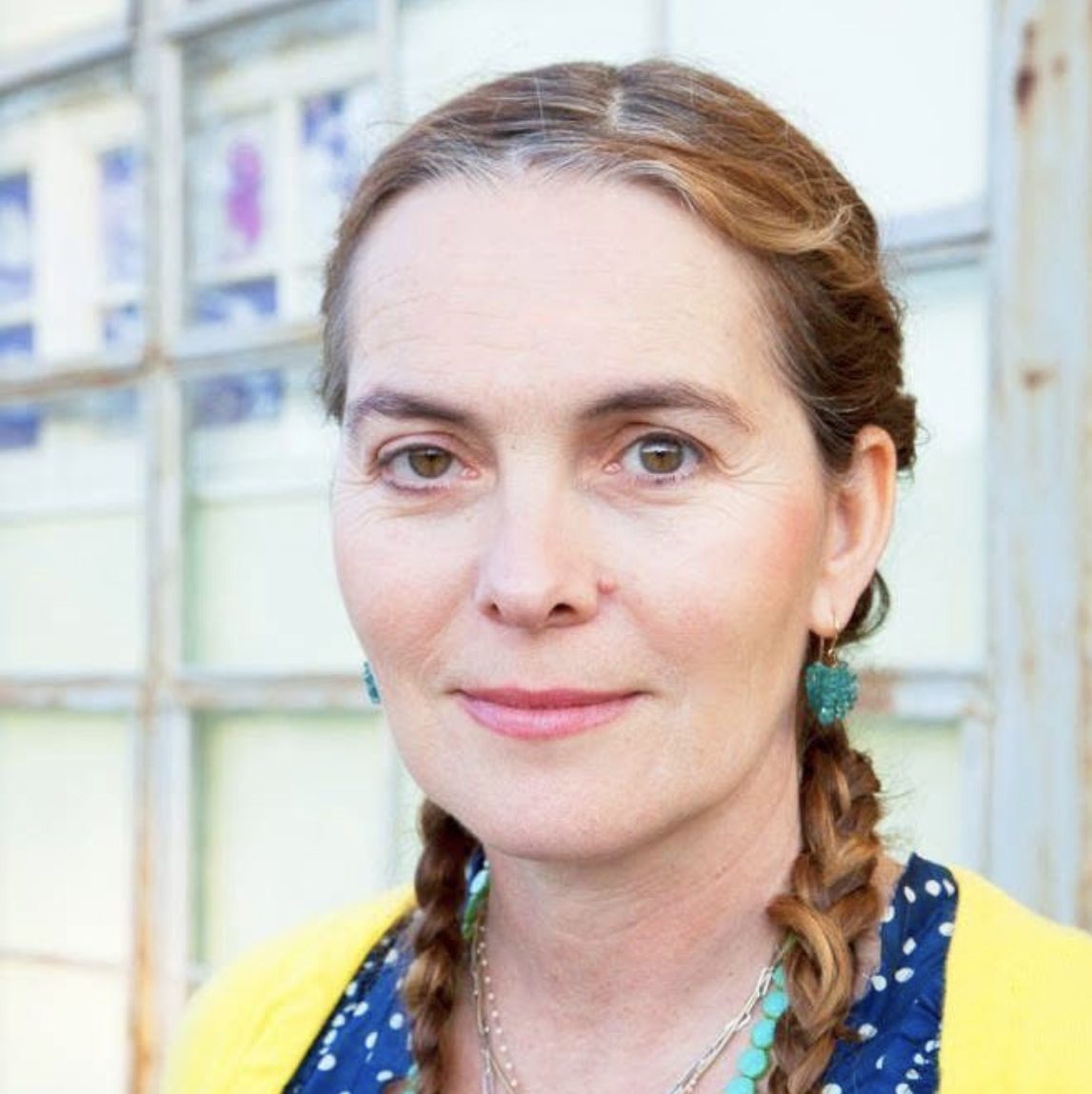
Bastienne Schmidt is a multi disciplinary artist working with photography, painting and large-scale drawings. She was born in Germany and has lived in New York for the past 30 years. Her art work is included in the collection of the Museum of Modern Art in New York, the International Center of Photography, the Brooklyn Museum, the Victoria and Albert Museum in London and the Bibliothèque Nationale in Paris among many others. She has published seven monographs, and was the Artist in Residence at the Parrish Art Museum in 2017 and in 2018 was awarded a residency at the Watermill Center. In 2019 she was chosen to be part of the Parrish Art Museum exhibition ‘Artists Choose Artists’. She is the recipient of the Kodak Book Award, the Best German Poto Book Award and the German Photo Prize. She is also a winner of the World Press Photo Award and she received a grant from the Soros Foundation for her documentary work.
✶

