If politics and private equity hadn’t obliterated the beanbag optimism of tech’s twenty-teens, this satirical novel would have been more than capable of shattering our illusions. (review by Christian Trevor Lisa)
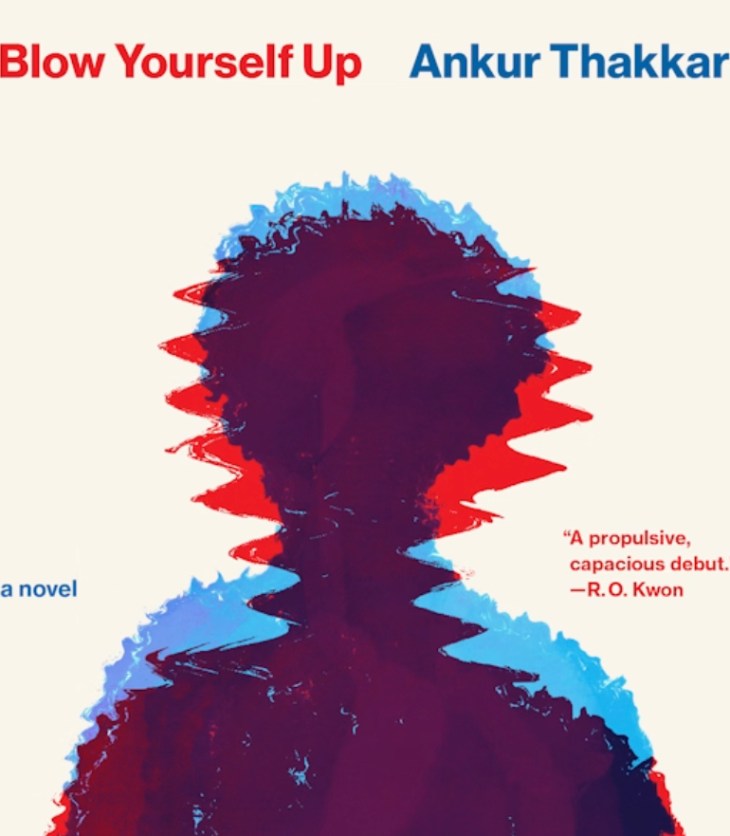

If politics and private equity hadn’t obliterated the beanbag optimism of tech’s twenty-teens, this satirical novel would have been more than capable of shattering our illusions. (review by Christian Trevor Lisa)

Deceptive but alluring blends of sound and song, traditional lullabies promise the deepest sense of intimacy alongside a chilling sense of dread. (review by Sara R. Burnett)
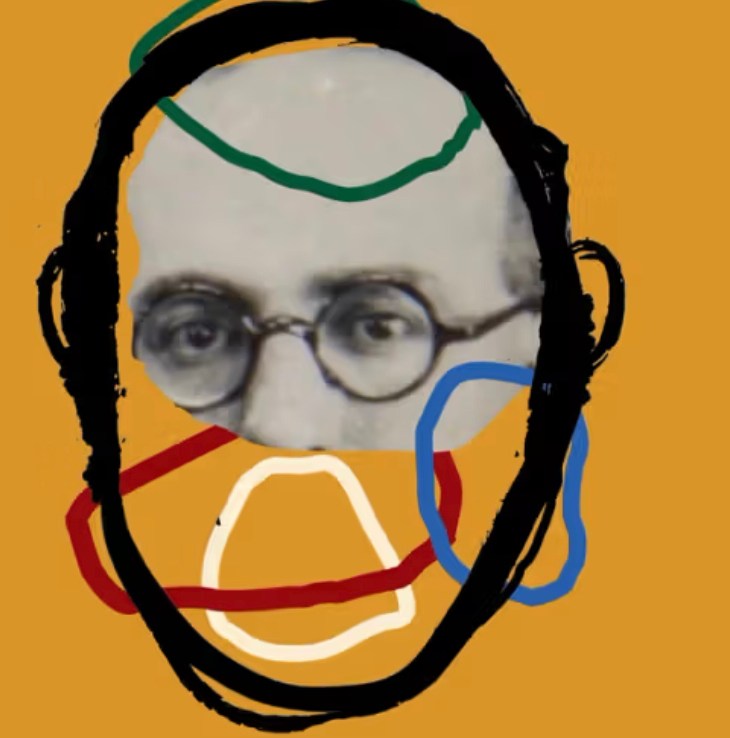
The poems themselves are a genuine treat to read, as well as the mysterious, half-finished biography lurking beneath…
(review by Matt Martinson)
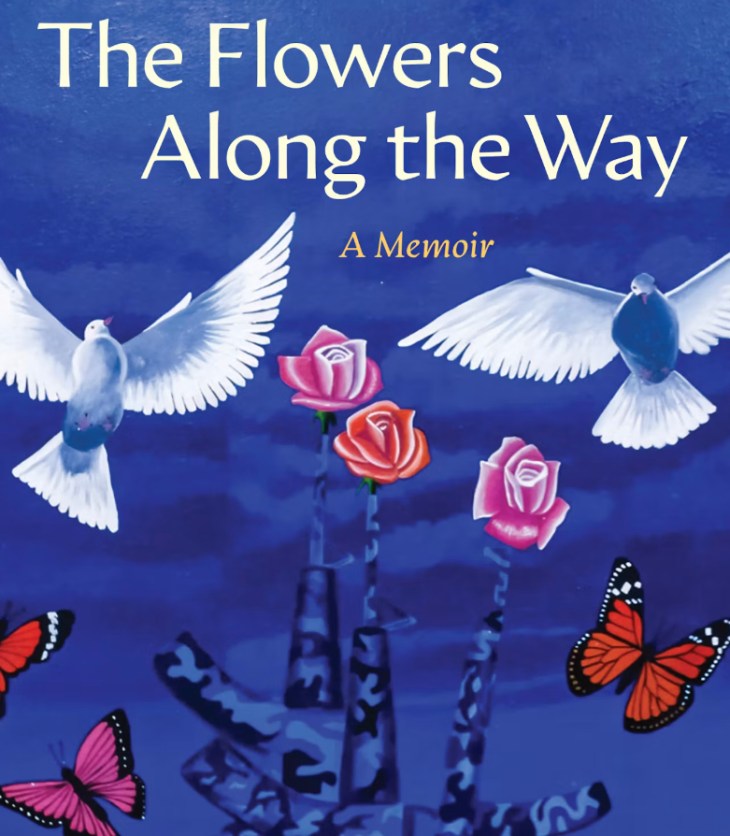
“The Flowers Along the Way testifies to the healing power of hope, showing how nurturing a garden, or a story, can generate something fresh and green out of loss.” (review by Liz Rios Hall)
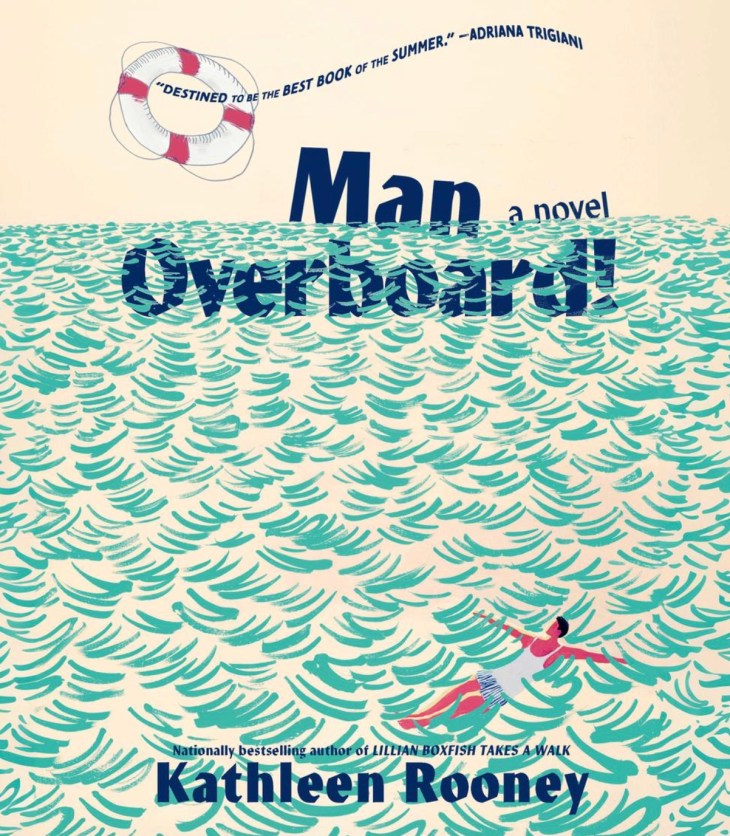
“It’s a lot more entertaining to hear a dolphin tell a manchild to ‘grow up’ than to hear the same advice coming from a psychiatrist.”
(review by Chloe Lutts Jensen)

An underreported story of the lived experience of children of political activists who embrace violence as a tool of resistance. (review by Karen Paley)
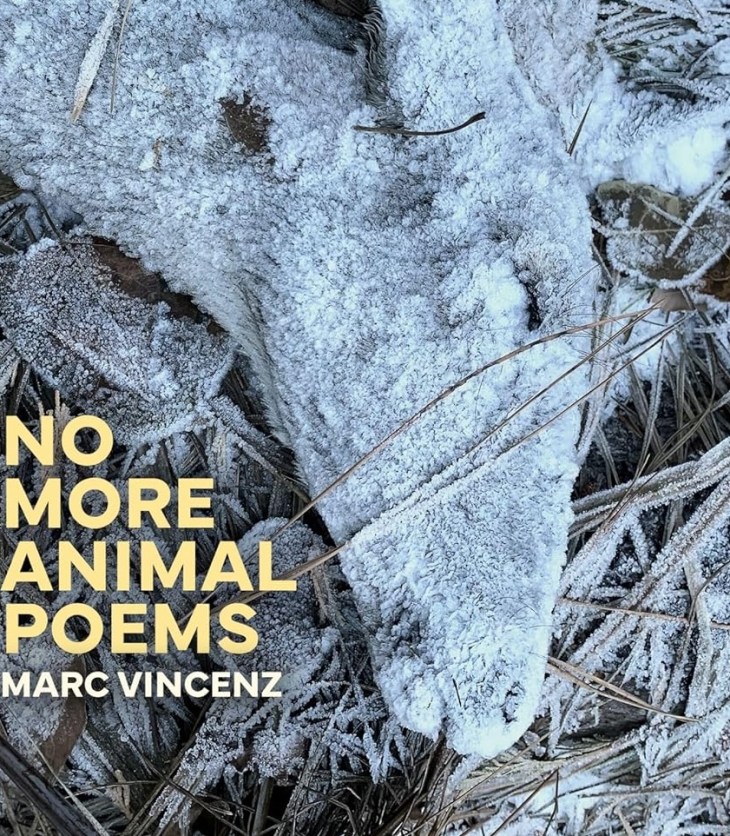
“No book, simply by being read, can affect such a transformation. Vincenz’s book does.”
(review by Raymond Barfield)
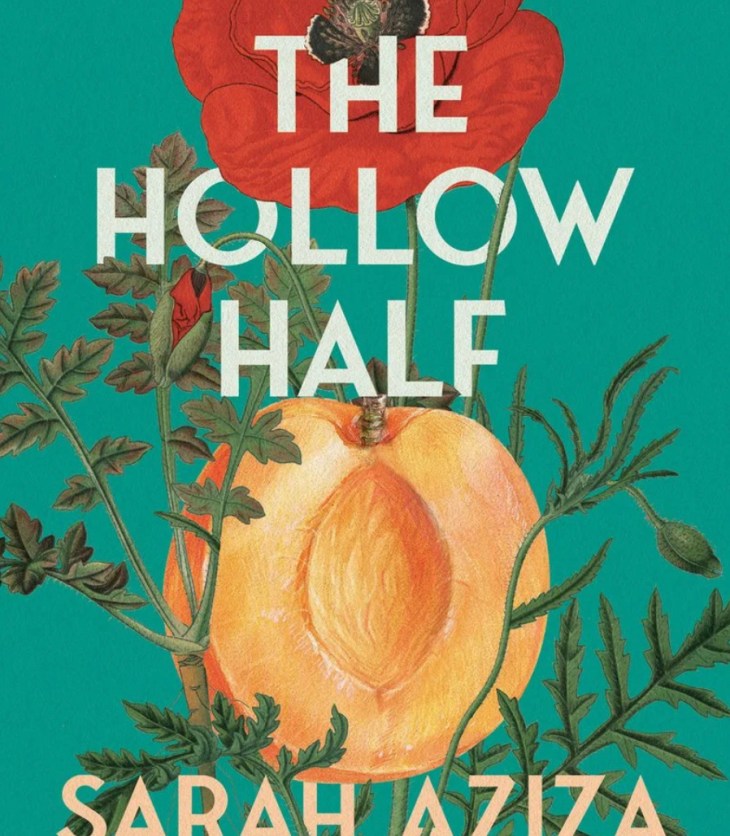
Despite what is written here, this memoir is not a political diatribe and it is not depressing. By relegating most of the political analysis and history, frequently derived from surprising direct quotes from people like Barack Obama, to footnotes and endnotes, Aziza skillfully preempts her well-crafted creative nonfiction from turning into political manifesto.
(reviews)

If the sonnet really is the first lyric architecture built for the silent reader’s own mind, then an anthology gathering six centuries of its practice is not a museum of formal pleasure. It is a history of consciousness under compression.
(reviews)
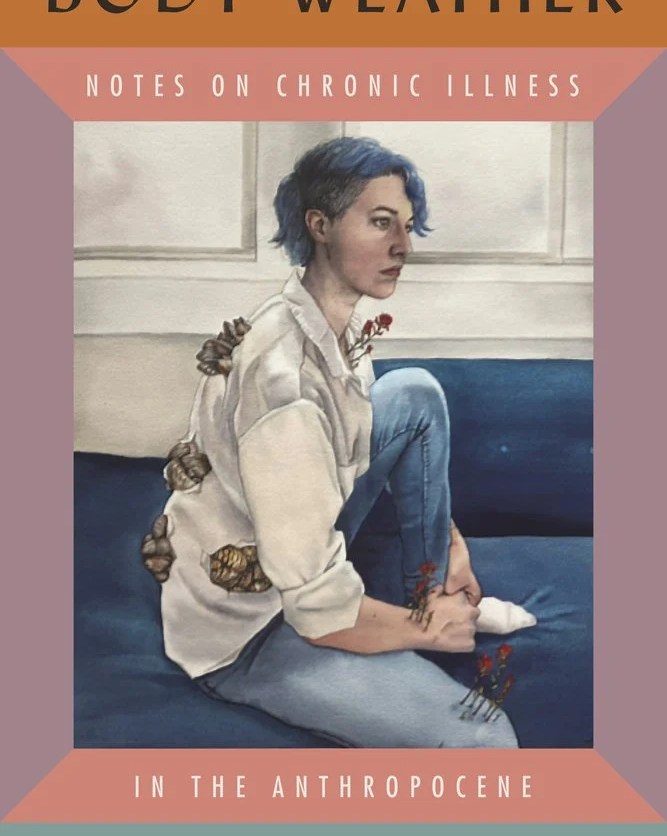
There are five sections to the book. One part is titled “Temperature – Thyroid – Denial” and another is “Landslides – Guts – Grief.” Within the sections, Boissoneault discusses the planet through multiple lenses: science, history, Greek mythology, linguistics, and even social
media. (reviews)

