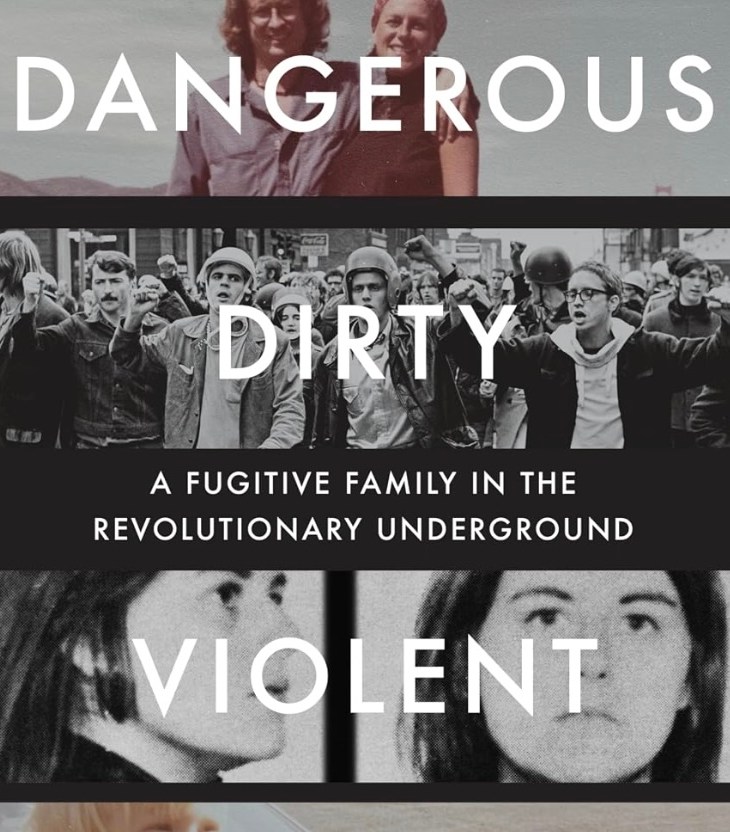
Daniel Rachel frames an argument about how spectacle can override ideology and historical awareness. In doing so, these examples endorsed showbiz over ideology, but what else is new? There has never been an entertainer who didn’t want to mesmerize.
(reviews)
Tag: books
My sister is going on a limitless journey
Those flying blue atoms above us
Penetrating our hearts exactly like darkness
(poetry)
this, the poem i cannot
return to
this, the wholehearted
downpour
(poetry)
it was a hundred thousand miles safely tucked away
had been years since its teeth had tasted the lock of his mouth
when they murdered him
it didn’t break no it vibrated
changed from key to tuning fork
death does that you know
(Palestinian Voices)
One morning I once tried to boycott mandatory COVID tests as a small gesture of resistance, but the first day I didn’t show up, I got a text message that same night warning me that there would be consequences. It didn’t say what the consequences would be.
(nonfiction)
His cheek, cool on asphalt, shining before he closed
his eyes: the pigeon’s neck, shimmering
(poetry)
Much more than a litany of tribulations, this book deconstructs the persona that Carrell and women going back to the beginning of Mormonism have been forced to create to endure its grinding mortifications. Unlike most of these women, Carrell extricates herself, but not without a lasting emotional trauma.
(reviews)
Just announced as a finalist for the Forward INDIES Book of the Year 2025, The Plan of Chicago marks Pearce’s foray into publishing a full collection of fiction under his own name—though he’s a ghostwriter by trade and has penned over twenty nonfiction books.
(reviews)
To read Södergran’s work today is to easily contextualize her voice within a feminist discourse, but it also defies being so neatly categorized. What makes her poems feel timeless is exactly their resistance to any niche delineation of time’s cultural productions.
(reviews)
The poems refuse to dramatize feeling when intimacy is already present, letting proximity, stillness, and ordinary action carry the weight. Moments of connection are often pared down rather than heightened. After intimacy is established through shared gestures—errand talk, side-by-side movement, unremarkable speech—“Greenlight” concludes simply: “Nothing much happened.
(reviews)
This identity transformation, and the inherent tensions of being a mother-writer, inform the poet’s search for a medium that can contain the impossibility of it all. Its pulsing, chimeric quality is reflected against, and through, the structure and constraints of poetry.
(reviews)
As an act of space-making, Dandelion is a forum for Bainbridge to let memories reverberate and echo across a “sprawling archive of emotions.” And speaking of archives (and archivists), as a stylist, Bainbridge’s writing deserves comparison with the rhythms and cadences of Carmen Maria Machado.
(reviews)
The speaker’s estrangement from her parents and her ancestral culture carries over to relationships with lovers and friends. The book contains moments of broad and icy humor, which reflect uneasily on her difficulty in forming intimate relationships.
(reviews)
The government, monet notes, will try to spin a different narrative—that of the domestic terrorist, the outside agitator, the paid protestor. That’s why it’s important to write and share, to maintain the presence and livelihood of resistance.
(reviews)
How does one write about the very things that defy language—things like loss, sorrow, not to mention potential words from the past that went unsaid? How does one convey language-defiant notions through language? For Heller, such linguistically impossible truths are conveyed with metaphor and story, but also with silences, approximations, and fragments.
(reviews)
If we look more closely, we see the doll’s skin marked by chips in the paint—traces of violence that our girl has survived—her searing blue eyes defiantly looking toward the sky, or at least something higher than where she is now.
(reviews)
The book’s title is derived from the story “Stormchasers,” in which a couple that moved cities constantly compares the two places while trying to establish a routine. They admit to having “hurricane envy” as they realize that a coming storm won’t really impact them, despite their preparations.
(reviews)
One of the famous Iranian rug patterns is the Tree of Life, in which the tree is often located on the vertical symmetry line of the carpet. The tree symbolizes the connection of earthly beings to the heavens.
(poetry)
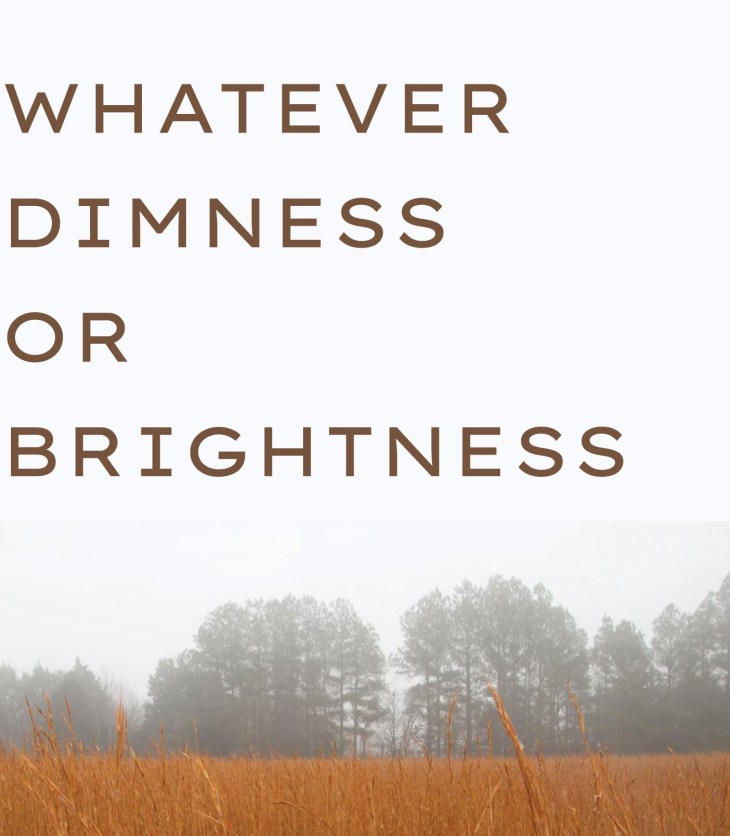
In both concept and practice, we ask a great deal of the field, making it an adaptable metaphor in poetry and art: the open field, the blank page, the blank canvas. The field suggests potential, something unspoiled and limitless where growth is inevitable.
(reviews)
The poems conjure historical and essential artifacts, from “Before Refrigeration” to “Beckoning DigiSex,” and people, too, such as Darwin walking on mountains above the sea, and the poet’s grandmother, whose life “began in Kitty Hawk / and ended in Sputnik.” The tone includes not a simper of lachrymosity for some mythic, ideal time. “The poems included here,” Goldbarth’s introduction continues, “are meant to elegize.”
(reviews)
The title comes from Margaret Atwood’s poem “You Fit Into Me,” a borrowed line that helps Gaudry translate her own feelings. The phrase “fit into me” can act as both a plea and a demand, asking us to place ourselves inside the characters—but borrowed language can also act like a mirror, reflecting our own experiences back at us rather than revealing hers.
(reviews)
Anesthesia for the moment. Anesthesia for the pain. The anesthesiologist’s line: “Don’t worry, you won’t remember this when you wake up,” is precisely what worried me. I didn’t remember. What else had I missed?
(nonfiction)
“I think that the beauty of Blackness and Black people is that we code-switch all the time. We just know how to talk depending on where we are and to whom we’re speaking, so I don’t think about it too much when I’m writing, but I do think about who’s going to be on the inside of the stories and who’s going to be on the outside,” Amina Gautier tells ACM.
By seventh grade students often work with percentages, fractions, probability and proportional relationships. Math looks different at our Long Covid house. We practice for survival, not standardized testing. What percentage of a medication is metabolized by the liver? By the kidneys? What fraction of the pediatric population gets well?
(nonfiction)
As the title suggests, this is a book about vantage and perception. In several poems, the speaker takes an empathetic approach, trying to see the world through the eyes of her neurodivergent son. Elsewhere, she poses the question: “How can I teach my child to live through and/or in violence, without becoming violent themselves?”
(reviews)
The often pitch-perfect language captures the absurdity of the way we live now and renders it hilarious: “I fought a monster and defeated it. I did that. But what do you do with that? It’s not something I can post about on Facebook. I mean, my mom would see that.”
(reviews)
The way I’d savor, lovesick, a stricken voice preserved on tape as if in amber. The way I banked those messages. Playing them over and again as proof that once, I had made him care. Echo of skin and moisture and shine and shame. Power diminishing with repetition.
(nonfiction)
The collection’s opening salvo asserts this tension in a whiplash, maximalist mad dash. Stories steer their readership past one visceral image after another: burnt oil engines, boiled feet, metallic screams, and fast food mutilations.
(reviews)
The book takes a historical view of global conflicts — namely World War II and the Cold War — and Lamantia’s reactions against the imperial war machine, both in the United States and within globalized systems, emerge as a precursor to the apocalyptic themes often present in Western poetry.
(reviews)
When my father measured women in percentages, I learned to chart myself like livestock—head, pelvis, torso. Yet the red horse leaned his warmth into me, the chickadees sang, and the body refused to stay math. Years later, back home, I discover what love weighs when you stop counting.
(fiction)