this, the poem i cannot
return to
this, the wholehearted
downpour
(poetry)

this, the poem i cannot
return to
this, the wholehearted
downpour
(poetry)

I don’t know how to hold onto the warmth of the image of Ray picking up the kids, dappled in sunlight, with the statistics of suicide that run through my mind as I think about Lizzie.
(nonfiction)
it was a hundred thousand miles safely tucked away
had been years since its teeth had tasted the lock of his mouth
when they murdered him
it didn’t break no it vibrated
changed from key to tuning fork
death does that you know
(Palestinian Voices)
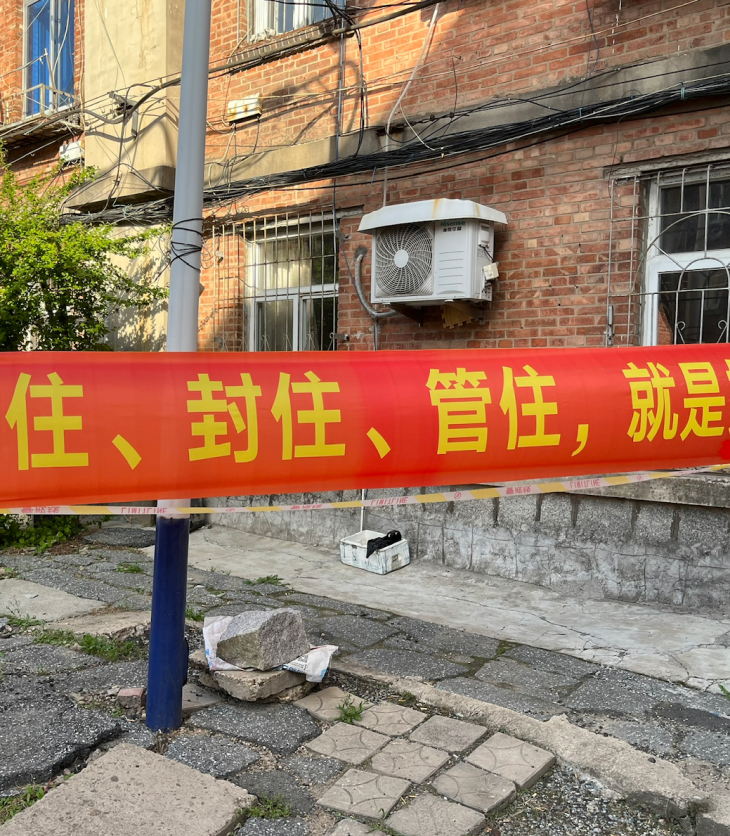
One morning I once tried to boycott mandatory COVID tests as a small gesture of resistance, but the first day I didn’t show up, I got a text message that same night warning me that there would be consequences. It didn’t say what the consequences would be.
(nonfiction)
His cheek, cool on asphalt, shining before he closed
his eyes: the pigeon’s neck, shimmering
(poetry)
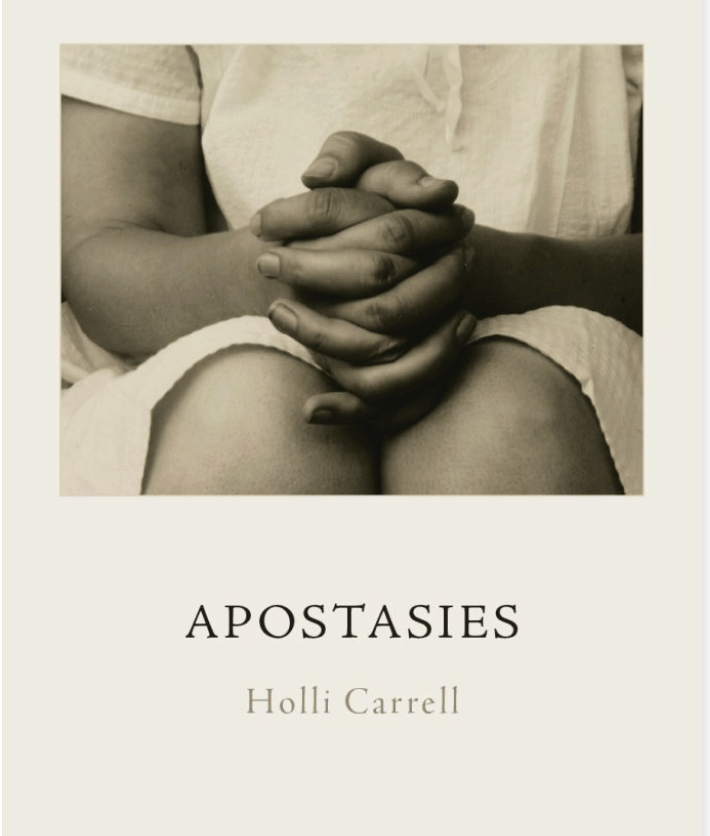
Much more than a litany of tribulations, this book deconstructs the persona that Carrell and women going back to the beginning of Mormonism have been forced to create to endure its grinding mortifications. Unlike most of these women, Carrell extricates herself, but not without a lasting emotional trauma.
(reviews)
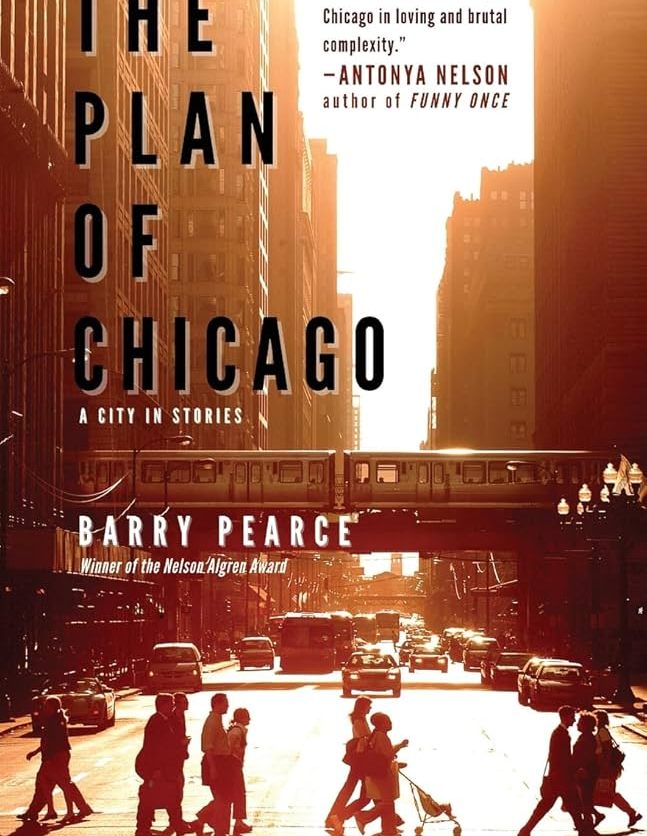
Just announced as a finalist for the Forward INDIES Book of the Year 2025, The Plan of Chicago marks Pearce’s foray into publishing a full collection of fiction under his own name—though he’s a ghostwriter by trade and has penned over twenty nonfiction books.
(reviews)
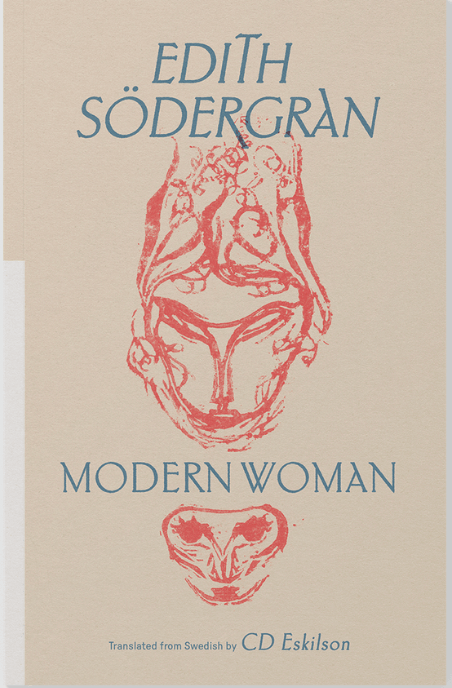
To read Södergran’s work today is to easily contextualize her voice within a feminist discourse, but it also defies being so neatly categorized. What makes her poems feel timeless is exactly their resistance to any niche delineation of time’s cultural productions.
(reviews)
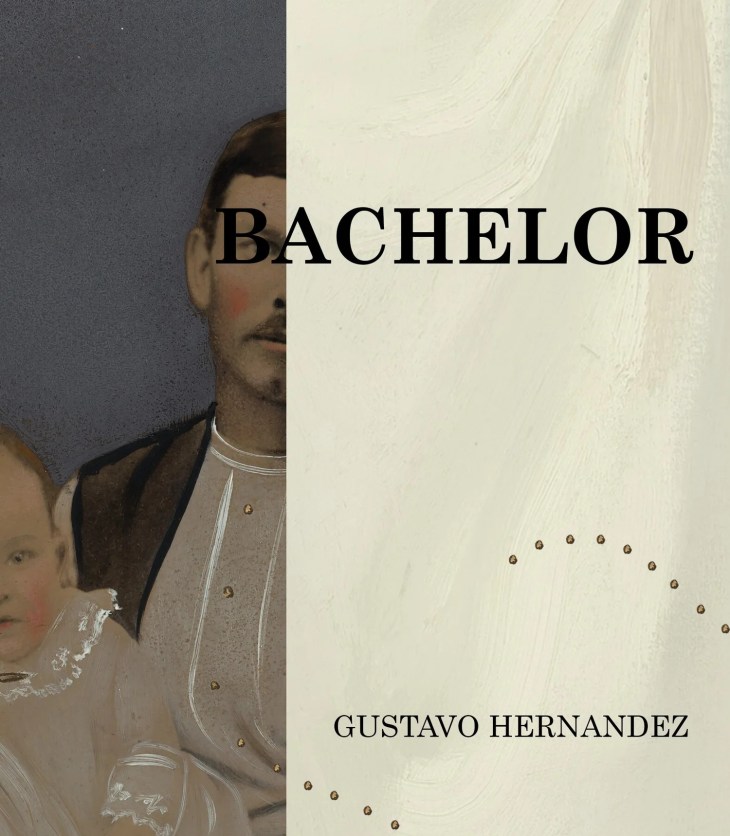
The poems refuse to dramatize feeling when intimacy is already present, letting proximity, stillness, and ordinary action carry the weight. Moments of connection are often pared down rather than heightened. After intimacy is established through shared gestures—errand talk, side-by-side movement, unremarkable speech—“Greenlight” concludes simply: “Nothing much happened.
(reviews)
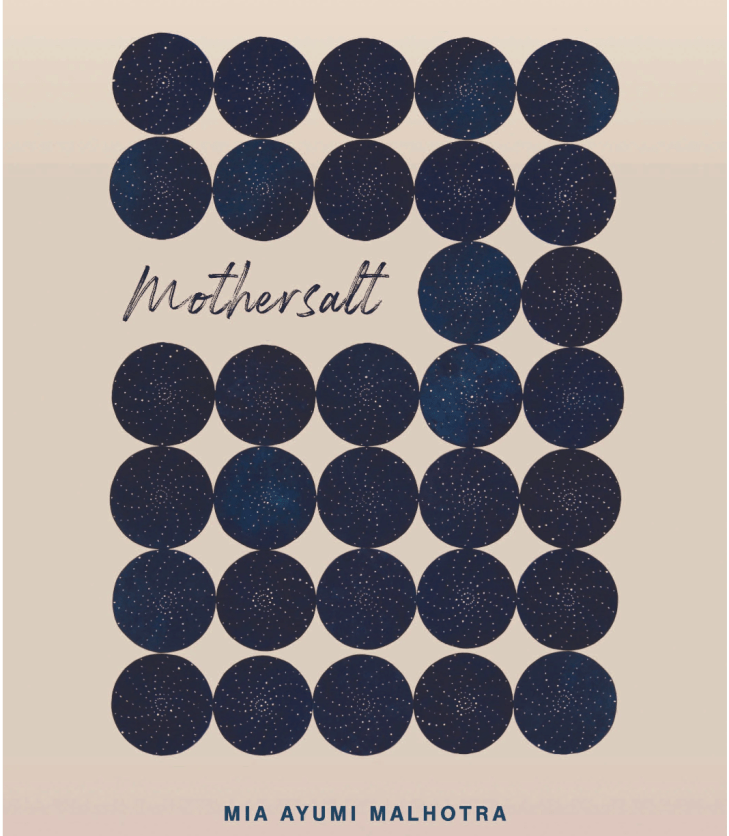
This identity transformation, and the inherent tensions of being a mother-writer, inform the poet’s search for a medium that can contain the impossibility of it all. Its pulsing, chimeric quality is reflected against, and through, the structure and constraints of poetry.
(reviews)

