Mule Boy unfolds as a single, sustained utterance—a life in one long sentence—and in doing so invites the reader into an intimacy that feels both confessional and liturgical.
(reviews)


Mule Boy unfolds as a single, sustained utterance—a life in one long sentence—and in doing so invites the reader into an intimacy that feels both confessional and liturgical.
(reviews)

Remains, remnants, in print only, a death mask; just as dead
But in another place. Taxons without Lazarus. Facts
Some data has confirmed. You, among the dead,
(poetry)
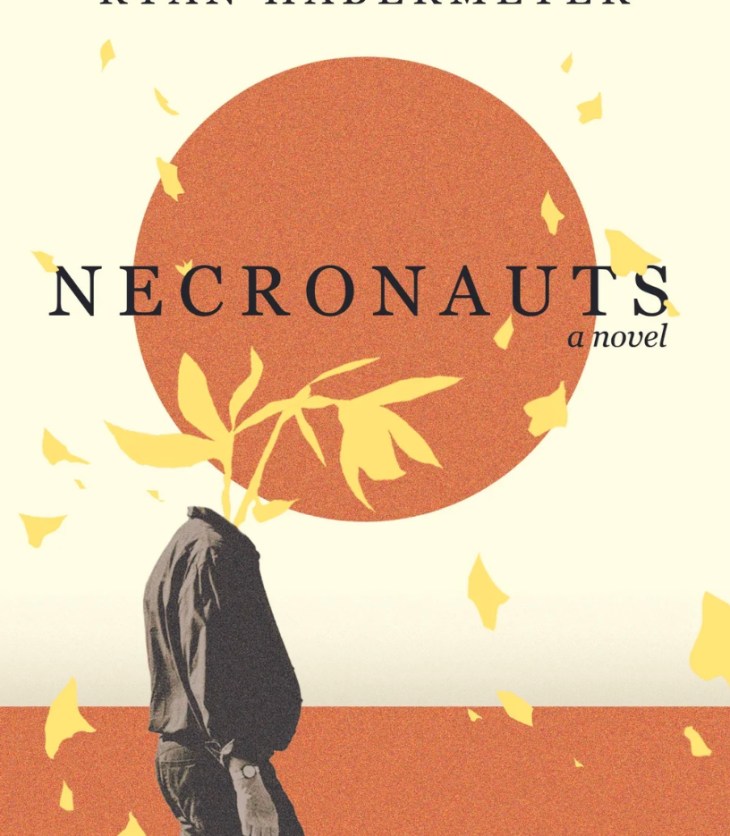
Calypsee is the fictional setting of Ryan Habermeyer’s novel, Necronauts. Told through a series of ninety-five obituaries, Necronauts explores what it means to live in a religious community that seems to quell hope and how those outside that faith can still find something to sustain them.
(reviews)

But every so often it goes berserk
And slips away from all control
It injects all sorts of liquids, starts to speak in tongues
And becomes infected with French syphilis or English rickets
Disrupting discotheques or buses filled with children
It dreams of ascension into heaven
(poetry/translations)
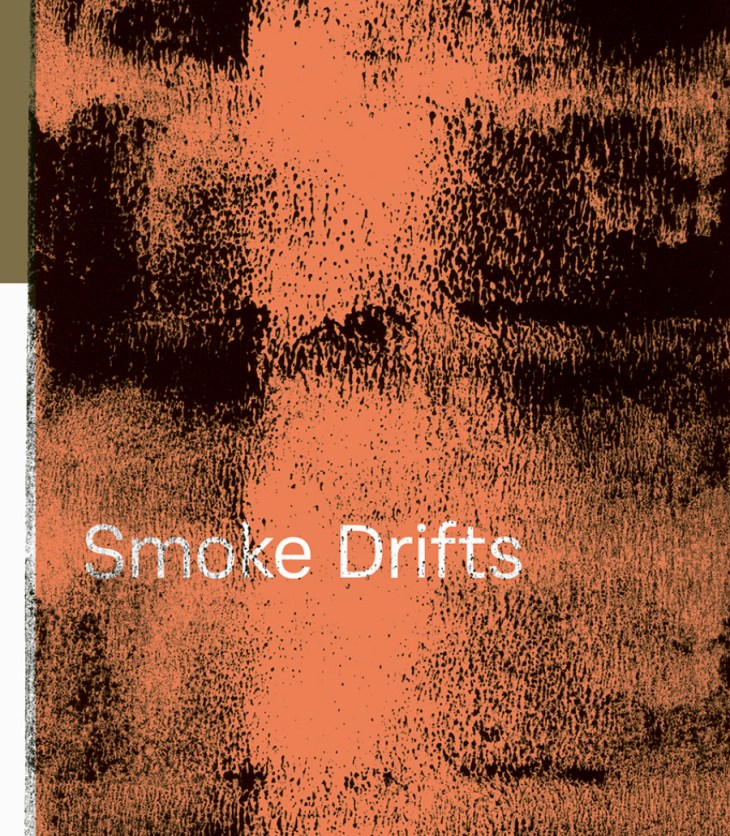
Smoke Drifts contains both free verse and poems that follow a formal architecture, including several of Anjuman’s ghazals, a centuries-old tradition that Uzbek writer Hamid Ismailov describes as “a universal poetic form,” like the European sonnet, found in literary cultures from Turkey to India.
(reviews)
Newspapers make the best
umbrellas, the rain erases
them. Fascinating philosophies
in my head-hunch over litter,
digging for shit
when there is already so much
on the surface.
(poetry)
but how do you explain a marathon
to those who’ve never run it?
(poetry/translations)

Ahmed carefully layers Nigerian cultural practices into the poem’s emotional architecture. “Where I come from, silence is how you mourn a man without gray hairs”—the line invokes a northern Nigerian Muslim sensibility. It also hints at the Nigerian pattern of losing young men to violence, religious conflict, insurgency, and conscription.
(reviews)
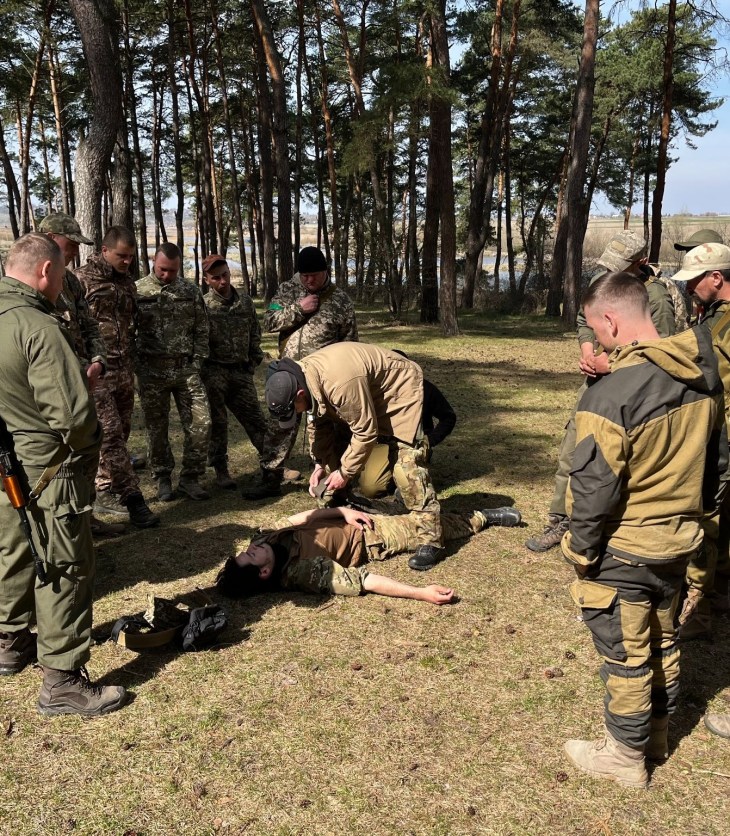
We seven spent most of our days preparing ourselves for the war that we were sure we would soon see. Broomsticks became rifles and stones became grenades and we practiced clearing rooms of imagined enemies in the sanatorium.
(nonfiction/Ukraine)
My first uprooting took place in 1998. It was autumn in Jamaica, and putting those words together in a sentence feels as strange as I felt when I lived there. When I was six years old, my parents pulled my younger brother and me from the suburban township of Maplewood, New Jersey and relocated us to the coastal city of Kingston, Jamaica.
(nonfiction)

