
Last week, we had a grammar unit on expressing desires and regrets. I wish, we hope, if only.
(nonfiction)
Last week, we had a grammar unit on expressing desires and regrets. I wish, we hope, if only.
(nonfiction)
I count the bodies and try to make sense of the math: 144,926 is not a lucky number.
(nonfiction)

How many pictures? How much? How long?
(nonfiction)
It takes our breath away, virus or not. And nobody knows how to make the virus go away. And nobody knows when it’s leaving, or what it will look like tomorrow.
(The Loop)
We had to wear N95 masks for days on end because the air was so polluted.
(nonfiction)
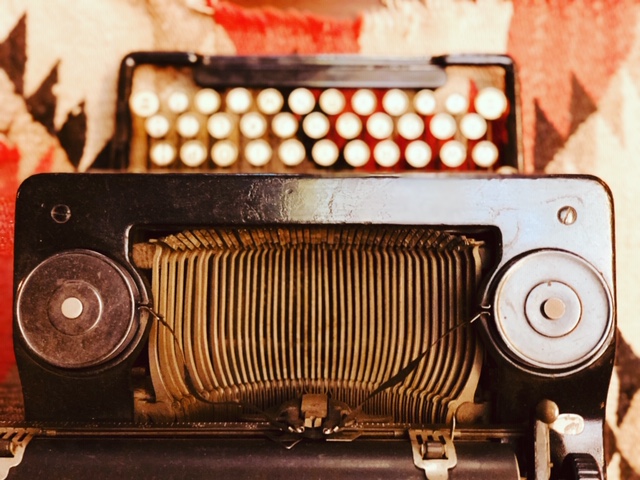
I have proof that the days are there, one after the other
(nonfiction)
I know how strangers react to a black woman walking a pit bull in a nice neighborhood.
(nonfiction)


Reviewer Mike Puican writes, “‘neckbone’ is a wild, go-anywhere ride that welcomes all readers, black and non-black, to climb in, buckle up, and hang on tight.”
(review)
“As long as I come see the mountains, I’m okay,” was the idea their poetry expressed.
(nonfiction)
Perhaps my biggest secret is that I have a doppelgänger.
(nonfiction)
Laboratory testing for viral diseases would not be available for another fifty years.
(nonfiction)
It’s become a delicate balance, this being open to joy while not in denial of the harsh reality of the magnitude of fear and suffering and death.
(nonfiction)
Why are they sitting next to one another enjoying warm, frothy cups of cappuccino?
(nonfiction)
Did I know them? No.
(nonfiction)

One of my students asked, “Is that your cat sleeping up there?”
(nonfiction)
I sighed, expecting a request to extend a deadline.
(nonfiction)
I drift through the Breakout Rooms like a digital ghost . . .
(nonfiction)

Reviewer Carol Haggas writes, “Meno has written a definitive and unnerving account of the myriad risks and meager rewards of seeking asylum.”
(review)
Unwrap four bundles of dry vermicelli. / Let their white locks dissolve
(nonfiction)
The abandoned garden cannot be reclaimed in a day.
(nonfiction)
In all the discussions I have been a part of over the last month, prisoners are a population that hasn’t been discussed.
(nonfiction)
The best part is, they never complained.
(nonfiction)
We’ll sleep on it before we make our final decision.
(nonfiction)
My boyfriend drank a Corona from the box in the fridge. We had bought two twelve packs back in January because it’s his favorite beer.
(nonfiction)
I tell my kids not to touch anything or anyone in the office and, immediately, my daughter touches the statue of the children, the fish tank, and is one inch away from a little girl with a mask on.
(nonfiction)

You notice she doesn’t have her usual mom smell; she smells like orange trees and flower fields.
(fiction)

Reviewer William Demaree writes: “These are not the typical ‘well-made’ short stories; teachers would have a bitch of a time using them to illustrate that old ‘exposition-rising action-climax-denouement’ paradigm.”
(review)
I never ever sent my kids to school hungry although they were a bit late sometimes.
(nonfiction)
 Another Chicago Magazine