Lamb’s ears plucked where
the stairs are, prairie
grass, steeple here, and
dandelion bends,
(poetry)

Lamb’s ears plucked where
the stairs are, prairie
grass, steeple here, and
dandelion bends,
(poetry)

Angela was wearing her dress with the lowest neckline, which also luckily had pockets so she could keep her phone on and hidden and I could hear what was happening. That’s important—dresses having pockets. To women, I mean. That’s the kind of healthy relationship Angela and I have. I pay attention to which dresses have pockets.
(fiction)
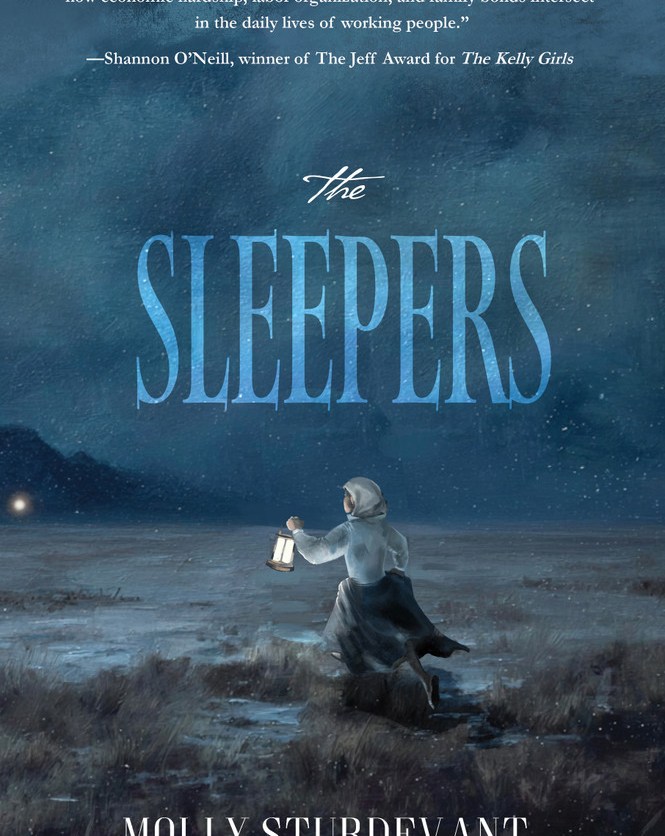
The latest in our FORTHCOMING series of excerpts from new and recent books:
The mirror on the wall was a tall oval, and her head was not. She got closer. Her nostrils dotted the center. She tried a smile, as she had seen ladies do. No good. There was nothing looking back from the glass but the round head of her, the hair plain and dark.
(fiction)
I give her kisses, I wrap her up in my arms, and she relaxes a bit. I tell her how her hair falls just like mine. I know what it needs, I have spent years learning what it needs. I have spent each waking moment learning how to nourish her. Must I spend a lifetime proving that I can?
(fiction)

How long is a piece of string when all we’ve got is scissors?
(poetry)

Mule Boy unfolds as a single, sustained utterance—a life in one long sentence—and in doing so invites the reader into an intimacy that feels both confessional and liturgical.
(reviews)
Remains, remnants, in print only, a death mask; just as dead
But in another place. Taxons without Lazarus. Facts
Some data has confirmed. You, among the dead,
(poetry)
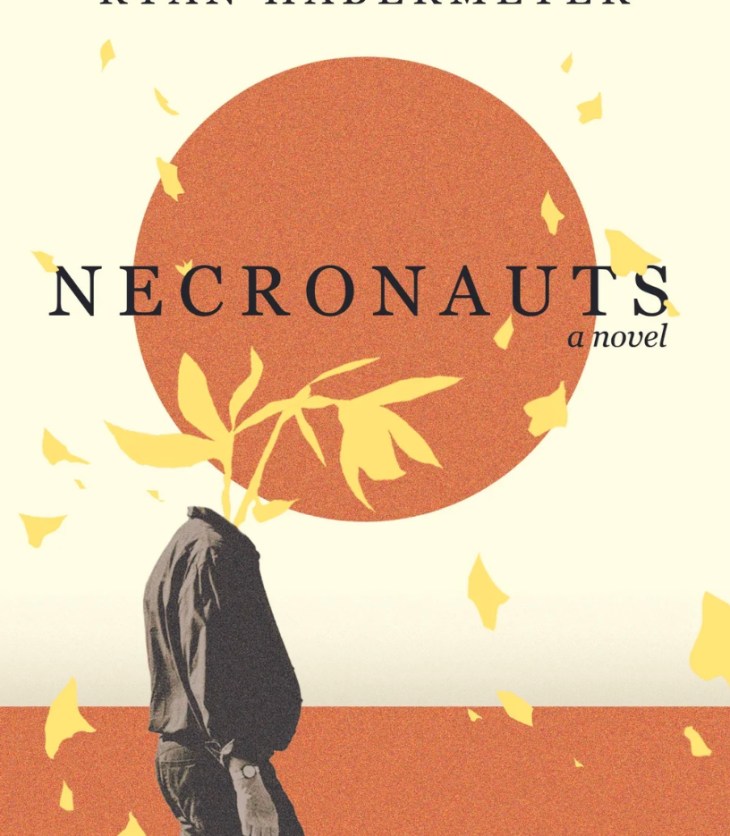
Calypsee is the fictional setting of Ryan Habermeyer’s novel, Necronauts. Told through a series of ninety-five obituaries, Necronauts explores what it means to live in a religious community that seems to quell hope and how those outside that faith can still find something to sustain them.
(reviews)
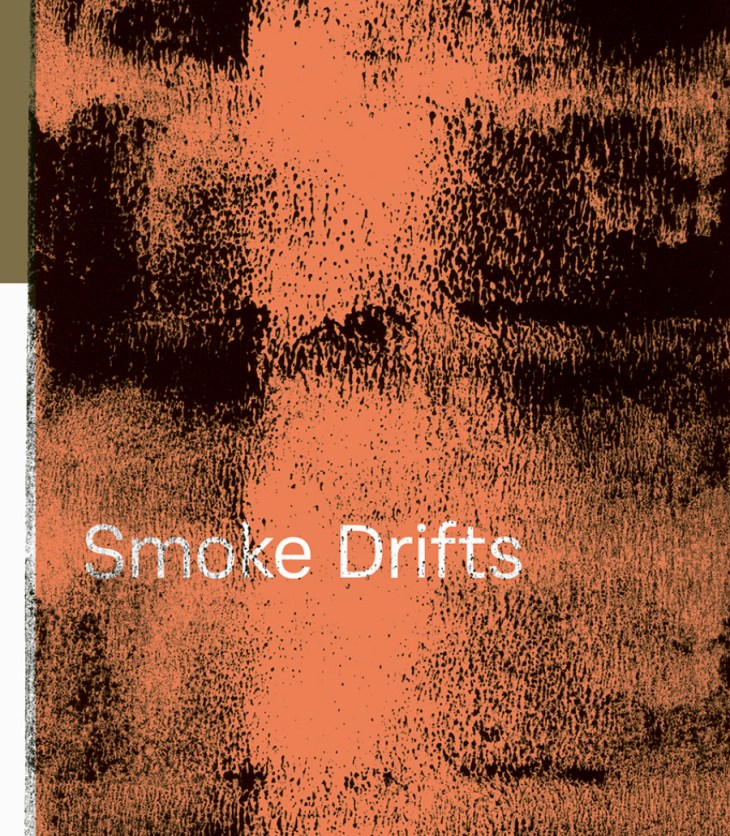
Smoke Drifts contains both free verse and poems that follow a formal architecture, including several of Anjuman’s ghazals, a centuries-old tradition that Uzbek writer Hamid Ismailov describes as “a universal poetic form,” like the European sonnet, found in literary cultures from Turkey to India.
(reviews)
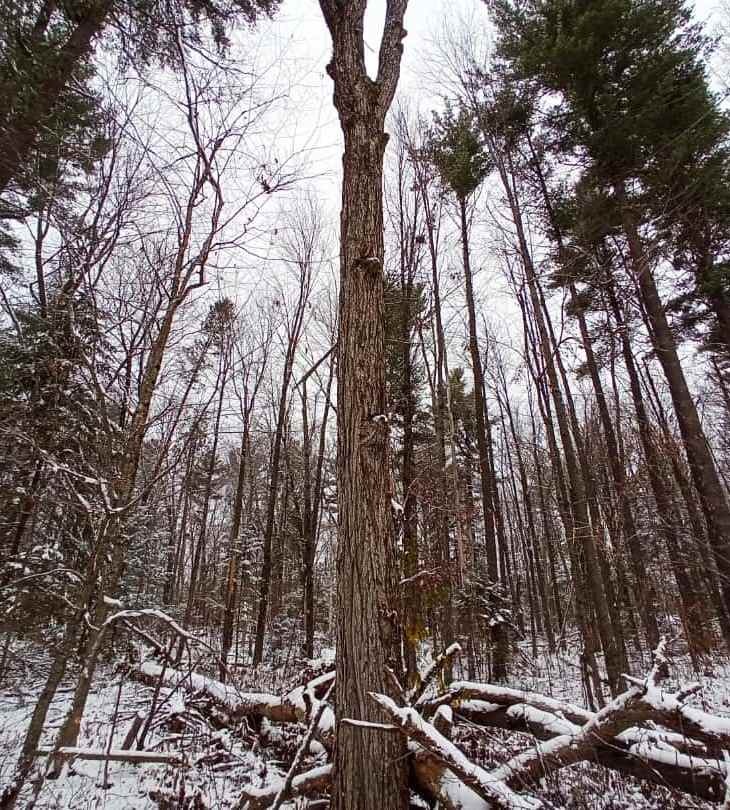
Newspapers make the best
umbrellas, the rain erases
them. Fascinating philosophies
in my head-hunch over litter,
digging for shit
when there is already so much
on the surface.
(poetry)

