
“Roberts has described her work as “vignettes of meaningless experiences,” but this meandering, nonlinear work feels honest in its making mountains out of molehills” write reviewers Nora Hickey and Amaris Feland Ketcham.
(graphic nonfiction review)

“Roberts has described her work as “vignettes of meaningless experiences,” but this meandering, nonlinear work feels honest in its making mountains out of molehills” write reviewers Nora Hickey and Amaris Feland Ketcham.
(graphic nonfiction review)
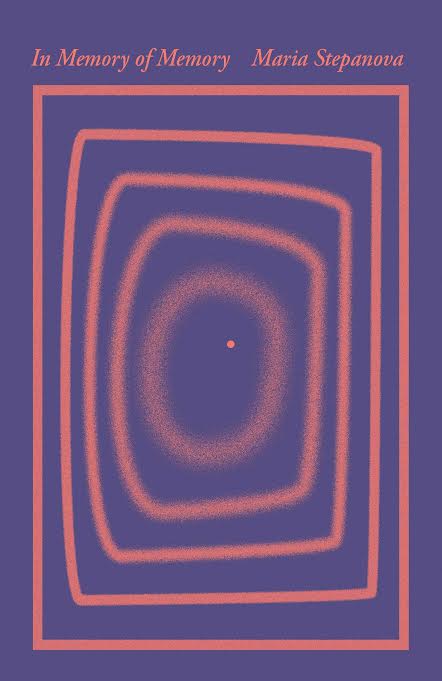
“In Stepanova’s voyage there is life and death, silence and narrative, memory and oblivion” writes reviewer Marek Makowski.
(fiction review)

“Hosking writes about her father,” says reviewer Catherine Faurot, “but his presence is felt more as a fading afterimage, a hole in the film burning incandescently.”
(poetry review)

“Ghost poems of a haunted landscape, told in almost hypnotic lyricism, somehow bleed seamlessly into haunted writers and artists suffering in landscapes far from the West,” writes Sadie Hoagland.
(poetry reviews)
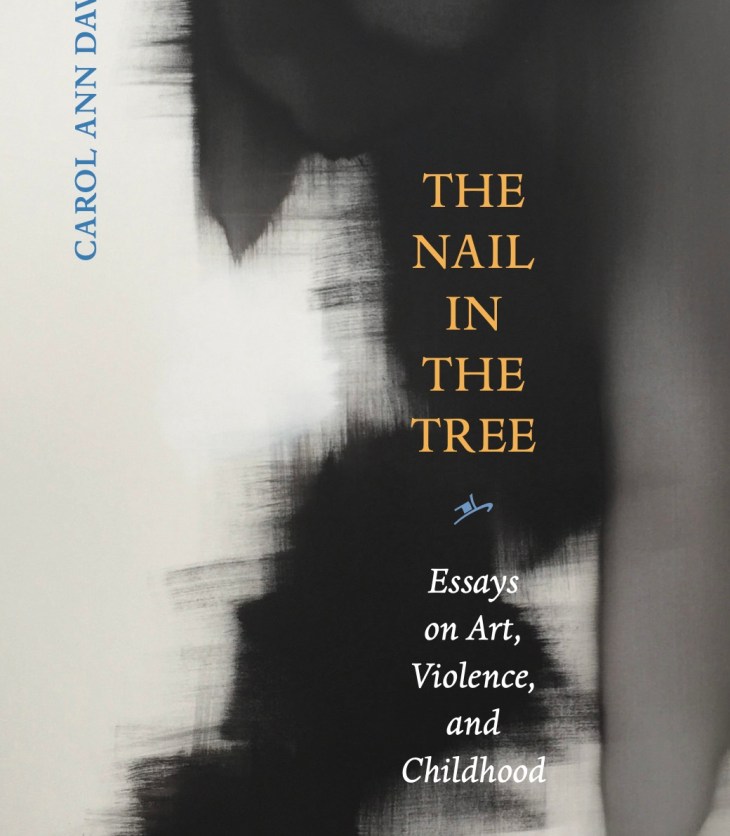
“Carol Ann Davis makes us ache in these essays and lets the quiet moments explode within our hearts,” writes reviewer S.T. Brant.
(nonfiction reviews)

“The great achievement of Cracked Piano is that its poems present psychological pictures of a person in loneliness,” writes reviewer John Zheng. (poetry reviews)
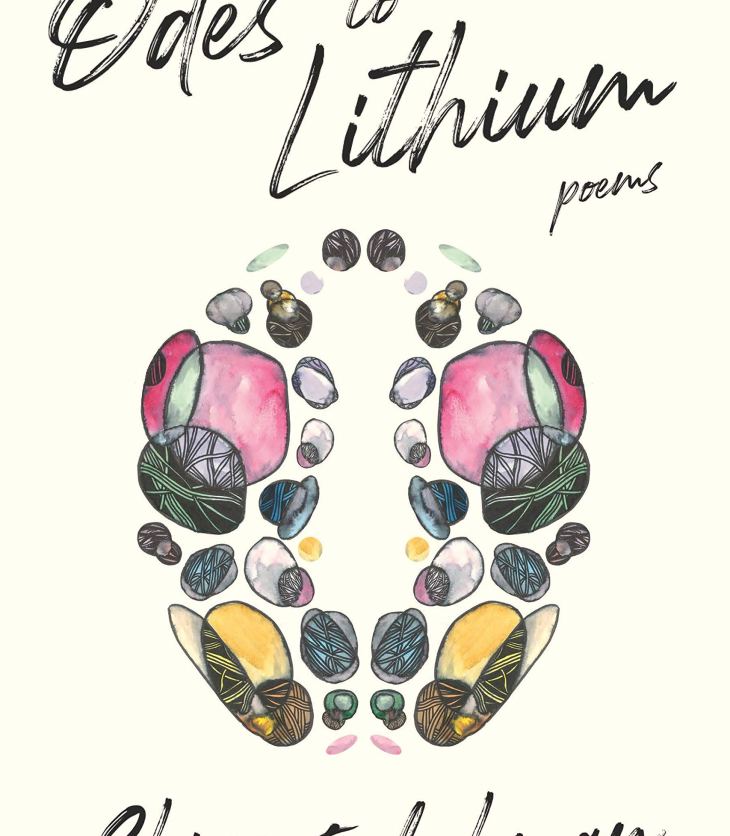
“Mental illness is not trivial, not something that should be easy to write or read or talk about, and it’s important that she included elements . . . that might come off as excessive or overwhelming,” writes reviewer Hannah Page.
(poetry review)

“The poet’s love-hate relationship with her laptop becomes fully realized in ‘Off the Web,’ as too much time on the internet leads to feeling ‘my dress / gather headwinds and swirl, then lift
like / Marilyn’s over a grate,'” writes Richard Holinger.
(review)

“Faris’s book warns Republicans of their party’s coming apocalypse, but I think the Democratic Party should take note too,” writes Nick Rueth.
(reviews)

“Geter’s lines don’t so much hum as slice, visually cutting into the page like claws digging for answers in a ground that will not give,” writes reviewer Phillip B. Williams.
(review)

“People are not who they once were but actors in the great drama of life, informed by what they have seen on the screen,” writes Peter Valente.
(review)

“How and where women and minority groups get the shaft is only half of the lesson this book imparts,” writes Bean Gilsdorf.
(review)
“Every book, like every child, stems from multiple ancestral lines. Fruitful books sprout new lines, branching into new familial territories,” writes Amy Hassinger.
(review)
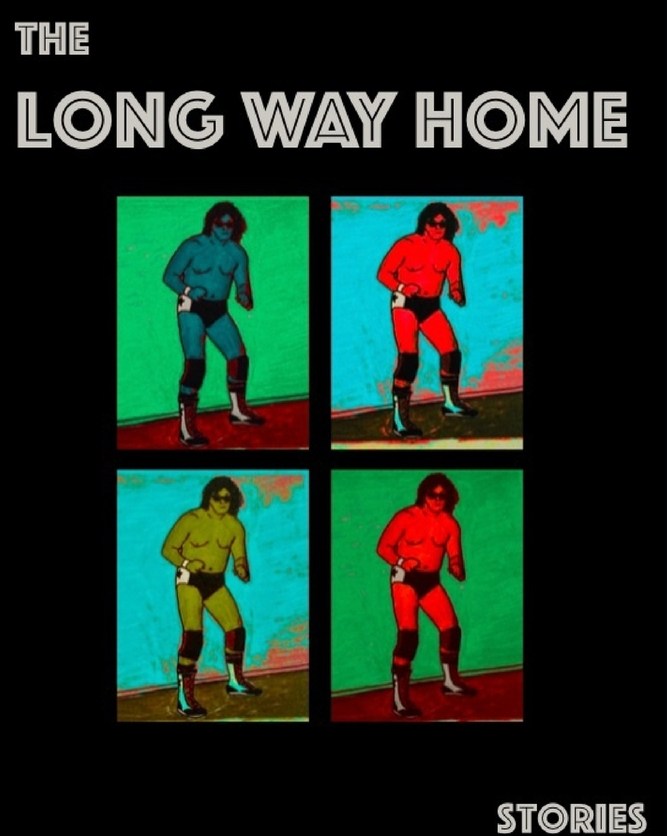
Reviewer Matt Meade writes, “These sixty or so mean little tales come across as dispatches from some strange world, as if Grimms’ fairy tales all took place in a moldy locker room.”
(review)

“I loved this book immensely,” writes reviewer Alina Stefanescu. “I have nothing to compare it to outside that love.”
(review)
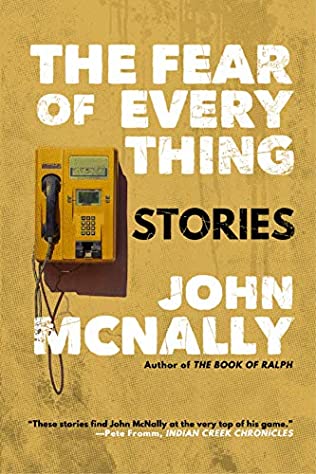
“John McNally’s new story collection has reenergized me as a reader and a writer,” writes reviewer Glenn Deutsch, “and I fully expect it will exert those powers on you.”
(review)

“‘Desire and Dust’ is an incredible collection of work,” writes reviewer Mike Corrao, “seamlessly blending distinct mediums into one cohesive tome.”
(review)

“The nationalist is mired,” writes reviewer David Kirby. “But the patriot is in motion, which may explain why Marcus’s prose tears along at a breakneck pace and then collapses in exhaustion.”
(review)

“‘The Deep,'” writes reviewer D.M. Kiely, is “a harrowing fantasy epic of hate and war, and a gentle, nervous love story.”
(review)

Reviewer Mike Puican writes, “‘neckbone’ is a wild, go-anywhere ride that welcomes all readers, black and non-black, to climb in, buckle up, and hang on tight.”
(review)

Reviewer Carol Haggas writes, “Meno has written a definitive and unnerving account of the myriad risks and meager rewards of seeking asylum.”
(review)

Reviewer William Demaree writes: “These are not the typical ‘well-made’ short stories; teachers would have a bitch of a time using them to illustrate that old ‘exposition-rising action-climax-denouement’ paradigm.”
(review)
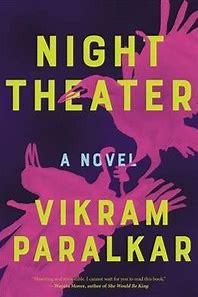
“The process of reading the book took longer than usual for a variety of reasons, least of all a natural disaster and a pandemic,” writes reviewer Loie Rawding. “But I found myself returning each night to read a few pages and sink into a warm, if unsettling, darkness.”
(review)

“There is immense value in Ripatrazone’s book regardless of your faith,” writes reviewer S.T. Brant.
(review)
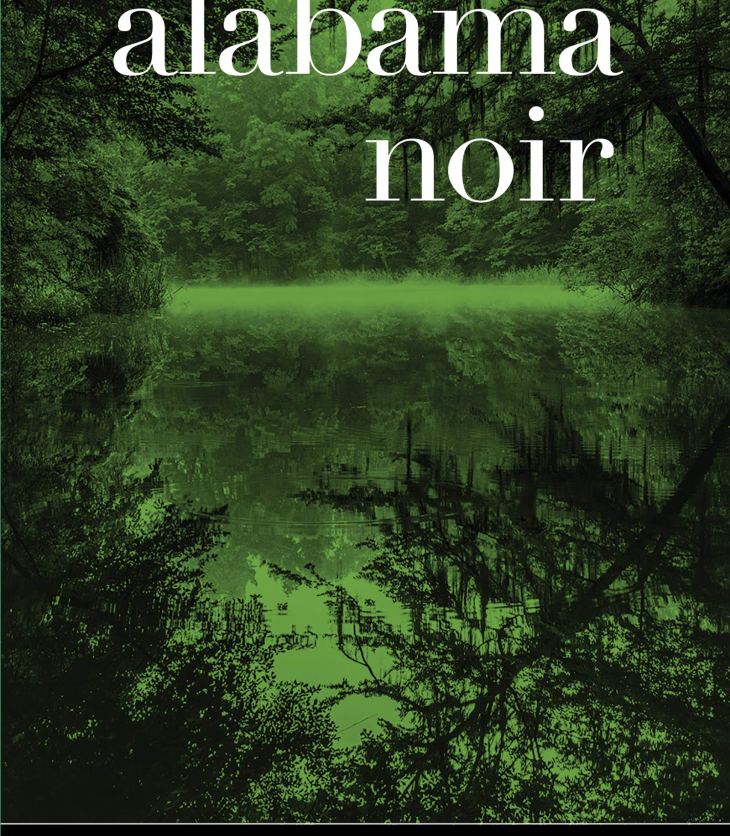
“Noir fiction is still responding to The Maltese Falcon,” writes reviewer Matt Meade, “still trying to figure out how to formulate that strange alchemy of crime, post-war malaise, sensitive street tough, and existential dread.”
(review)
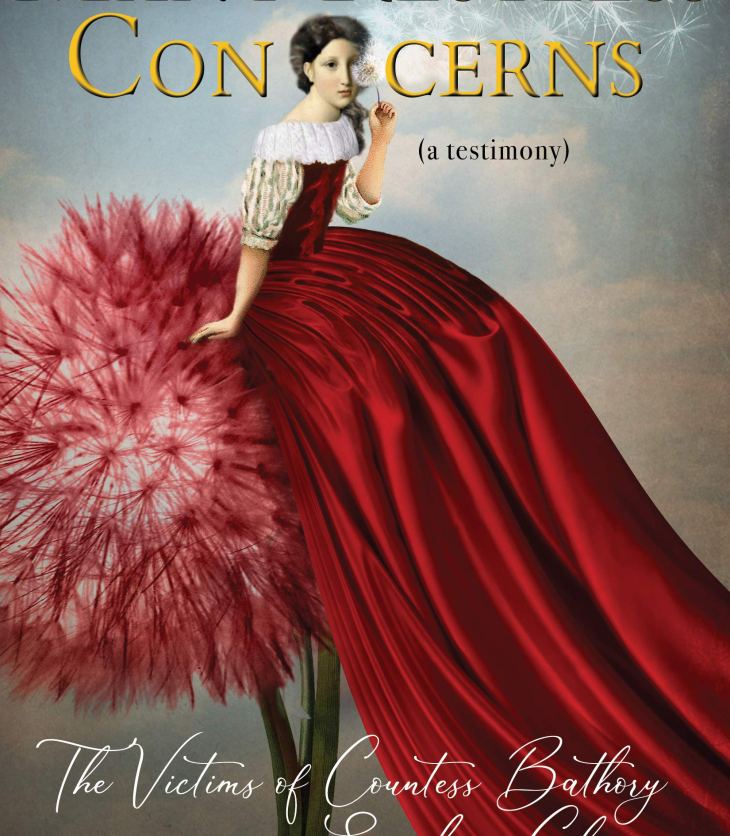
“For a book that is in many ways a ghost story,” reviewer Jesi Buell writes, “Brandeis removes the magical, fabled elements and makes the reader focus on the real-life consequences of violence committed against girls’ bodies.”
(review)
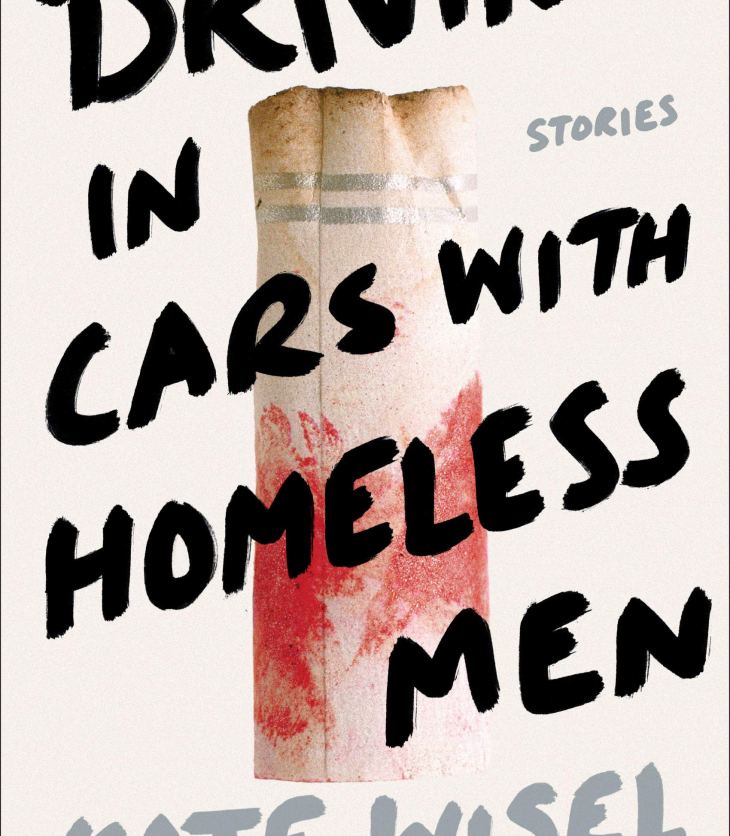
“Wisel writes about domestic violence, drug abuse, poverty, and the inability to connect to others in ways that maintain healthy boundaries,” writes Sarah Sorensen.
(review)

“”History of an Executioner’ brings us to the verge of existentialism, the point where the protagonist must decide for himself at last,” reviewer Andrew Farkas writes.
(review)
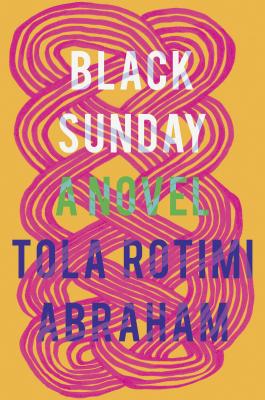
“At a time when the world’s focus is drawn to the humanitarian crisis of children wrenched from their parents at America’s southern border, the damage that is being done to these young psyches is immense and unknowable… Abraham’s gripping tale of innocence lost in contemporary Lagos could just as easily be set in these migrant prisons,” writes Carol Haggas.
(review)

“If I had been chewing gum, I would’ve swallowed it right there,” Jefferson Navicky writes upon reading Maureen Seaton.
(review)
 Another Chicago Magazine