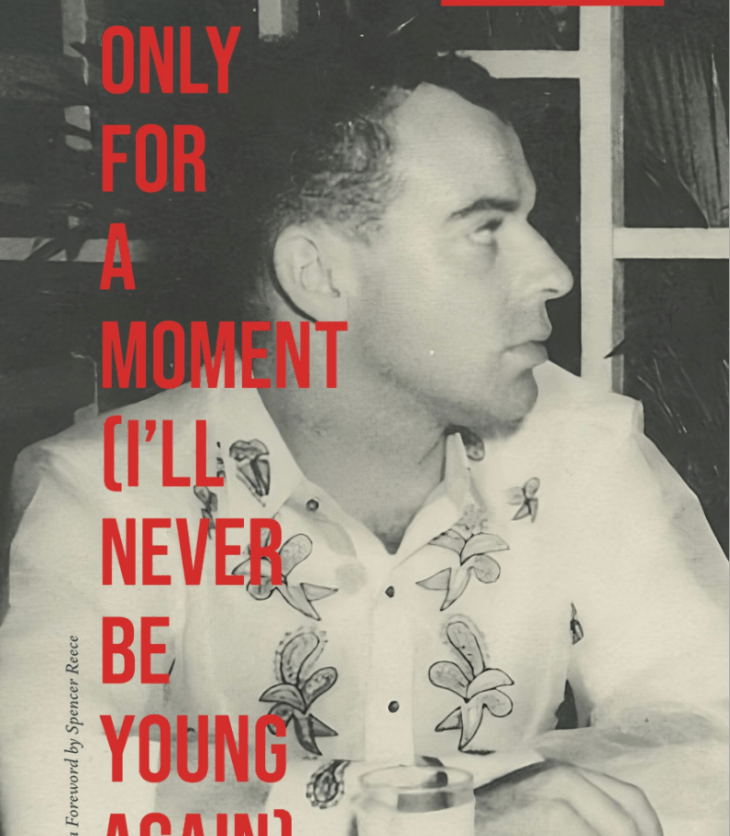
The book takes a historical view of global conflicts — namely World War II and the Cold War — and Lamantia’s reactions against the imperial war machine, both in the United States and within globalized systems, emerge as a precursor to the apocalyptic themes often present in Western poetry.
(reviews)
Category: Reviews
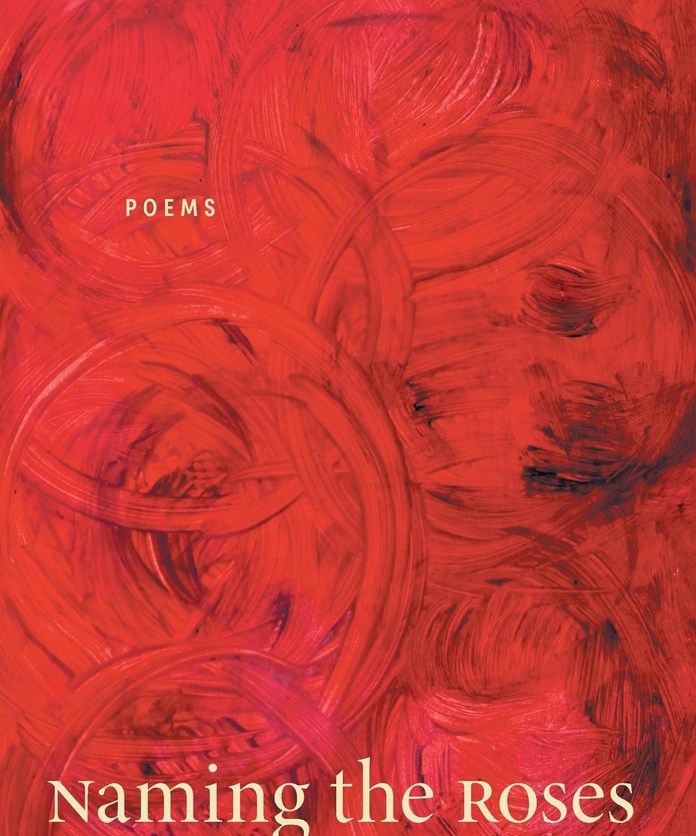
The poems in Naming the Rose draw from vulnerable, autobiographical elements mixed with the obliviousness of those around the speaker. The two-sectioned poem “The Light of Day” contrasts loving memories of pumpkin carving by the speaker’s daughter with the fear of the speaker-mother as her partner and the father of her daughter, “drunk,” “too drunk,” “rid[es] down the highway at 90 miles an hour” with “a huge stolen pumpkin on [her] lap.”
(reviews)
This collection of poems explores the fracture of a marriage after a secret is revealed—a husband’s closeted homosexuality, at odds with his religious upbringing and the life he has built. Set against the pastoral backdrop of stables and gardens, canning jars and roving horses, tether & lung traverses the landscape of loss and longing with striking vulnerability.
(reviews)
If God appears on these pages, it is in the sacred clarity of the concrete detail. The speaker as a young girl, drawing ankhs and peace signs in the back of her bible, listening to a hymn as it slides beneath the pews.
(reviews)
Can violence be made into beauty? Can beauty be used to dignify the stain of violence? Sloan seems to suggest so, perhaps, by conceiving of Ophelia’s body as part of nature—indistinguishable from it.
(reviews)
Shiki wrote haiku—tens of thousands of haiku—elevating himself to the immortal ranks of Bashō, Issa, and his personal hero, Buson. However, Shiki did not want to go back to the past and its masters; he wanted to reinvent what he believed was a dying art.
(reviews)
The book, at its core, follows the speaker’s daily journeys along a rugged mountain road over the course of a year, with the gravel thoroughfare and its environs serving much the way Thoreau’s Walden Pond once did— fueling reflections on humanity in general, and the present moment more specifically.
(reviews)
She poignantly asks, “In such a teeming ocean of words how could I know there was anything else to swim in?”
(reviews)
This week, ACM is posting book reviews every weekday.
Focused primarily on her childhood, Kercheval’s memoir is told in a series of seventeen fanciful chapters—ranging from four to twenty pages each—on subjects including her parents, her imagined worlds, her body (as well as the bodies of others), and the events, people, objects, and entities that shaped her. Shifting metaphors abound.
(reviews)
This week, ACM is posting book reviews every weekday.
The book, at its core, follows the speaker’s daily journeys along a rugged mountain road over the course of a year, with the gravel thoroughfare and its environs serving much the way Thoreau’s Walden Pond once did— fueling reflections on humanity in general, and the present moment more specifically.
(reviews)