The government, monet notes, will try to spin a different narrative—that of the domestic terrorist, the outside agitator, the paid protestor. That’s why it’s important to write and share, to maintain the presence and livelihood of resistance.
(reviews)
Category: Reviews
How does one write about the very things that defy language—things like loss, sorrow, not to mention potential words from the past that went unsaid? How does one convey language-defiant notions through language? For Heller, such linguistically impossible truths are conveyed with metaphor and story, but also with silences, approximations, and fragments.
(reviews)
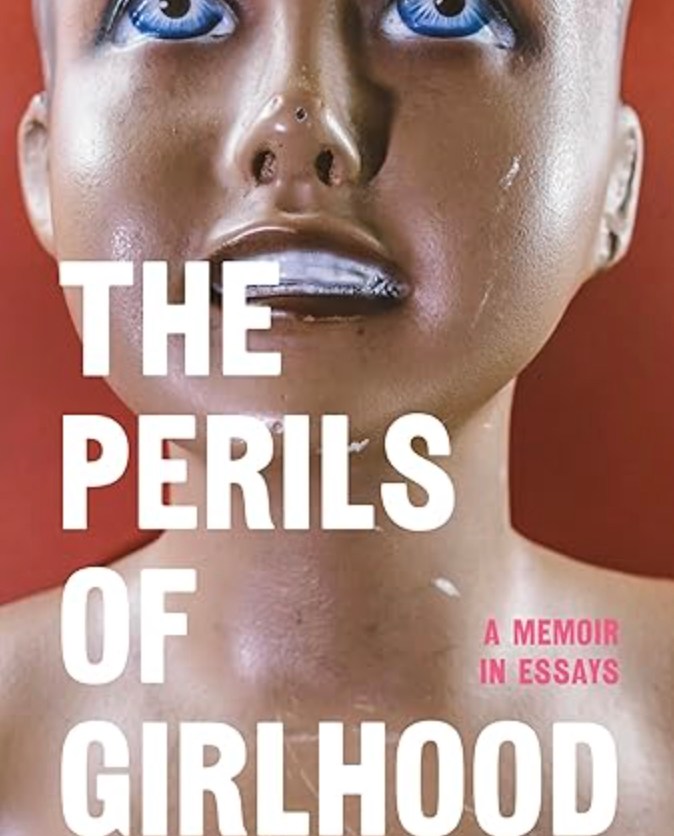
If we look more closely, we see the doll’s skin marked by chips in the paint—traces of violence that our girl has survived—her searing blue eyes defiantly looking toward the sky, or at least something higher than where she is now.
(reviews)
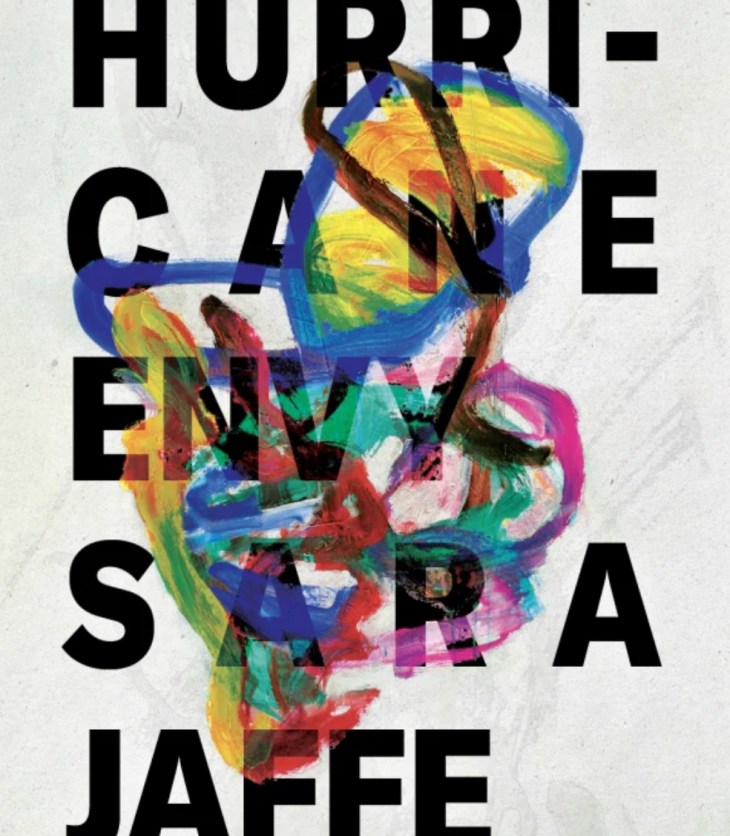
The book’s title is derived from the story “Stormchasers,” in which a couple that moved cities constantly compares the two places while trying to establish a routine. They admit to having “hurricane envy” as they realize that a coming storm won’t really impact them, despite their preparations.
(reviews)
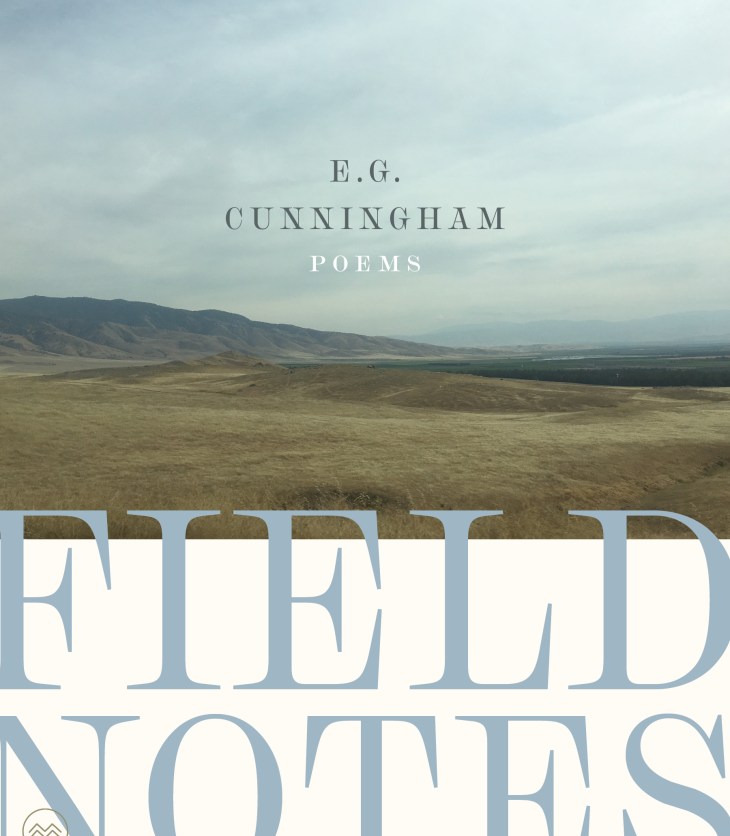
In both concept and practice, we ask a great deal of the field, making it an adaptable metaphor in poetry and art: the open field, the blank page, the blank canvas. The field suggests potential, something unspoiled and limitless where growth is inevitable.
(reviews)
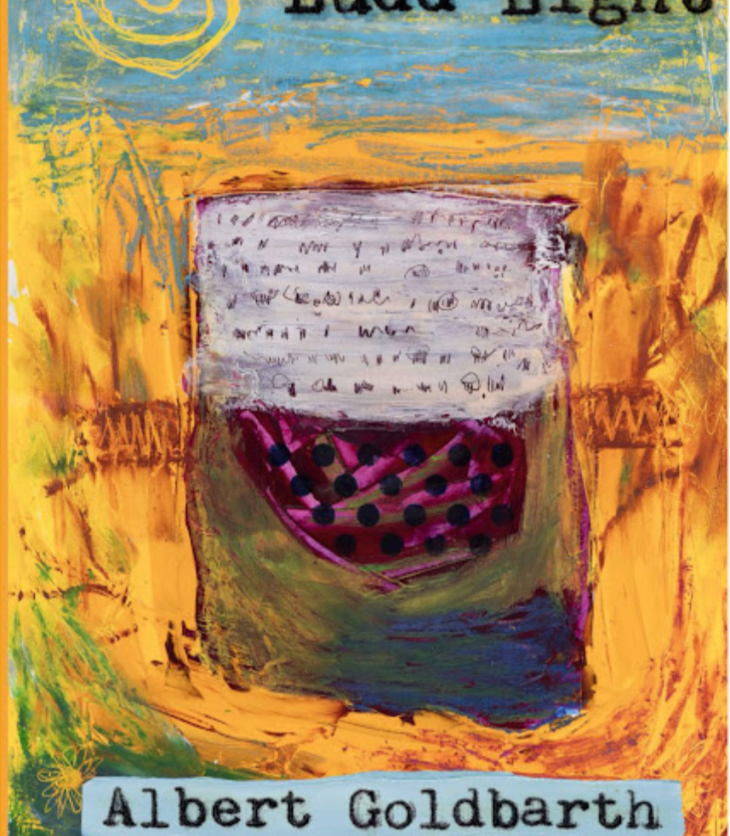
The poems conjure historical and essential artifacts, from “Before Refrigeration” to “Beckoning DigiSex,” and people, too, such as Darwin walking on mountains above the sea, and the poet’s grandmother, whose life “began in Kitty Hawk / and ended in Sputnik.” The tone includes not a simper of lachrymosity for some mythic, ideal time. “The poems included here,” Goldbarth’s introduction continues, “are meant to elegize.”
(reviews)
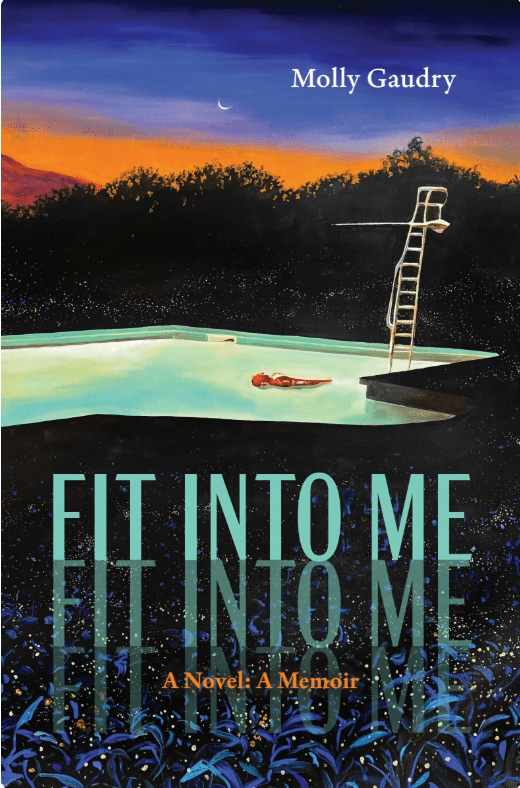
The title comes from Margaret Atwood’s poem “You Fit Into Me,” a borrowed line that helps Gaudry translate her own feelings. The phrase “fit into me” can act as both a plea and a demand, asking us to place ourselves inside the characters—but borrowed language can also act like a mirror, reflecting our own experiences back at us rather than revealing hers.
(reviews)
As the title suggests, this is a book about vantage and perception. In several poems, the speaker takes an empathetic approach, trying to see the world through the eyes of her neurodivergent son. Elsewhere, she poses the question: “How can I teach my child to live through and/or in violence, without becoming violent themselves?”
(reviews)
The often pitch-perfect language captures the absurdity of the way we live now and renders it hilarious: “I fought a monster and defeated it. I did that. But what do you do with that? It’s not something I can post about on Facebook. I mean, my mom would see that.”
(reviews)
The collection’s opening salvo asserts this tension in a whiplash, maximalist mad dash. Stories steer their readership past one visceral image after another: burnt oil engines, boiled feet, metallic screams, and fast food mutilations.
(reviews)