
Each panel felt a little like The Decameron, where we listened and told stories while the weight of the plague swung over us like a poorly-anchored chandelier.
(nonfiction)

Each panel felt a little like The Decameron, where we listened and told stories while the weight of the plague swung over us like a poorly-anchored chandelier.
(nonfiction)
“Love As The World Ends”
“If This Next Apocalypse Gets Canceled Or Postponed”
(nonfiction)

Michael McColly writes: “Farber states what is obvious for anyone who’s spent any time or been affected by America’s massive prison industrial complex: ‘Sometimes, we need to stare at the drear reaches of our national soul to understand who we are and who we wish to be.’”
(review)
“Would you like to go for a dinner, let’s say in one or two months, if restaurant will be reopened by that time?” I imagine he would ask.
(nonfiction)
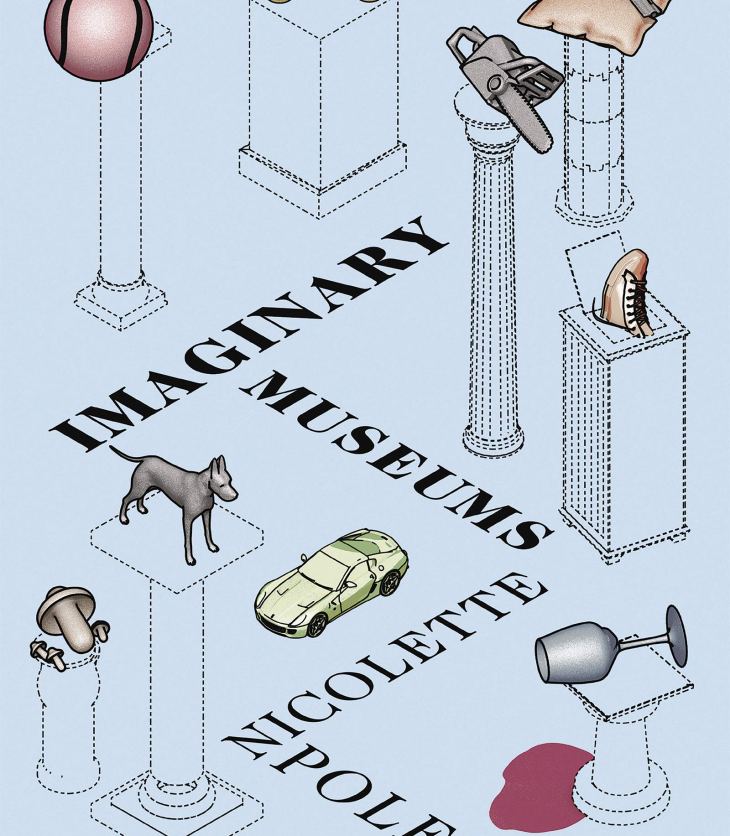
“With composed brevity and a hip, off-brand optimism, Polek mines a bottomless crevasse of depressive inclinations and self-imposed disembodiment,” writes Loie Rawding.
(review)
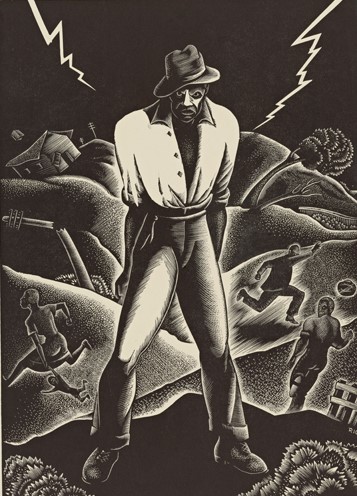
Professional Skills: Steel-driving, of course
(fiction)

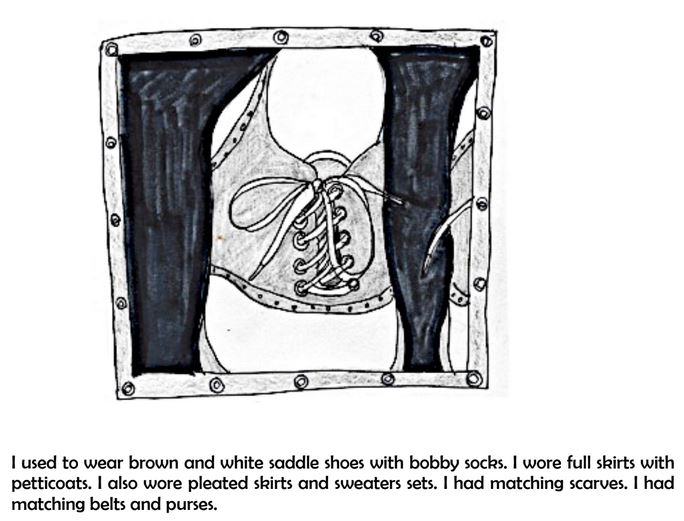
ACM is pleased as punch that we get to publish Leanne Grabel’s work every month.
(The Loop)

The mouse saw the Ghost of Death approach him as the humans struck him with the shoe, stick, broom, and a series of quick kicks.
(fiction)
So here I am writing about it in America.
(nonfiction)

“The most fantastic element of the book isn’t the religion or the space travel but the way people behave,” Alder Fern writes.
(review)
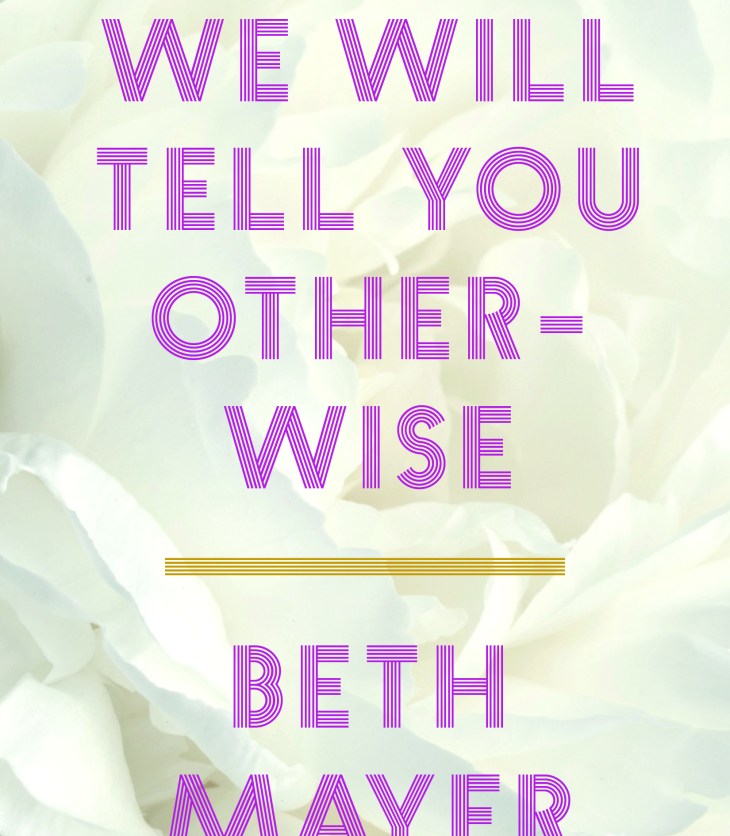
The stories in this collection are varied in narrative voices but uniform in the quality of the telling, review editor Patrick Parks writes.
(review)
As children under Nixon and teens under Reagan, first-wave Generation Xers like myself have spent our lives watching the rout of the political left from power. Progressive reforms from the New Deal and Great Society were dismantled piecemeal to enrich a profiteering few.
(nonfiction)

I want something in return for telling you my story. I want you to remember me. I want you to say that I was a capable man.
(fiction)

Our father was a design engineer whose best invention was figuring out how to disappear.
(fiction)

Actually, don’t bother measuring. The audience won’t know how to taste for the right textures and flavors anyway. It only matters to them that it’s an authentic recipe. The only recipe that your abuela—your last known living relative and the only brown person responsible for teaching you culture—gave you.
(fiction)
“He was the president of Quordoba from the early fifties until 1981, when he was deposed,” said Jean. “Of course, he was just a puppet, Alberto Machano held all of the power.”
(fiction)
There were some things going on that passengers wanted to believe nobody noticed. There were couples swapping partners, both with and without the knowledge and consent of the people they’d arrived with. There were orgies with all kinds of drugs, especially among the senior citizens.
(fiction)

“With therapists like this, who needs parents?” reviewer Natania Rosenfeld asks.
(review)

It’s the last corner of paradise, here, evaporating like spit on a hot sidewalk.
(nonfiction)
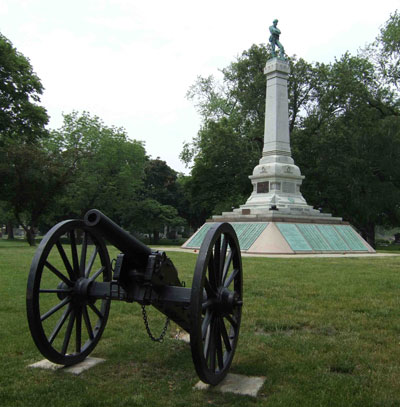
Oak Woods Cemetery is located in the predominantly African-American neighborhood of Grand Crossing, and the Confederate Monument towers over the gravesite of the Chicagoan suffragist and anti-lynching activist Ida Bell Wells-Barnett, a former slave.
(nonfiction)

After a moment of ‘studying,’ Horsecollar said, “That’s a mighty iffy saying of Lincoln’s, but it makes a lot of sense.” He slightly nodded, but I wasn’t at all sure we understood one another.
(fiction)

Red’s may not have been nice, but it was ours.
(fiction)

“I was in the convent at the time. I knew that I was lesbian. I was twenty-six. I was in a new program that allowed us more latitude than your ordinary canonical novice has. I had heard about, probably read an article in the newspaper, about this uprising, and it’s as if it drew me – not the riot, but the act of rebelling,” Ginny Apuzzo tells Tamika Thompson.
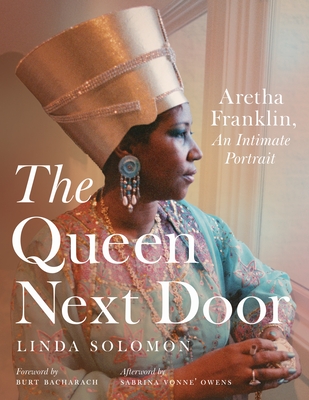
“The singer experienced considerable challenges during [the 1980s] : On the positive side, she recaptured the wide public’s attention with her hit 1985 album “Who’s Zoomin’ Who?” But she also lost her father, C.L. Franklin, in 1984 after a 1979 gunshot put him in a five-year coma,” music critic Aaron Cohen writes.

The professor should have burned the letters. He had no right to give them to a stranger.
(nonfiction)
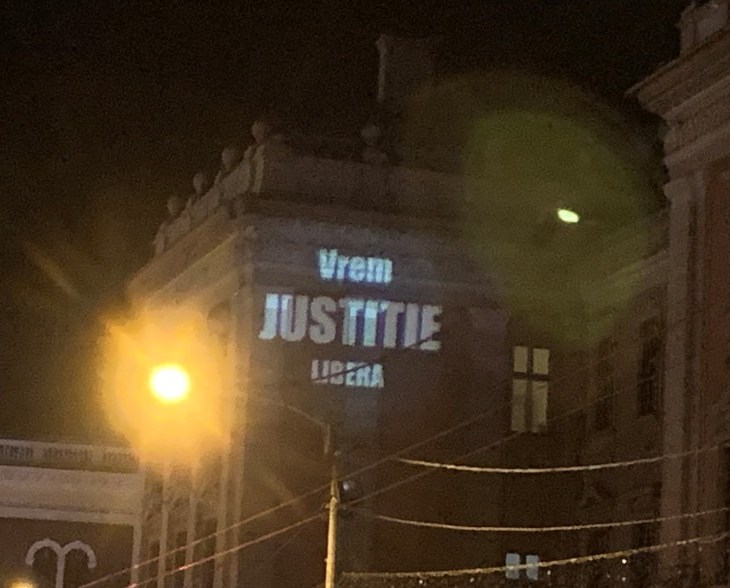
In December 1989 in Romania, the crowds spilling into the streets chanted: “We will die and we will be free!”
(nonfiction)

 Another Chicago Magazine