
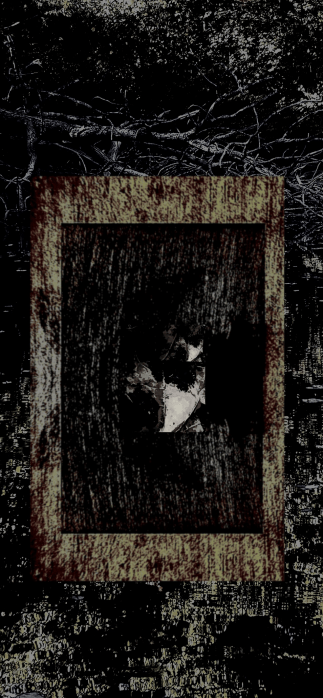
The Broken, Golden Spokes of Sun
fog is drooling down the chins
of the surviving windows.
fog, dingy autumn idiot
gray-cheeked, with a bundle of bright leaves
swallows a birdie, a cat,
a car crushed by the blast like an empty pack of cigarettes,
while mama-sun can’t see.
We slide down a damp maple alley—
the elastic esophagus of a dragon,
and around us
yellow bones in rusty armor are being digested in acid.
the prongs of romanticism have pierced
the face of war.
anti-tank hedgehogs are covered
with wet
bright red maple leaves,
looking ritzy, photogenic.
you take pictures of them on your phone
with the earnestness of a snake,
smelling a clutch of bird eggs.
the bricks and the branches.
the dead rain is embedded in the asphalt like an oily sheen
into the muscular body of a scorpion.
the freshness and poison of beauty.
the gastric juice of October.
ugly pearls.
a year ago, shrapnel
killed a cyclist here, a girl in a hairdresser’s shop,
and a friend of mine was shot in the stomach.
bent over, he dragged himself to the subway entrance,
holding his muscles/guts with his hands
like hot, pulsating flowers.
a cat hit by a car, crushed,
thrown into the bushes.
rotted to a slimy hide: now
it’s a flattened compass of death
with its fanged, grinning muzzle.
it points to Belgorod.
there are no street ads anymore,
except for advertisements for death and patriotism.
this is our, no one else’s, autumn.
I’m a bit queasy from freedom,
from undercooked pasta with stew and raw water.
under artillery shelling
we are all as free as wheat,
as trees and birds,
and the wind dives like an eel into
the broken, golden spokes of sun.
memories are written in Braille
like shrapnel marks on a wall
on the lamppost at the milk kiosk, everywhere
the same word is written
“death.”
a hole in a female paramedic’s back is the size of a plate
covered a wounded man and saved him
he’s got an angry, badly cut
stained glass window of a face
with fragments of flesh the color of jamón
instead of the loose pieces of skin.
each corpse looks like a variation
of the previous one.
god molded his creatures out of khaki-colored clay
only to kill them right away
and scatter them across fields, forests, and coppices.
туман тече по підборіддях
уцілілих вікон.
тьмяний ідіот осені
сірощокий, з пачкою яскравого листя,
ковтає синицю, кішку.
зім’яту вибухом машину – як порожню пачку сигарет,
поки мама-сонце не бачить.
ковзаємо сирою кленовою алеєю –
еластичним стравоходом дракона, а навколо
перетравлюються у кислоті
жовті кістки в іржавих латах.
романтичність штирями пробила
морду війни.
протитанкові їжаки, обліплені мокрим
яскраво-рудим листям клена.
це виглядає соковито, фотогенічно.
ти знімаєш їх на телефон
із серйозністю полоза,
який унюхав кладку пташиних яєць.
цегляність і гілки.
мертвий дощ влитий в асфальт наче масляний блиск
у м’язисте тіло скорпіона.
свіжість і отрута краси.
шлунковий сік жовтня,
потворні перлини.
рік тому тут осколками
вбило велосипедиста, дівчину в перукарні,
а друга поранило у живіт.
зігнувшись, тягнувся до входу метро.
притримував руками м’язи/кишки,
ніби гарячі пульсуючі квіти.
кішка збита машиною, розчавлена,
відкинута в кущі.
згнила до мулистої шкури: тепер
це розпластаний компас смерті –
ікластою вишкі́реною мордочкою
вказує на бєлгород.
на вулицях немає більше реклами,
крім реклами смерті та патріотизму.
і це наша, тільки наша осінь.
ласкаво нудить від свободи,
від недоварених макаронів з тушонкою і сирої води.
ми вільні як пшениця,
як дерева і птахи під артобстрілами.
і вітер вугром пірнає у спиці –
поламані, золоті.
спогади вибиті шрифтом Брайля
немов сліди шрапнелі на стіні,
на ліхтарі, на кіоску молочному – скрізь
написано одне слово: «смерть».
діра у спині жінки-парамедика розміром з тарілку.
накрила пораненого, врятувала.
у нього зле посічене обличчя –
вітражі
замість випалих скелець шкіри,
фрагменти плоті кольору хамона.
кожен труп виглядає варіацією попереднього.
Бог ліпив створінь із глини кольору хакі
і тут же їх умертвляв,
розкидав по полях, лісах та посадках.
✶✶✶✶
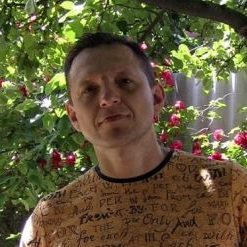
Dmitry Blizniuk is a poet from Ukraine. His most recent poems have appeared in POETRY Magazine, AGNI, Beloit Poetry Journal, Rattle, Los Angeles Review, The Cincinnati Review, The Nation, Prairie Schooner and many others.
✶
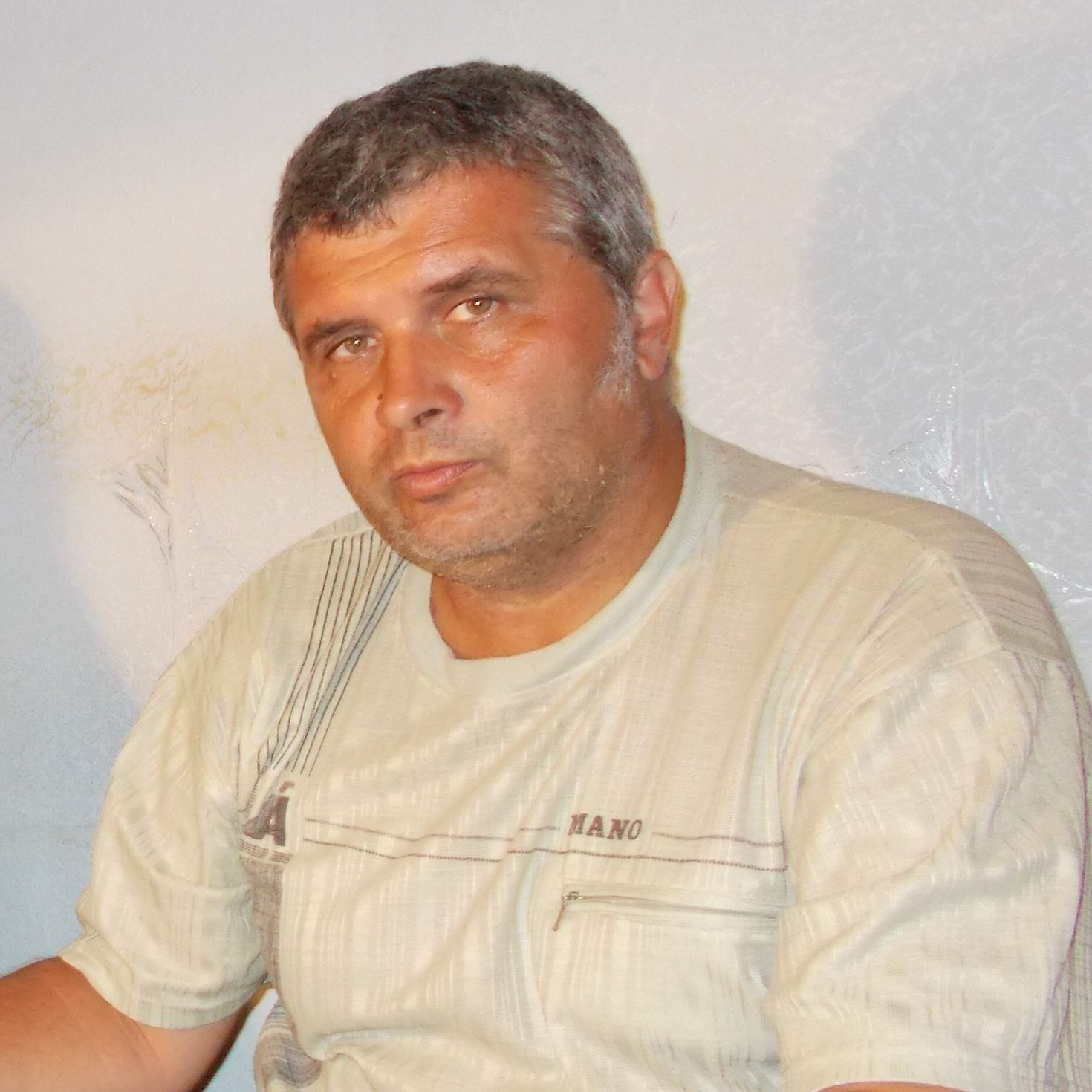
Sergey Gerasimov is a writer, poet, and translator. His books include Feuerpanorama: Ein ukrainisches Kriegstagebuch (dtv Verlagsgesellschaft mbH & Co. KG, 2022) and Oasis (Gypsy Shadow, 2018).
✶
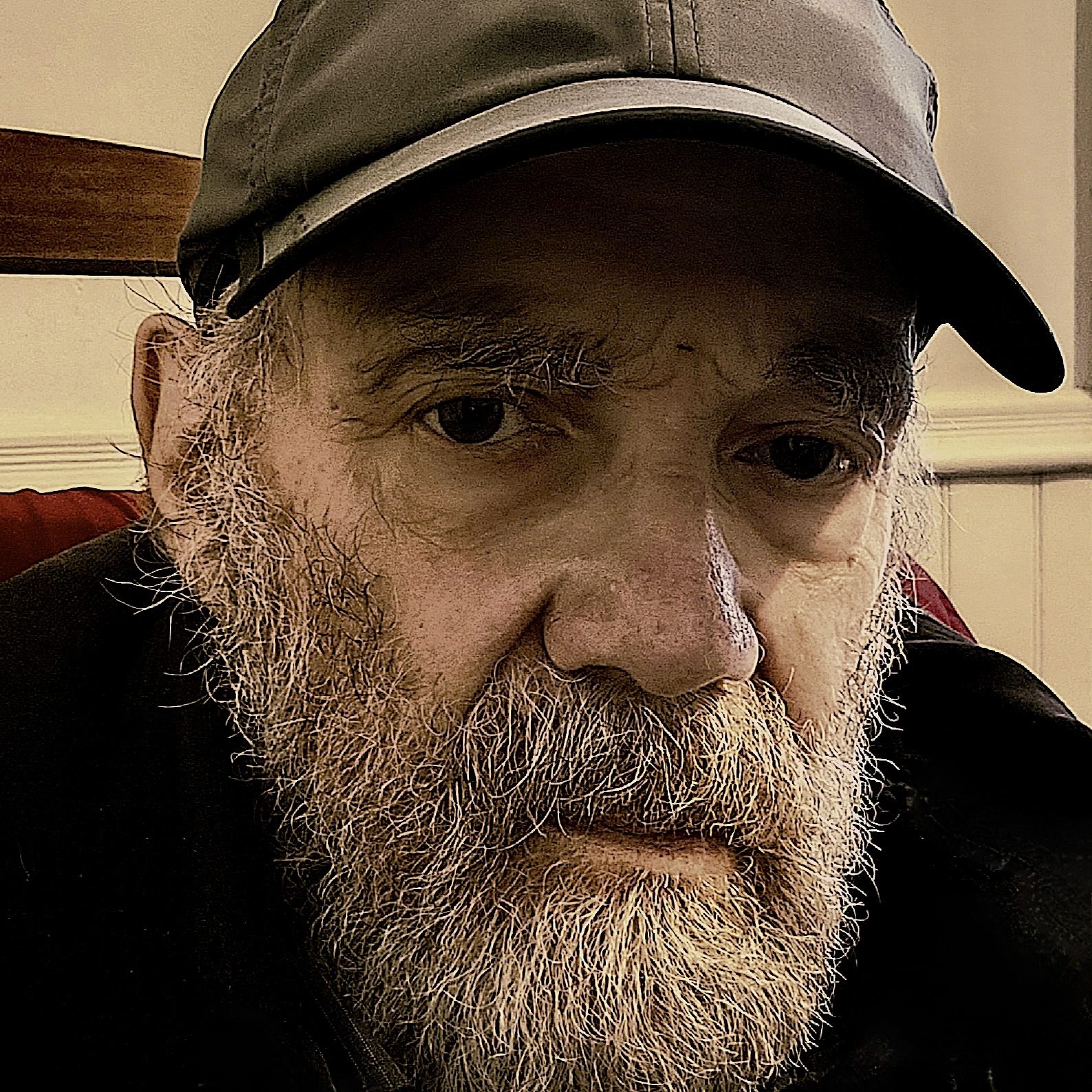
Tony Brinkley’s poetry, art and translations have appeared recently in Open, Collateral, Trafika Europe, Ana, Nashville Review, Exchanges, Neologism, Poems in Translation, Bombay Review, Pictura Journal, Blue Unicorn, Merion West, Reverie, Viridine Library, Rumen, Soul, Last Leaves Review, Lover’s Eye Press, Miserere Review, Months to Years, Feral, Consequence Forum, and Antifa Literary Review. Tony Brinkley is the author of three books of poems: Stalin’s Eyes (Puckerbrush Press), America, America (Island of Wak-Wak), and Icons Of War – Poems Without Words (American Book Publishing). Before retirement, Brinkley taught Literature, Holocaust Studies, and Fascist Studies at the University of Maine. He is co-editor (with Keith Hanley) of Romantic Revisions (Cambridge University Press).
✶
Whenever possible, we link book titles to Bookshop, an independent bookselling site. As a Bookshop affiliate, Another Chicago Magazine earns a small percentage from qualifying purchases.

