
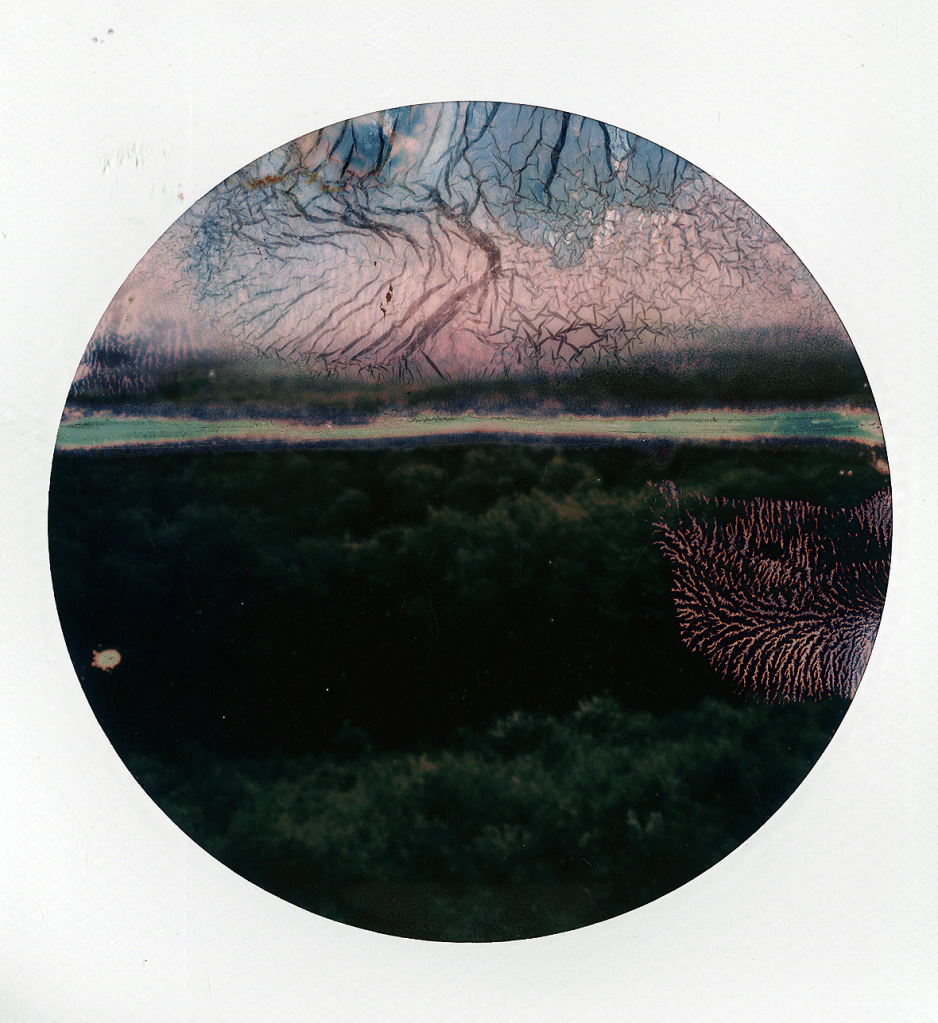
TRANSLATOR’S NOTE
Natsumi Aoyagi is a celebrated young poet with an interrogative approach to questions of how experience is representable. Her Nakahara Chūya Prize-winning collection Sodatsu no wo yameru (Done Being Nurtured, 2022) includes “Nondeiru furi” (“Pretending to Drink”), a striking example of her attentiveness to insect life, to the sensitivity of childhood memory, and to the ambiguity of subjective experience. Like many poems in the collection, “Pretending to Drink” sketches a slippage between “boku” (i.e. “I”) — which itself connotes both a child self and a lyric voice — other forms of life, and collective experiences. The poem stages metamorphic crossings between past and present, self and other, past-as-present and self-as-other, exemplifying her inventive approach to lyric subjectivity.
✶
a butterfly drinks
give it a grape
the grape remains unseen
no liquid flows
into the butterfly’s straw
we ran and we ran along the embankment
there was a bridge also, but no river water flowed — a mere embankment
at the river where you cross to an opposing riverbank by way of a ladder
construction goes on forever
a wheel grinding through rattling pebbles barely turns
little people wearing yellow helmets ride heavy machinery
we arrived at a black somewhere
and slippery, slippery, slippery, slippery
it caved in, it mounted up
if we dashed down into the depression from the embankment becoming a hill road as it
seemed to swallow the river up, it must have meant plunging eighty metres below
though it was wrong to enter, we took a path passable to us regardless; climbing into
the embankment, there a yellow-and-black striped pole lay, which we clambered over
that’s why we were worried — if the little people at the construction site down by the river
turned and ran toward us, I don’t know which way we would have run
if there were many little people, on such a wide embankment and sparsely
scattered — too separate to call out in loud voices — they comprised a collective
the opening of a cut grape
the butterfly
if it were to lightly rest upon the extremity of the grape
and pretend to drink
if it wasn’t drinking
what was to be done then?
I would have to
improve how well I see, with these eyes
improve how well I hear sounds
and so, employing my hands
I noticed
the smallest of movements
does the embankment exist because the river does?
the river absent where you enter the embankment, the trace of a manhole lies without a lid
weeds, in full bloom
if a house lay below the embankment, a great mansion it would be
with such an entrance where the flowers grow
the entrance would be a hole, open to the embankment, but being under the bridge, all would
be well even if it rained
the bridge is higher than the embankment
white flowers in bloom will dodge the rain, however many days pass
飲んでいるふり
チョウは飲む
ぶどうをあげても
ぶどうをみない
ストローに
水は流れない
土手を走った走った
川は流れていなくて土手だけで橋もあった
ハシゴを登るとむこう岸に渡れる川でずっと工事している
ガタガタ石をふみつけた車輪がかろうじてまわる
小人たちが黄色いヘルメットをしてじゅう機に乗り込む
黒いどこかにきた
つるつるつるつるしている
窪んでいる嵩んでいる
川を引き込むよう坂道になってる土手から窪みへ駆けおりた
ら高さは八十メートルくらいあったかもしれない
入っちゃいけないけど人が通れる道を進み土手に入ったとき
黄色と黒のシマシマのボールを乗り越えたから
だから川の下の工事の小人たちが気がかりだこっちにむかっ
て走ってきたらぼくはどっちに走っていいかわからない
小人たちはたくさんいたけど広い土手にまばらに散らばった
離れ離れでも大声を出さなくても小人は連帯した
ぶどうの切り口
軽やかに先端のって
もしチョウが
飲んでるふりをして
飲んでなかったら
どうしよう
ぼくはもっと
目がよくならないといけない
音がよくきこえなければならない
手を添えて
小さな動きに
気づいた
川があるから土手があるか
川はなくて土手の入り口にマンホールの跡があって蓋がない
満開の雑草
土手の下に家があるとしたら大豪邸だ玄関に花が植えられて
玄関は土手にあいた穴だけど橋の下だから雨がふっても大丈夫
橋は土手よりも高く
白い花々は何日もかけて雨を避ける
✶✶✶✶

Born in 1990 in Tokyo, poet and artist Natsumi Aoyagi has been singled out by the judges of the 28th Nakahara Chuya Prize as a defining poet for the future of Japanese poetry. Aoyagi’s publications include poetry collections Stories from the Calendar (2021), Done Being Nurtured (2022) and Logbook of a Sea Goddess (2024), and novel Fujimi Rōhō (Kotobato vol. 3, 2021). She is also a director of the art space and bookstore Kohonya Honkbooks. Aoyagi completed her postgraduate studies in the department of new media at Tokyo University of the Arts in 2016. Recent exhibitions include: Godzilla: The Art (2025), Mori Arts Center; BENTEN 2024 in public sites around Shinjuku, and the solo exhibition Logbook of a Sea Goddess at Towada Museum of Contemporary Art.
✶
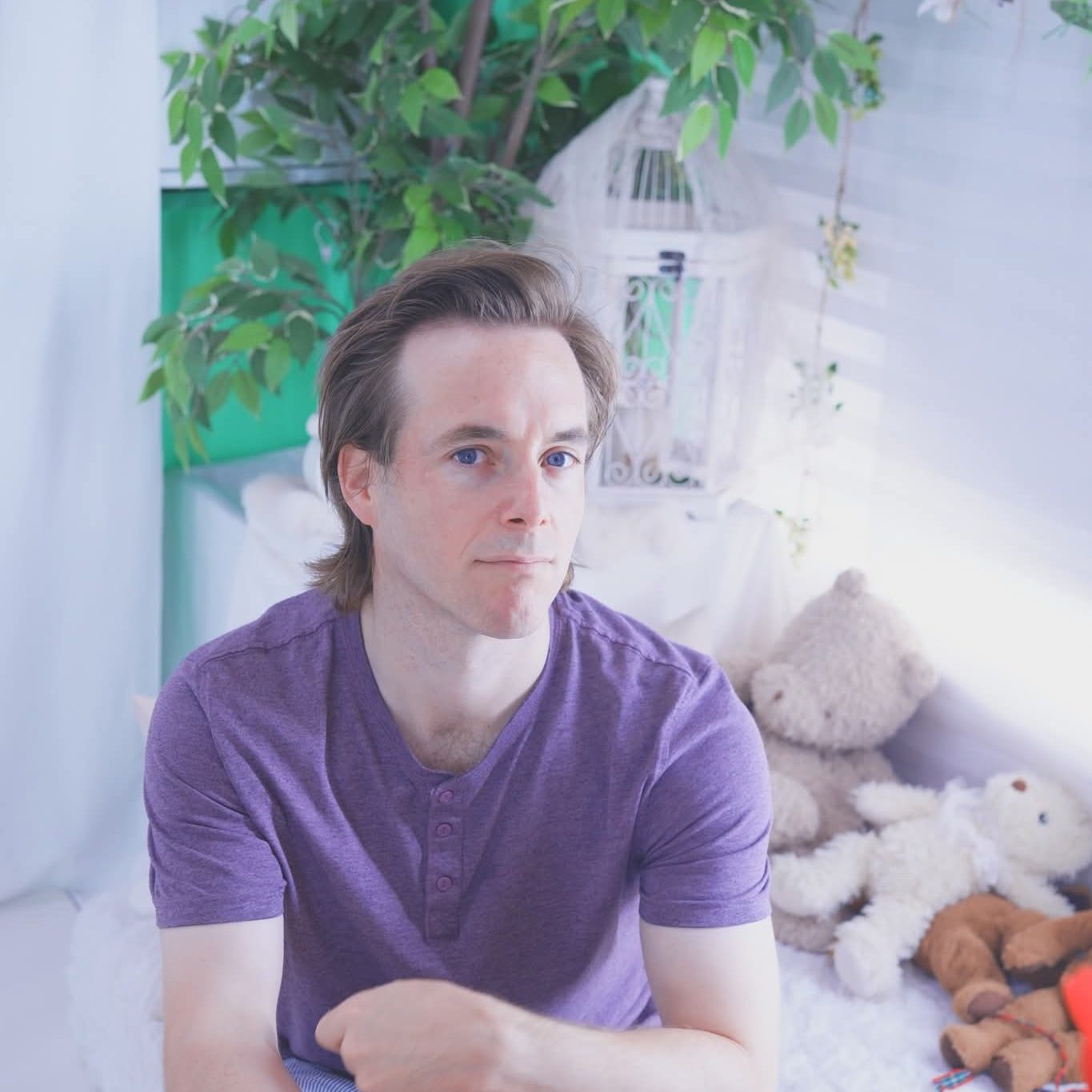
Corey Wakeling is a writer, scholar, and translator based in Tokyo. Corey was born in England and raised in Western Australia. He completed a PhD in English and theatre studies at the University of Melbourne in 2013. Since 2015, he has lived in Japan, where he is currently an associate professor of English at Aoyama Gakuin University. Corey has published and edited numerous books and essays concerning modern and contemporary literature and performance, with a particular engagement with the Asia-Pacific region. As a poet, Corey is the author of four collections, his most recent, Uncle of Cats, published by Cordite Books in 2025.
✶

Patty Paine is the author of Grief & Other Animals, The Sounding Machine, and three chapbooks. Her writing and visual work have appeared in Blackbird, The Denver Quarterly, Gulf Stream, Waxwing, Analog Forever, Lomography, The South Dakota Review, and other publications. She is the founding editor of Diode Poetry Journal and Diode Editions and is Director of Liberal Arts & Sciences at VCUarts Qatar.
✶
Whenever possible, we link book titles to Bookshop, an independent bookselling site. As a Bookshop affiliate, Another Chicago Magazine earns a small percentage from qualifying purchases.
 Another Chicago Magazine