Deceptive but alluring blends of sound and song, traditional lullabies promise the deepest sense of intimacy alongside a chilling sense of dread. (review by Sara R. Burnett)

Deceptive but alluring blends of sound and song, traditional lullabies promise the deepest sense of intimacy alongside a chilling sense of dread. (review by Sara R. Burnett)

The poems themselves are a genuine treat to read, as well as the mysterious, half-finished biography lurking beneath…
(review by Matt Martinson)
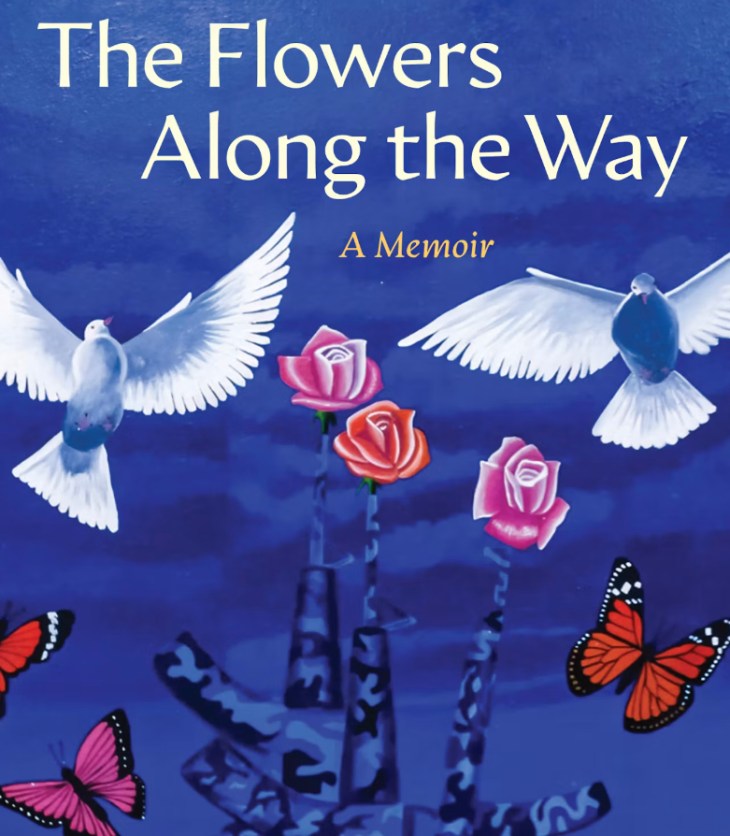
“The Flowers Along the Way testifies to the healing power of hope, showing how nurturing a garden, or a story, can generate something fresh and green out of loss.” (review by Liz Rios Hall)
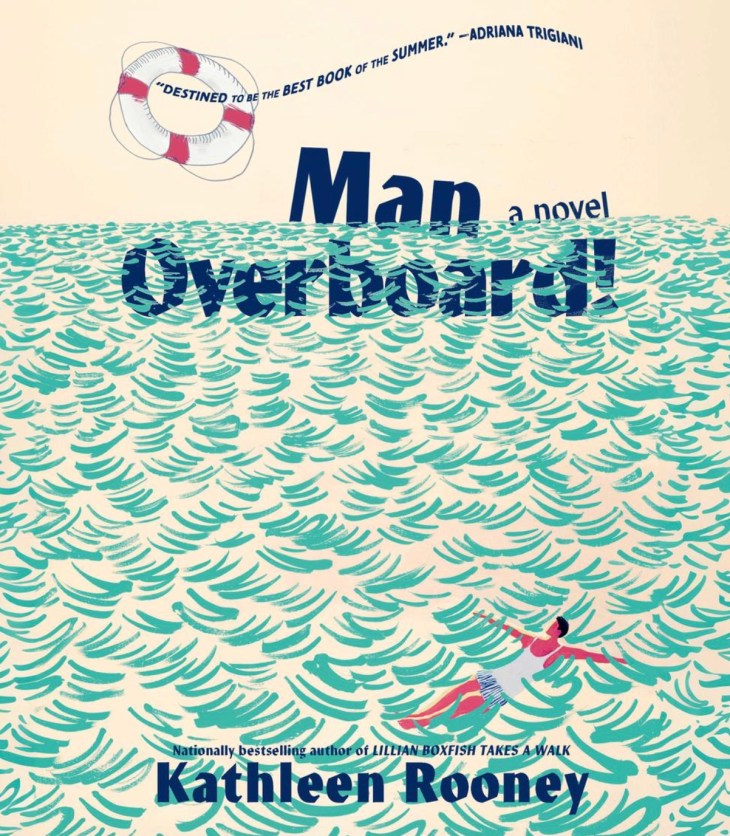
“It’s a lot more entertaining to hear a dolphin tell a manchild to ‘grow up’ than to hear the same advice coming from a psychiatrist.”
(review by Chloe Lutts Jensen)

An underreported story of the lived experience of children of political activists who embrace violence as a tool of resistance. (review by Karen Paley)

Mule Boy unfolds as a single, sustained utterance—a life in one long sentence—and in doing so invites the reader into an intimacy that feels both confessional and liturgical.
(reviews)
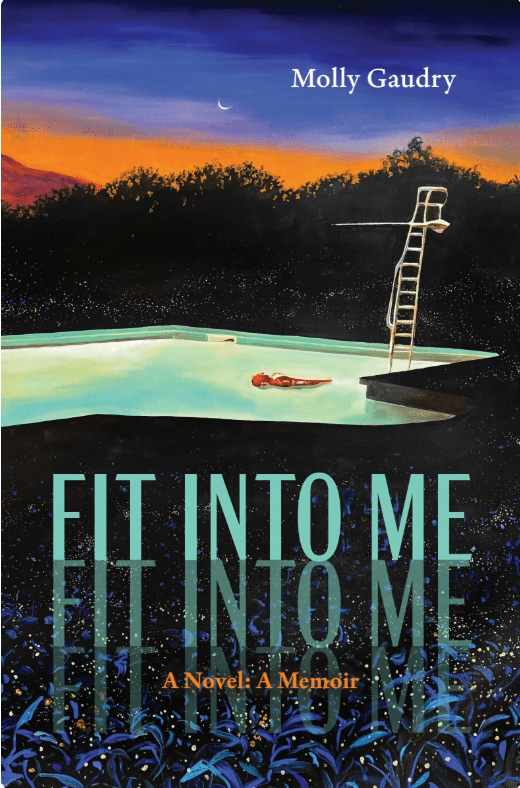
The title comes from Margaret Atwood’s poem “You Fit Into Me,” a borrowed line that helps Gaudry translate her own feelings. The phrase “fit into me” can act as both a plea and a demand, asking us to place ourselves inside the characters—but borrowed language can also act like a mirror, reflecting our own experiences back at us rather than revealing hers.
(reviews)
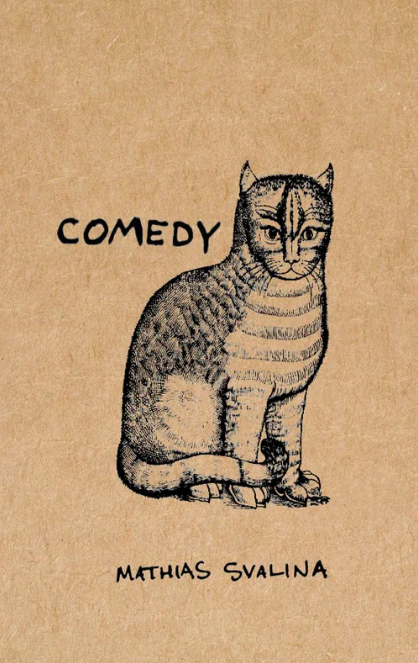
The often pitch-perfect language captures the absurdity of the way we live now and renders it hilarious: “I fought a monster and defeated it. I did that. But what do you do with that? It’s not something I can post about on Facebook. I mean, my mom would see that.”
(reviews)
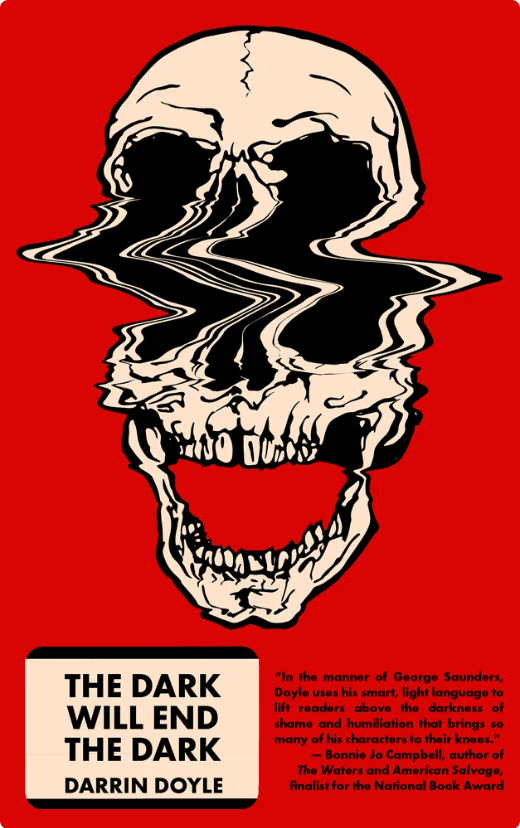
The collection’s opening salvo asserts this tension in a whiplash, maximalist mad dash. Stories steer their readership past one visceral image after another: burnt oil engines, boiled feet, metallic screams, and fast food mutilations.
(reviews)

The book takes a historical view of global conflicts — namely World War II and the Cold War — and Lamantia’s reactions against the imperial war machine, both in the United States and within globalized systems, emerge as a precursor to the apocalyptic themes often present in Western poetry.
(reviews)

