In “Parallax,” everything is war, even as the lens through which it is viewed varies. The opening poems establish this: Violence is met with a mix of detached curiosity and a desperate, parental urge to shield children from it.
(reviews)
Tag: book review
The often pitch-perfect language captures the absurdity of the way we live now and renders it hilarious: “I fought a monster and defeated it. I did that. But what do you do with that? It’s not something I can post about on Facebook. I mean, my mom would see that.”
(reviews)
The collection’s opening salvo asserts this tension in a whiplash, maximalist mad dash. Stories steer their readership past one visceral image after another: burnt oil engines, boiled feet, metallic screams, and fast food mutilations.
(reviews)
The book takes a historical view of global conflicts — namely World War II and the Cold War — and Lamantia’s reactions against the imperial war machine, both in the United States and within globalized systems, emerge as a precursor to the apocalyptic themes often present in Western poetry.
(reviews)
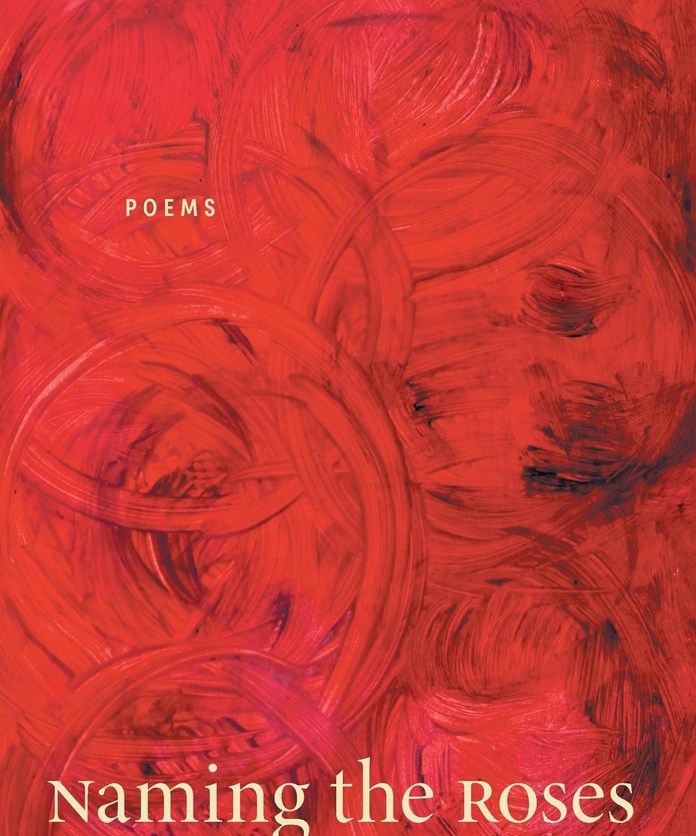
The poems in Naming the Rose draw from vulnerable, autobiographical elements mixed with the obliviousness of those around the speaker. The two-sectioned poem “The Light of Day” contrasts loving memories of pumpkin carving by the speaker’s daughter with the fear of the speaker-mother as her partner and the father of her daughter, “drunk,” “too drunk,” “rid[es] down the highway at 90 miles an hour” with “a huge stolen pumpkin on [her] lap.”
(reviews)
This collection of poems explores the fracture of a marriage after a secret is revealed—a husband’s closeted homosexuality, at odds with his religious upbringing and the life he has built. Set against the pastoral backdrop of stables and gardens, canning jars and roving horses, tether & lung traverses the landscape of loss and longing with striking vulnerability.
(reviews)
If God appears on these pages, it is in the sacred clarity of the concrete detail. The speaker as a young girl, drawing ankhs and peace signs in the back of her bible, listening to a hymn as it slides beneath the pews.
(reviews)
It’s in these moments that Hobbs Hesler subtly presents space for the reader to ponder the lessons we learn at any age, picking apart notions that we should get second chances.
(reviews)
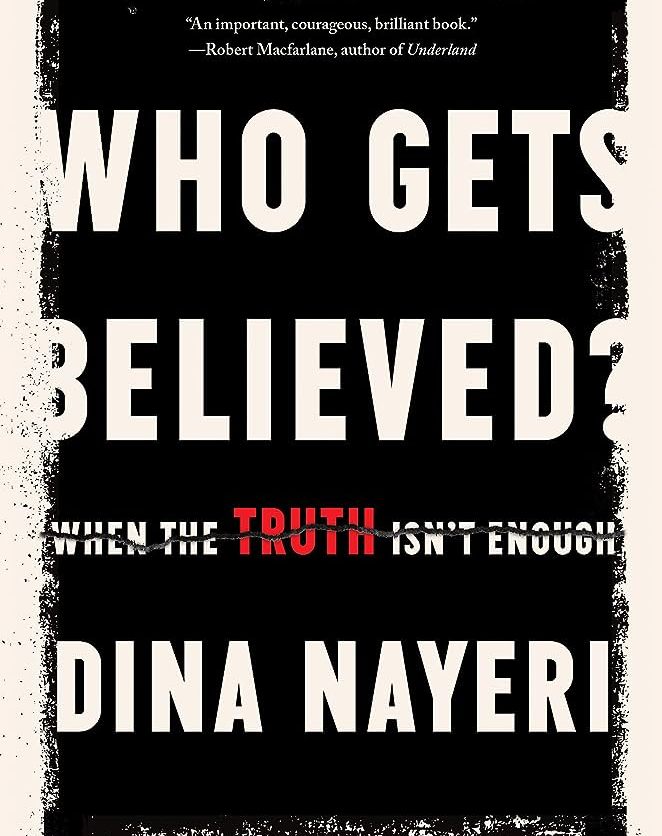
The request to be granted refuge in Britain or the US from victimization based on sexual orientation, religion, tribe, and/or familial ties, as soon as it is uttered before certain authorities, initiates a formal evaluation of the refugee’s narrative, which is held up to impossibly arcane, contradictory, even Kafka-esque standards by asylum officers over endless retellings.
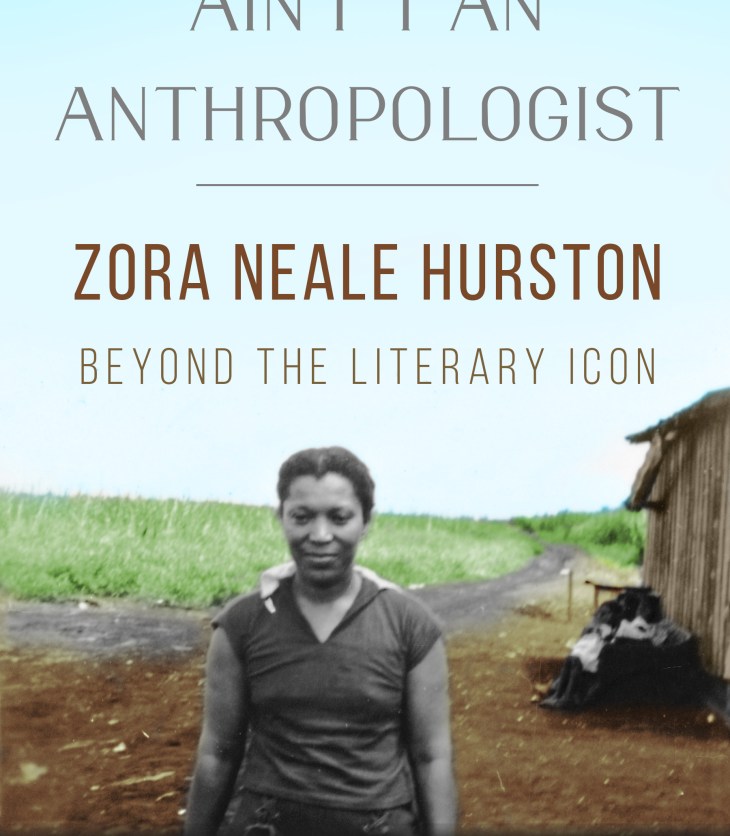
Hurston consistently drew attention to herself in her ethnographies and included the dialogue of her interlocutors, thus eschewing the objective and distant narrator perspective.
(reviews)
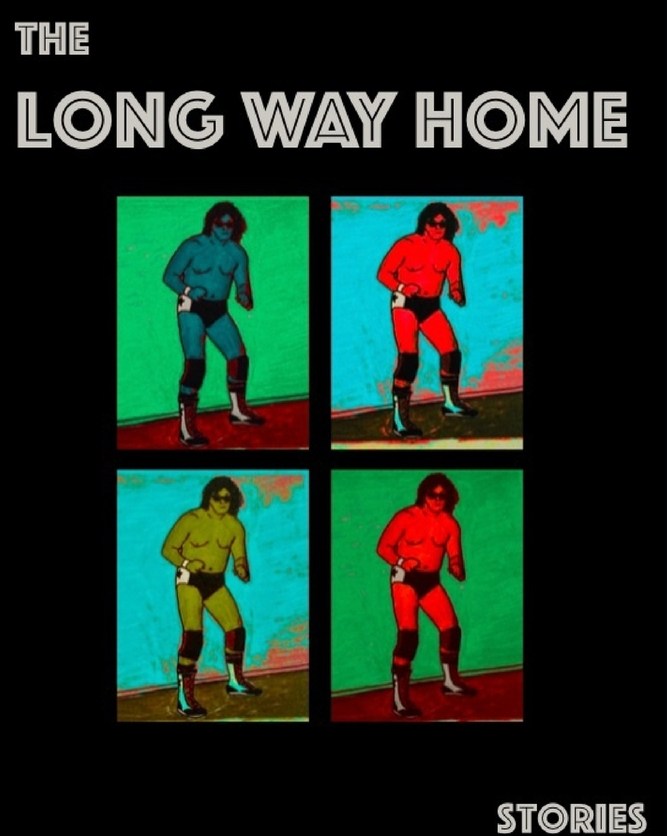
Reviewer Matt Meade writes, “These sixty or so mean little tales come across as dispatches from some strange world, as if Grimms’ fairy tales all took place in a moldy locker room.”
(review)
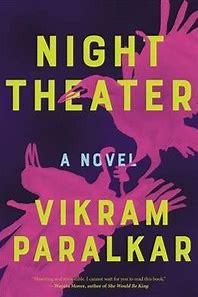
Reviewer Carol Haggas writes, “Meno has written a definitive and unnerving account of the myriad risks and meager rewards of seeking asylum.”
(review)
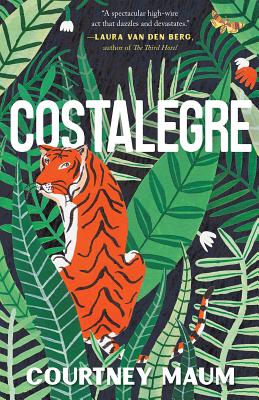
“The process of reading the book took longer than usual for a variety of reasons, least of all a natural disaster and a pandemic,” writes reviewer Loie Rawding. “But I found myself returning each night to read a few pages and sink into a warm, if unsettling, darkness.”
(review)
“There is immense value in Ripatrazone’s book regardless of your faith,” writes reviewer S.T. Brant.
(review)
“Whether V’s and June’s story is your or my family story,” writes Chelsea Biondodillo, “it is still our story and it should rattle and anger even as it hollows out a soft spot in the heart for these fierce and sorrowful unsung stories.”
(review)
“The poem lingered in my mind for weeks not because of its timeliness, but because of its unsettling brilliance,” writes Jefferson Navicky.
(review)
The stories in this collection are varied in narrative voices but uniform in the quality of the telling, review editor Patrick Parks writes.
(review)
“With therapists like this, who needs parents?” reviewer Natania Rosenfeld asks.
(review)
“It is, in so many ways, a novel about waiting. Lara waits to become an adult. The artists wait for the boat of their artwork to arrive in Mexico from Germany. They wait to feel inspired. Time is at once abundant, and yet, as concentration camp survivor, Konrad, is infinitely aware, terrifyingly brief,” Sarah Sorensen writes.
(review)
“Make/Shift drops the reader and characters into worlds, time, and the mind itself. In this debut collection of eleven short stories with three ‘commercial breaks’ between stories, author Joe Sacksteder hypnotizes you with his imagination, beckoning you to join him down the rabbit hole,” Michael Gawdzik writes.
(review)
Nope, Roberta Flack didn’t write that song. Find out more in Thomas Larson’s review.
A writer always takes a risk when writing about a work of art that’s not reproduced on the page. Will the reader step away from the text? Reviewed by Mary Harris Russell.