
After the death of University of Iowa nonfiction force Carl Klaus, three writers reflect about his impact and influence.
(nonfiction)

After the death of University of Iowa nonfiction force Carl Klaus, three writers reflect about his impact and influence.
(nonfiction)

Well, we were summoned for a bit of smiting, but you see the smitees really aren’t to our taste. It’s like the takeout place sent the wrong order. These little deviants would be perfect for the Shebears, but your father said to remind you they’re at their class tonight, so they can’t come.
(Drama)

I might have pounded on the door or tried to break the window or loudly insisted on the key. And I might have awakened an angry, unbalanced and much stronger man.
(nonfiction)
Women & Children First bookstore opened November 9, 1979, in Chicago. Chelsey Clammer writes about working there from 2006 to 2011, where she healed, sold books, and did Burlesque.
(nonfiction)

I had a long, marginally successful career for someone so young and talentless.
(The Loop)
“Thank god you weren’t injured,” people said after the Flashlight Man, but while I wait to get my cast off, many projects halted by my inability to type, I consider this: Was I injured back then?
(nonfiction)
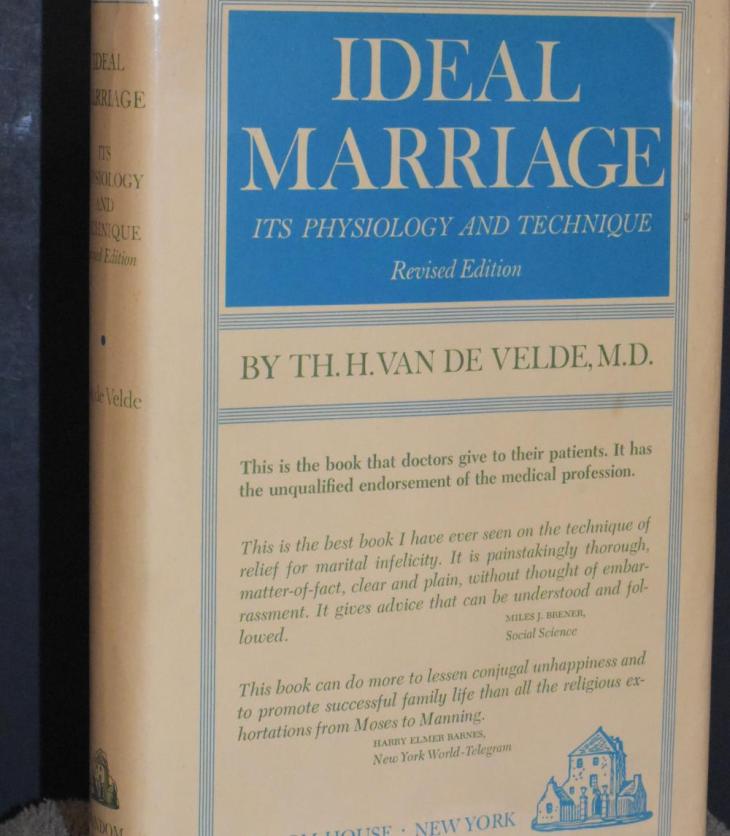
That need for a map—to marriage? To love? To sex? To life?—seems to have dominated the lives of my parents, who vied for their analyst’s attentions like children for that of a favorite babysitter.
(nonfiction)

“If you want to be a writer, you get to be one forever. Sometimes that means big chunks of time where you are not building sentences because you’re living the experiences that you’re going to build the work out of. So drop the shame about it,” Megan Stielstra tells Barbara West.
(interview)
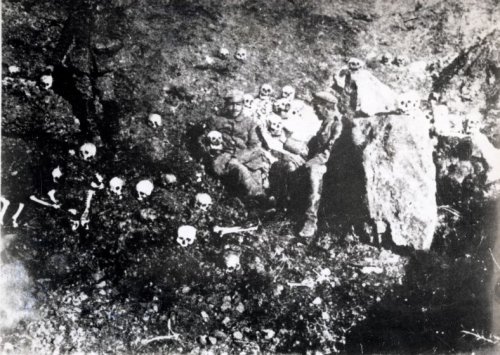
If my father wanted me to know about Armenia, why hadn’t he said, “Here, Peter, read this,” or “Son, did I ever tell you what happened to Armenia?”
(nonfiction)
My job is this: be what the others are not.
(drama)

Most of the lies were about my mother, but I only learned about the lies years later at my mother’s deathbed
(fiction)
“Can we go to your place?” I asked at the coffee shop after he said that Blue Nights was Didion’s magnum opus. I argued in favor of Magical Thinking but he said the most feverish hallucinations of grief shone through her later work.
(nonfiction)
After the woman / tells him how that first night really went. After months pass, / and this child is born. After this child’s first birthday, / first day of school, First Communion, first love, / first loss, first child, that child’s first introduction to Grandpa.
(nonfiction)

I watched the bag disappear around the corner. The wheels of the gurney creaked in the distance.
Are they always so handsome? I wanted to ask.
(fiction)


Her suffering fits right into the camera.
(fiction)

“Faces”
“In Contemplation of an ‘Ornamental’ Banana Tree on the Grounds of a Resort While Vacationing”
“Antoine’s Graft”

“A Quiet State After Some Period of Disturbance”
“Exalted or Worthy of Complete Devotion”

“I often wondered about the effect of living with no windows.”
(fiction)

“Firing Squad, Convergence, Jackson Pollock”
“Metronome Maple & Betye Saar”


“A Late Exam at the River Lethe”
“Palinode”
“Canto XXXIII”
“Canto XXXVI”
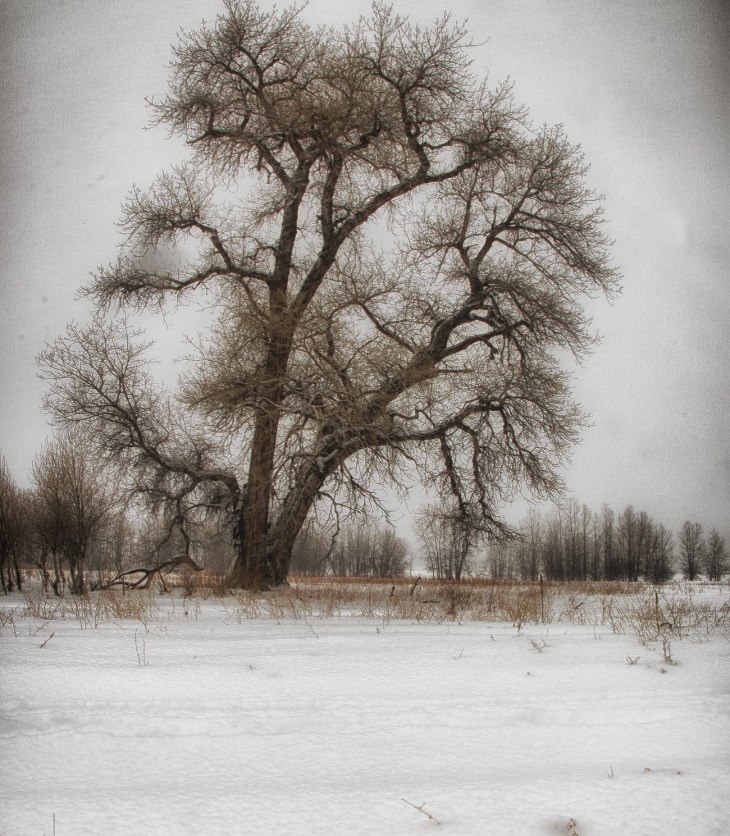
From up where we were, we hadn’t noticed the defeathered bird corpses littered down below…This friendly bird graveyard was never swept away, probably to teach us all a moral lesson. (TCTC translations/nonfiction)

You grow very sleepy. / Then, like a breached ship / on a darkening sea, / you slip out of sight.

Every day she must locate herself, / as her neighbors need not who can lean on a world of words. / Poetry is a land she must not enter / is she is to keep her abandonment complete. (Jewish poetry)

teach me to hold truth between my teeth / like a hard lump of Russian sugar, / suck in the sweetness of integrity / with every sip of strong black tea (Jewish poetry)
We ask for bread and are not / satisfied. We ask for stone / and sand runs through our fingers. (Jewish poetry)
That’s how it is with my kind: our own body betrays us / our own tongue turns us in to the authorities. (Jewish poetry)

 Another Chicago Magazine