
little teeth of pinion, / gears of language / spinning in your mouth
(poetry)

little teeth of pinion, / gears of language / spinning in your mouth
(poetry)

“I did not live any of my life in a literary community. Holding an array of different jobs for almost thirty years, I used to think I could publish my resume as a novel,” Sari Rosenblatt tells Avani Kalra.
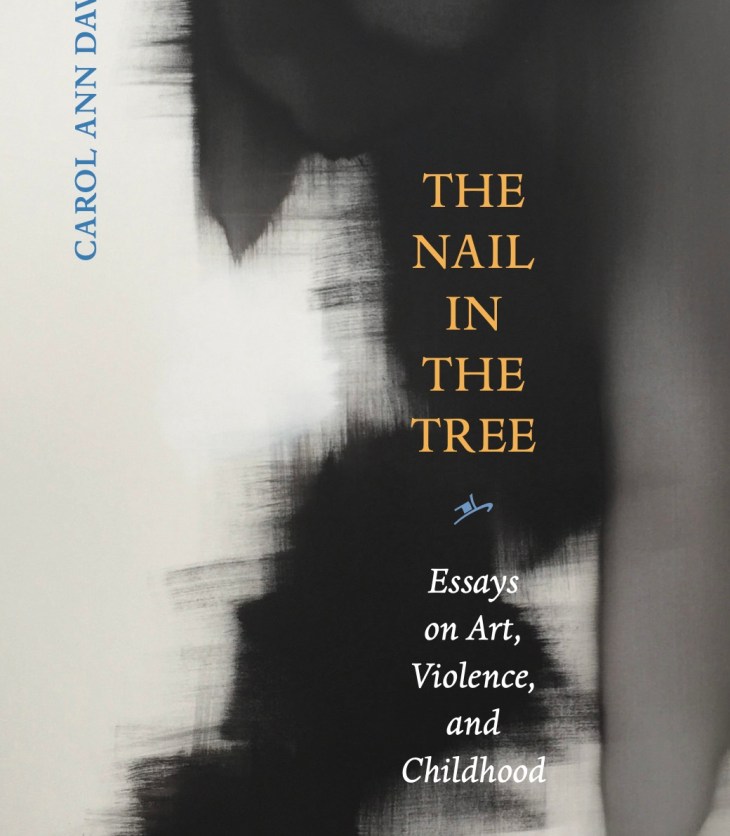
“Carol Ann Davis makes us ache in these essays and lets the quiet moments explode within our hearts,” writes reviewer S.T. Brant.
(nonfiction reviews)

On our / walk the hound and I / noted something fecund.
(poetry)

What are the whereabouts of this babble of tongues, / this suicide flight of words, / this hermit-crab that is my story? (poetry)

Only the life of a human being has meaning, but we cannot decide what that meaning is.
(nonfiction)
Years passed. The joke continued. So did the dustings.
(nonfiction)

Malé is now the besieged capital of the submerged Maldives, built up precariously on the ruins of oil tanks and docking derricks, apartment blocks and concrete breakwaters.
(fiction)

Walking changed her.
(nonfiction)

Who knew so many people needed relationship advice from lawyers?
(drama)

several layers of antagonism stare at us / amidst a squabbling paradox or cannibalism.
(poetry)

I could pretend I didn’t watch at least a thousand hours of television since March, but I’m sure I did. I mean, how many walks can a person take? (nonfiction)

Her keys might have opened the church, and she the one to serve sponge fingers like death.
(The Loop)


“The great achievement of Cracked Piano is that its poems present psychological pictures of a person in loneliness,” writes reviewer John Zheng. (poetry reviews)

She spends her days tending the grapes, and she runs a little gift shop in the village . . . Now that she’s simplified her relationships with people, she seems even healthier, even more herself.
(fiction)

It was deemed very unfeminine to play the bridegroom . . . Girls would tease you and provoke you like a real bridegroom and laugh at your expense.
(fiction)
You waltz in here, a first-time patient, and act like we owe you something.
(drama)

Out west, we get our sunlight second hand, / when the East has settled the business of the day.
(poetry)

So now what are we going to do?
(nonfiction)
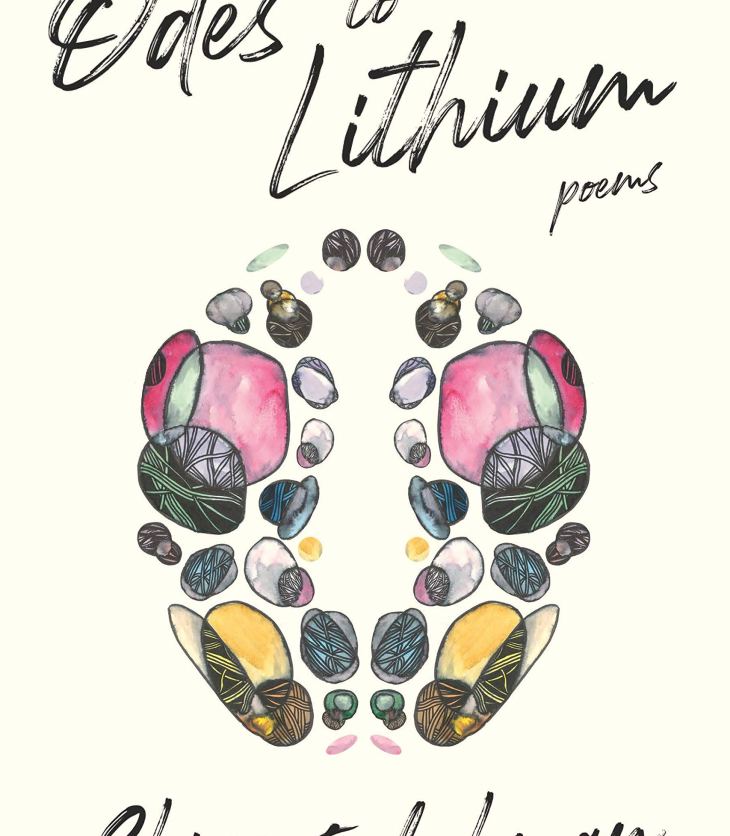
“Mental illness is not trivial, not something that should be easy to write or read or talk about, and it’s important that she included elements . . . that might come off as excessive or overwhelming,” writes reviewer Hannah Page.
(poetry review)

The invisible turns home into battlegrounds and destroys the romance between man and woman. These details never make it to history books.
(nonfiction)

With boys comes a lot of stress. You worry about how you can buy him his own place, or you worry about who he’ll bring into your house.
(fiction)

A cacophony of voices inquiring, wanting to disentangle the mysteries of the tattoos like hieroglyphs, pictograms.
(fiction)

The last traces / of what I have lived, / of what I have loved, / are vanishing at the mercy of the wind.
(poetry)

“The poet’s love-hate relationship with her laptop becomes fully realized in ‘Off the Web,’ as too much time on the internet leads to feeling ‘my dress / gather headwinds and swirl, then lift
like / Marilyn’s over a grate,'” writes Richard Holinger.
(review)

My brother, sister, and I climbed the steps of the fire escape at the local hospital, and our dad opened the door from the inside as we snuck into our mother’s room one by one, all too young to officially visit our mother.
(nonfiction)

Weird fantastic beings of a / Super-intelligence. Ruling a race of synthetic humans / and pitting them against mankind’s dream.
(poetry)

You did not talk politics, except / to tell me we were being watched.
(poetry)

What’s wrong with circles? What shape is your wedding ring?
(drama)
 Another Chicago Magazine