Everything has its “sleeves,” I think, has its crap that just dangles there and overcomplicates things, even people, even me, especially me, or my mother for god’s sake, or my finances, or my body, good lord, and the same holds true for the city, I think.
(fiction)
Well, we were summoned for a bit of smiting, but you see the smitees really aren’t to our taste. It’s like the takeout place sent the wrong order. These little deviants would be perfect for the Shebears, but your father said to remind you they’re at their class tonight, so they can’t come.
(Drama)
The universe is expanding, a voice reported. Bits and particles of it are shooting out from some
ancient central point like sparks from a Roman candle, and some day, when all the expanding
glowing bits of matter in our universe have stretched themselves out tight like a rubber band, instead of it all coming roaring back to the center, as we’d thought, the universe may instead simply continue to expand. So any parting of ways could be permanent.
(fiction)
All right, yes, but the statement, that’s the important thing, the statement that is being made. To render gender meaningless, that is my purpose.
(drama)
I might have pounded on the door or tried to break the window or loudly insisted on the key. And I might have awakened an angry, unbalanced and much stronger man.
(nonfiction)
It was a space where his Swahili was adequate—he only needed to know numbers and how to say nashuka hapa or command shika when paying the conductor. He liked the feeling of anonymity yet knowing the system.
(fiction)
“Colorado”
“Arkansas”
(poetry)
Transit Authority regulations required drivers, young and old, to wear bland gray ties around the collars of our bland gray uniform shirts in addition to gray regulation sweaters and jackets, but after checking in for our routes for the day and transfer books many of us hotshots replaced our ties with tropical bandanas as a way of putting a little color into the city’s frequent gray days.
(nonfiction)
I became an English teacher to help students feel a bit less lonely in the world through the literature we read. Identifying with other characters who also were lonely, like Juliet, sometimes seemed to work. How odd it must seem that one’s isolation might dissipate when reading about someone else feeling lonely, but there it is.
(nonfiction)
Women & Children First bookstore opened November 9, 1979, in Chicago. Chelsey Clammer writes about working there from 2006 to 2011, where she healed, sold books, and did Burlesque.
(nonfiction)
Earlier I heard the server compare ube’s flavor to marshmallows, which irritated me. I didn’t like how my homeland sweet was reduced to something as common as marshmallows. It is so much more.
(fiction)
In a sense, post-truth and post-Trump, MAD’s cynically absurd reality has replaced our “reality-based” world. Its outsider and jaundiced view of media, institutions, and those who’ve “made it,” has become de rigueur in American culture.
(nonfiction)
I had a long, marginally successful career for someone so young and talentless.
(The Loop)
When Owlet was two years old I ran across the phrase “a mother should tempt her child into the world.” Meaning that she should show her child how cool it is to be alive, how interesting it is, how inspiring. Something like that. And that’s probably a good idea. I’m trying.
(drama)
Someone at the SPCA created a Facebook page for Mittens in 2018, as a way of discouraging Wellingtonians from dropping him off at the shelter. “Mittens is not lost,” the page says.
(nonfiction)
“Thank god you weren’t injured,” people said after the Flashlight Man, but while I wait to get my cast off, many projects halted by my inability to type, I consider this: Was I injured back then?
(nonfiction)
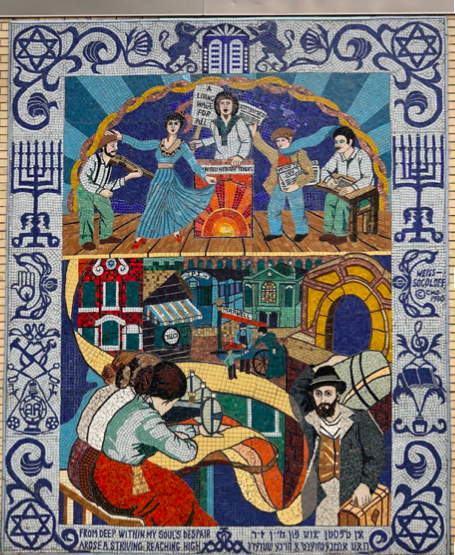
“I Like to Think That We Were Kind of Pioneers.” An Interview with Cynthia Weiss and Miriam Socoloff
“To actually physically be fixing broken things just felt like this is the only thing to be doing right now. It is our job as Jews to do tikkun olam–to repair the world.”
(interview)
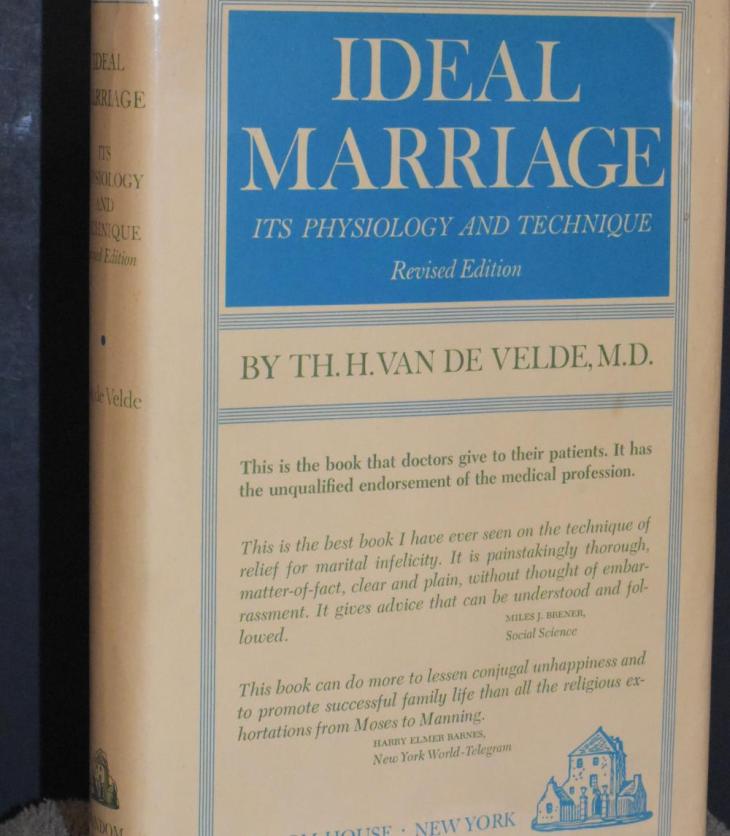
That need for a map—to marriage? To love? To sex? To life?—seems to have dominated the lives of my parents, who vied for their analyst’s attentions like children for that of a favorite babysitter.
(nonfiction)
Could it be this simple, to be a human man?
(fiction)
“The lesson in Moore’s father’s biography is that you don’t have to be deep in the bowels of the earth, buried upside down, gulping mouthfuls of excrement to be deep in Hell. You don’t even have to be dead; a few feet below the surface is enough. You just have to be riven with guilt and committed to numbing the pain,” writes reviewer David Gottlieb.
(nonfiction)
“If you want to be a writer, you get to be one forever. Sometimes that means big chunks of time where you are not building sentences because you’re living the experiences that you’re going to build the work out of. So drop the shame about it,” Megan Stielstra tells Barbara West.
(interview)
“Ellen H. Swallow Richards (1842-1911)”
“Jocelyn Bell Burnell (b. 1943)”
(poetry)