
It was a space where his Swahili was adequate—he only needed to know numbers and how to say nashuka hapa or command shika when paying the conductor. He liked the feeling of anonymity yet knowing the system.
(fiction)

It was a space where his Swahili was adequate—he only needed to know numbers and how to say nashuka hapa or command shika when paying the conductor. He liked the feeling of anonymity yet knowing the system.
(fiction)

“Colorado”
“Arkansas”
(poetry)

Transit Authority regulations required drivers, young and old, to wear bland gray ties around the collars of our bland gray uniform shirts in addition to gray regulation sweaters and jackets, but after checking in for our routes for the day and transfer books many of us hotshots replaced our ties with tropical bandanas as a way of putting a little color into the city’s frequent gray days.
(nonfiction)

When Owlet was two years old I ran across the phrase “a mother should tempt her child into the world.” Meaning that she should show her child how cool it is to be alive, how interesting it is, how inspiring. Something like that. And that’s probably a good idea. I’m trying.
(drama)
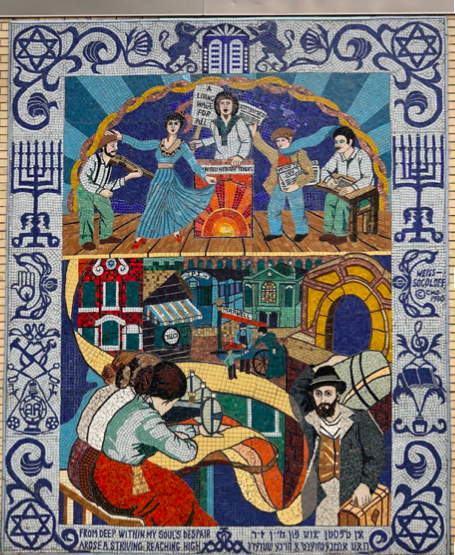
“To actually physically be fixing broken things just felt like this is the only thing to be doing right now. It is our job as Jews to do tikkun olam–to repair the world.”
(interview)
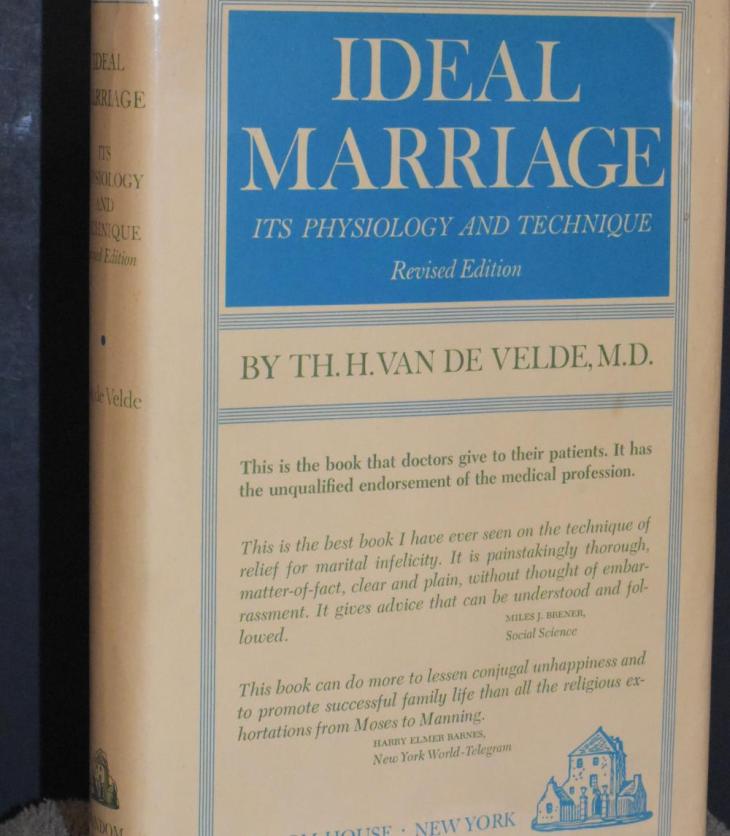
That need for a map—to marriage? To love? To sex? To life?—seems to have dominated the lives of my parents, who vied for their analyst’s attentions like children for that of a favorite babysitter.
(nonfiction)

Could it be this simple, to be a human man?
(fiction)

“The lesson in Moore’s father’s biography is that you don’t have to be deep in the bowels of the earth, buried upside down, gulping mouthfuls of excrement to be deep in Hell. You don’t even have to be dead; a few feet below the surface is enough. You just have to be riven with guilt and committed to numbing the pain,” writes reviewer David Gottlieb.
(nonfiction)

“Ellen H. Swallow Richards (1842-1911)”
“Jocelyn Bell Burnell (b. 1943)”
(poetry)

But now, years later, she has to find Judge sahib regardless. You see, Hope has no expiry date. It’s like foreign occupation.
(fiction, satire)

On their first date, my friend’s fiancée talked about her job. She’s a mortician. She prepares cadavers for a funeral, cremation, or whatever is decided. She cleans the cadavers and replaces their blood with pink embalming fluid. If she has to apply makeup, she does. She thinks of herself as an artist. She makes clean portraits. She said that word a lot. Cadavers.
(fiction)

Night:
#42
43
44
47
(poetry)

I was twenty-two in 1992. Death was all around me. Working at the community center was only my second or third job after college; I thought it was usual, even ordinary, for people who you worked with every day to die.
(nonfiction)


The translator was now bedeviled by even the simplest particles. Does “and” or “but” go better here? Periods and commas likewise became insurmountable hindrances, veritable lions in the road, guardians of the original meaning.
(fiction)

Mercury is in retrograde when we swear our blood oath, palms sliced with butterfly knives stolen from the Berkeley flea market. We promise to live fast and die young and press our bloody hands together, holding them still until they coagulate.
(nonfiction)

In the kitchen, the mixing of the ingredients was quite simple—the Aunt Jemima mix, eggs, and water. Not so simple was my grandmother raising her daughter’s two kids for ten years, her daughter having gone off to San Francisco to experience the cultural revolution of the sixties and seventies.
(nonfiction)

The Russian lived with his parents and grandparents on the other side of town in a tiny crumbling apartment near the library.
(fiction)

I get that’s what happens to her. But can a Korean man love a woman twenty years older?
(drama)

I watched the bag disappear around the corner. The wheels of the gurney creaked in the distance.
Are they always so handsome? I wanted to ask.
(fiction)


Her suffering fits right into the camera.
(fiction)

“Firing Squad, Convergence, Jackson Pollock”
“Metronome Maple & Betye Saar”

We ask for bread and are not / satisfied. We ask for stone / and sand runs through our fingers. (Jewish poetry)


 Another Chicago Magazine