
This week, ACM is posting poetry every weekday.
✶
Lessons of Reconciliation
“When the war is over,
you’ll have to reconcile,”
they hinted at first,
then said it directly
with a kind smile,
as if apologizing
for skinning me alive.
They brought up examples from world history
and wondered at my aggressive responses,
so ungrateful and inappropriate, in their opinion.
“History teaches us tolerance,”
they said.
“All wars come to an end,
and former enemies have to learn to co-exist
divided by only a fence,
just an arm’s length from each other.”
And they continued with more world history examples
where a victim lived happily ever after next to her executioner,
having forgiven and forgotten.
“Why do you have so much hate in you?”
they asked.
“God teaches us forgiveness,
and presumption of innocence is part of the human rights declaration.
Also, it’s irrational to give in to emotions when
life is getting more precious with each passing second.”
And the next moment
they changed the subject to prosecco prices,
having forgotten about me,
a representative of the people
who are starting to annoy everyone
with their stubbornness.
УРОКИ ПРИМИРЕННЯ
коли війна закінчиться
доведеться миритися
спершу натякали
а потім прямо казали вони
і мило усміхалися
наче вибачаючись за те
що здерли з мене шкіру по-живому
наводили різні приклади зі всесвітньої історії
а потім дивувалися агресії у відповідь
такій невдячній і недоречній на їхню думку
історія вчить нас толерантності
говорили вони
усі війни кінечні
і колишнім ворогам доводиться вчитися жити разом
через паркан
на відстані витягнутої руки
і знову сипали прикладами зі світової історії
коли жертва щасливо доживала віку поруч зі своїм
катом
пробачивши і примирившись
звідки в тобі стільки ненависті
питали вони
бог вчить нас пробачати
а презумпція невинуватості закріплена в декларації прав людини
до того ж нераціонально піддаватися емоціям в час
коли життя щосекунди дорожчає
і за мить
перемикалися на розмову про ціни на просеко
забувши про мене
як про представницю нації
що починає вже дратувати своєю
впертістю
Lessons of Historical Continuity
Boys
who were drawing blue and yellow hearts
for soldiers at the frontlines
only yesterday,
signing their drawings with clumsy childish scribbles
“Come back alive”
or
“Glory to the heroes”
suddenly grew up now
and went to war too.
Now they are waiting for drawings
from other boys
who are still playing their little toy wars
in the courtyards of burned-out apartment buildings,
listening for mom to call them home,
or for the air raid siren.
Boys
who never got the time to play Nintendo Switch
and fight in imaginary worlds
for their imaginary lives
are now fighting for real
holding on for dear life
in villages and under the cover of tree lines
they never learned about in geography lessons.
They were never taught to kill
in pre-military training
but that skill—
which they learned on their own—
is now key to survival,
since grownups have fucked up
all their history lessons.
Boys
who were not born for war
know nothing now
but its clingy, predatory embrace
where they sink into sleep
wrapping themselves in their sleeping bags
like a mother’s placenta
while the historical continuity of
our fight for existence
routinely goes on
and the war lures new and newer boys
into its claws.
УРОКИ ІСТОРИЧНОЇ ТЯГЛОСТІ
Хлопчики
які вчора малювали солдатам на війну
жовто-блакитні серця
і підписували їх кривим дитячим почерком
повертайтесь живими
або
героям слава
сьогодні виросли
і самі пішли на війну
сьогодні вони чекають малюнків
від інших хлопчиків
які ще грають у свою іграшкову війну
у дворах обгорілих спальних районів
прислухаючись
чи не кличе додому мама
або сигнал повітряної тривоги
хлопчики
які не встигли нарубитися в нінтендо світч
у вигаданих світах
за свої вигадані життя
рубаються тепер по-справжньому
не на життя а на смерть
у селах і посадках
про існування яких їм не розказували
на уроках географії
їх не вчили вбивати на уроках дпю
проте саме це уміння
здобуте самотужки
тепер найголовніше
через просрані дорослими
уроки історії
хлопчики
не народжені для війни
не знають нічого іншого
крім її хижих цупких обіймів
в яких вони й засинають
загорнувшись у спальник
мов у плаценту матері
поки непомітно й буденно триває
історична тяглість боротьби
за існування
а війна кличе в свої обійми
нових і нових хлопчиків
✶✶✶✶

Anna Antonova is a literary scholar, translator, and assistant lecturer at the University of Alberta, Edmonton, Canada. Her latest translation projects include Antonina Tymchenko’s Cape of Good Hope (published in Kharkiv, Ukraine, in 2024) and Natalka Marynchak’s poetry collection Vidchayespynne (English title TBD, forthcoming in 2025).
✶
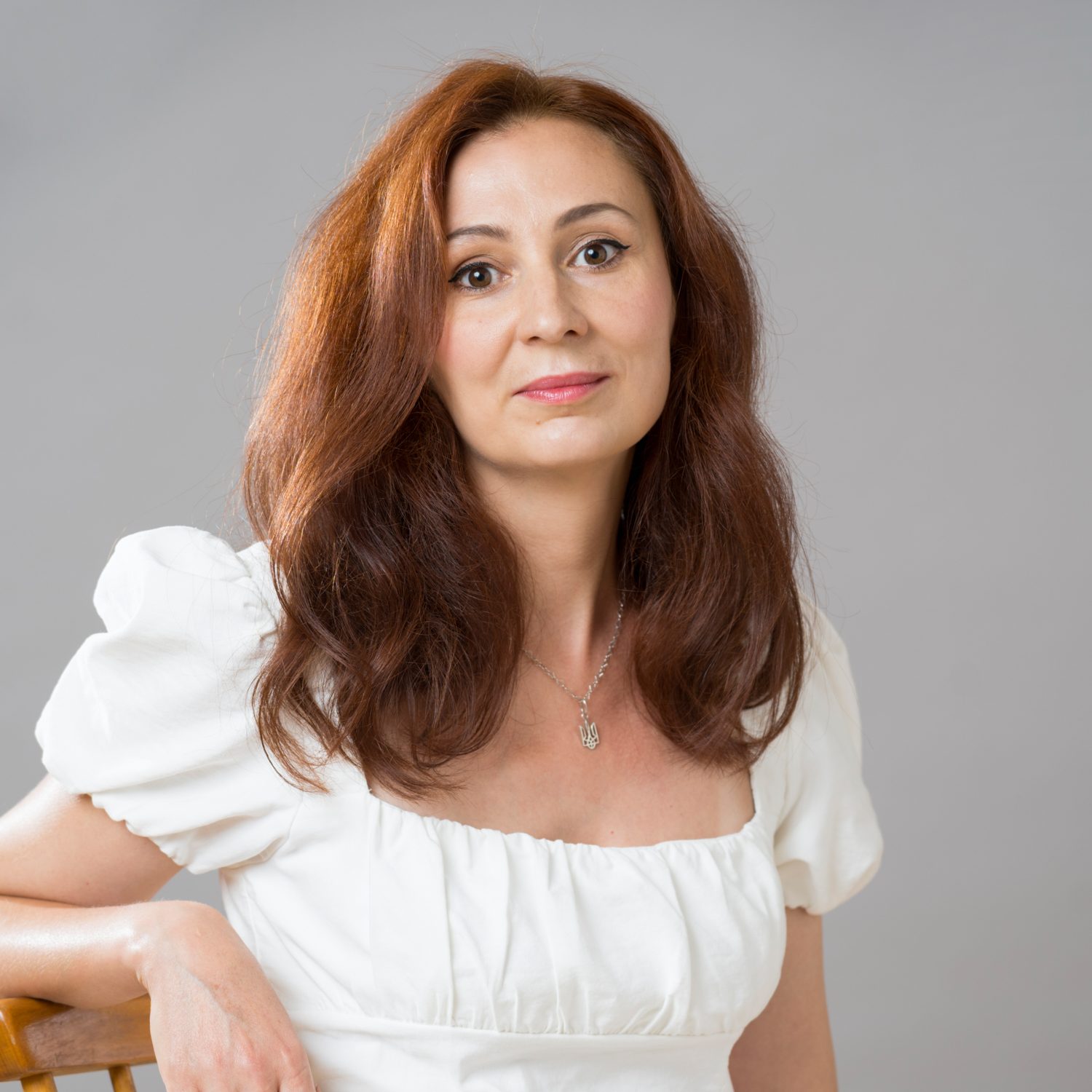
Yuliia Iliukha is a Ukrainian poet, writer, and journalist from the Kharkiv region of Ukraine. She is the author of two novels, The Eastern Syndrome and Zero, short story collections The Sky Catchers, Teach Me to Dream, and My Women (translated into six languages), poetry collections Graphomaniac Poems and Das letzte Ahornblatt, along with several books for children. Her poetry and prose have been translated into dozens of languages. Iliukha is a recipient of numerous awards, including the International Ukrainian-German Oles Honchar Prize for Literature, the award from the International Literary Contest “Word Coronation 2018,” the 128 LIT International Chapbook Prize 2023 (USA), Rotahorn-Literaturpreis 2024 (Austria) and BBC Book of the Year 2024 (Ukraine). Her collection of short fiction My Women was shortlisted for EBRD Literature Prize 2025.
✶
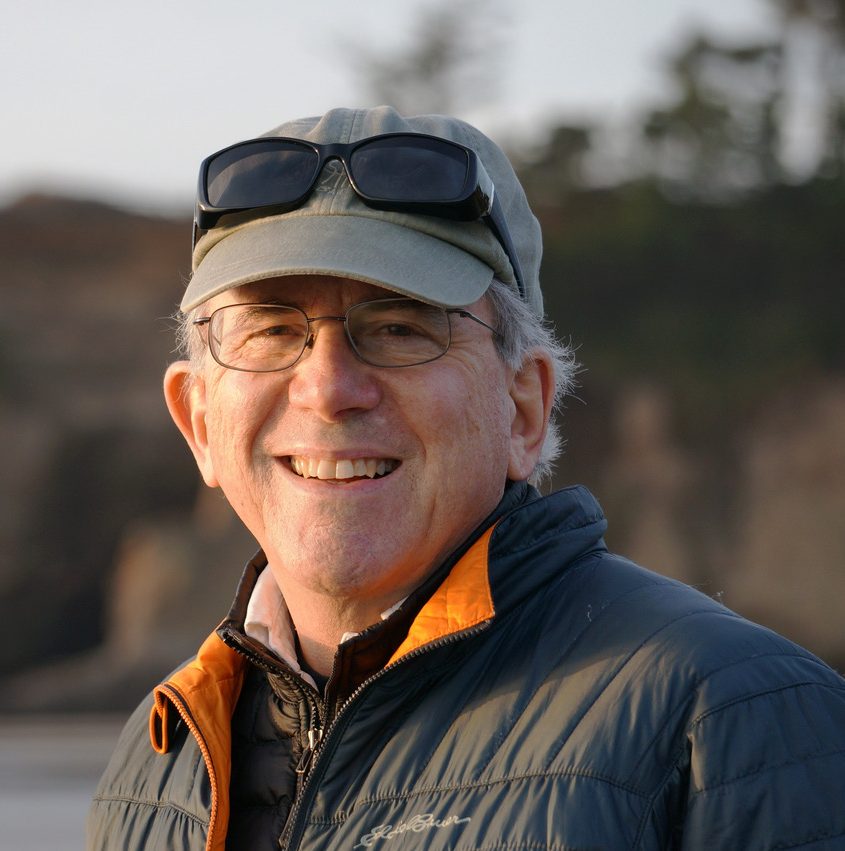
David A. Goodrum, photographer/writer, lives in Oregon. His photography has graced the covers of several art and literature journals, most recently Cirque, Willows Wept, Blue Mesa, Red Rock, The Moving Force, Snapdragon, Vita Poetica, and appeared in many others. He’s showcased his photography at juried art festivals in cities such as St. Louis, Cincinnati, Ann Arbor, Indianapolis, and Madison. His intent is to capture images that might instill in others a sense of calm and tranquility, creating a visual field that transports you away from hectic daily events and into a place that delights in an intimate view of the world.
✶
Whenever possible, we link book titles to Bookshop, an independent bookselling site. As a Bookshop affiliate, Another Chicago Magazine earns a small percentage from qualifying purchases.
 Another Chicago Magazine