Look! Look! Look! The dance
of these albatrosses in a sea, heaviness
like the iceberg of a frozen era!
(poetry)
Tag: Poetry
The boy in the black carriage listens.
Solo in flight the starlings have no message.
They fly. He listens.
(poetry)
The book takes a historical view of global conflicts — namely World War II and the Cold War — and Lamantia’s reactions against the imperial war machine, both in the United States and within globalized systems, emerge as a precursor to the apocalyptic themes often present in Western poetry.
(reviews)
the opening of a cut grape
the butterfly
if it were to lightly rest upon the extremity of the grape
and pretend to drink
if it wasn’t drinking
what was to be done then?
I would have to
improve how well I see, with these eyes
improve how well I hear sounds
and so, employing my hands
I noticed
the smallest of movements
(translations)
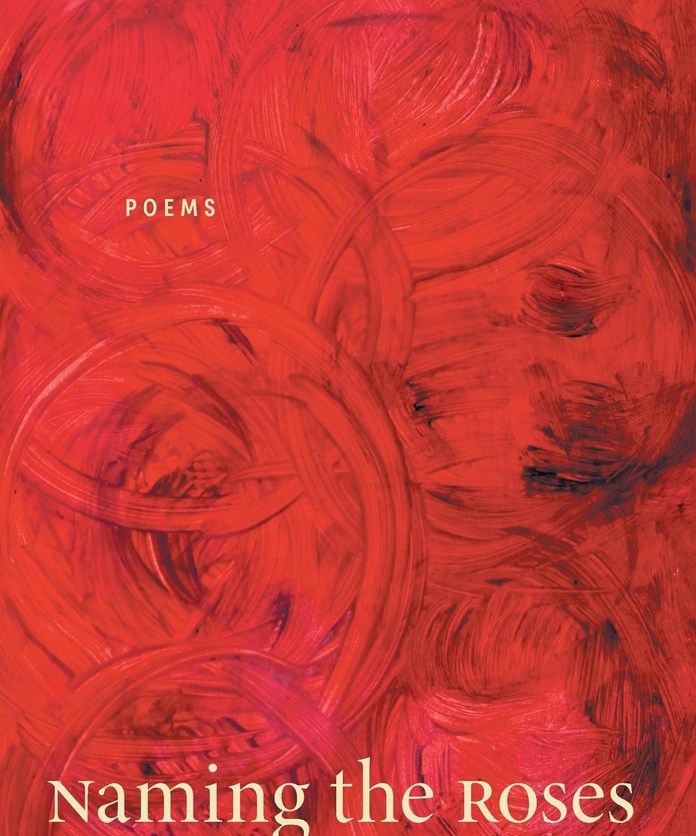
The poems in Naming the Rose draw from vulnerable, autobiographical elements mixed with the obliviousness of those around the speaker. The two-sectioned poem “The Light of Day” contrasts loving memories of pumpkin carving by the speaker’s daughter with the fear of the speaker-mother as her partner and the father of her daughter, “drunk,” “too drunk,” “rid[es] down the highway at 90 miles an hour” with “a huge stolen pumpkin on [her] lap.”
(reviews)
This collection of poems explores the fracture of a marriage after a secret is revealed—a husband’s closeted homosexuality, at odds with his religious upbringing and the life he has built. Set against the pastoral backdrop of stables and gardens, canning jars and roving horses, tether & lung traverses the landscape of loss and longing with striking vulnerability.
(reviews)
I am sorry to say this, but what if You made a mistake?
What if You took the wrong kid?
I heard You took two more kids today from Askar’s middle school.
Are the soldiers working for you?
(Palestinian Voices/ fiction)
The latest in our FORTHCOMING series of excerpts from new and recent books:
Every night I read
My country’s history
of profit wrung from working people
and before dawn I burn my shoes
“What do you know of killing a child?” Medea shouted, her voice trembling with the hereafter. The woman bowed her head, circling endlessly over rocky ground, stacking stones, whispering absence and omission as her weapons, searching for forgiveness that would never come.
(translations)
Can violence be made into beauty? Can beauty be used to dignify the stain of violence? Sloan seems to suggest so, perhaps, by conceiving of Ophelia’s body as part of nature—indistinguishable from it.
(reviews)
This week, ACM is posting poetry every weekday.
wait, things improve, around every corner is a prize.
Let’s go back to that track and crush pine needles
with our heels. Crush our watches too.
(poetry)
This week, ACM is posting poetry every weekday.
we’d just torn out not the eyes but the reflection in the eyes
while culture hanging on the media’s fangs was dying there
no more tongue-in-cheek now and above the vulgarity of
doing cartwheels thinking thus to prove its legitimacy
doesn’t the assassin push forward by brandishing his knife
(poetry/translations)
This week, ACM is posting poetry every weekday.
See? I’ve been frank, while the TV keeps beaming images–you yelling at the cop dragging you away: Don’t take me away yet; but the cops keep manhandling you, smash your spectacles, your black skin shines with sweat.
(poetry)
This week, ACM is posting poetry every weekday.
And they continued with more world history examples
where a victim lived happily ever after next to her executioner,
having forgiven and forgotten.
(poetry/translations)
This week, ACM is posting poetry every weekday.
I’d tell you to be careful, that everything here is lousy with history, from the first megafaunal
extinctions to those buffalo carcasses rotting in heaps after the last of our Transcontinental
massacres.
(poetry)
Shiki wrote haiku—tens of thousands of haiku—elevating himself to the immortal ranks of Bashō, Issa, and his personal hero, Buson. However, Shiki did not want to go back to the past and its masters; he wanted to reinvent what he believed was a dying art.
(reviews)
Kateri Menominee is the ninth and final Native voice we are publishing in our series collected by Mark Turcotte.
You watch your aunt unbutton a rabbit carcass
and you feel the vocal folds of your dark throat
contract descend a dark ache in your belly
to swallow a language ripped from another
(poetry)
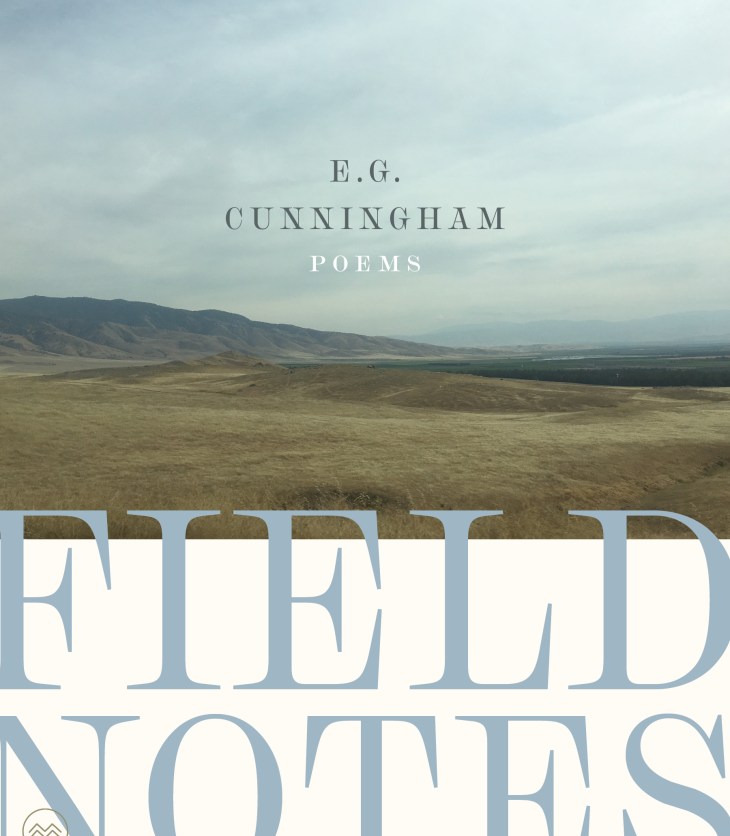
The book, at its core, follows the speaker’s daily journeys along a rugged mountain road over the course of a year, with the gravel thoroughfare and its environs serving much the way Thoreau’s Walden Pond once did— fueling reflections on humanity in general, and the present moment more specifically.
(reviews)
Part of a series of Native poetry collected by Mark Turcotte.
Springtime is for the seeds and letting light into the home our spirits live in. We prep the soil for the ones who sleep there. Summer picks berries for playtime.
(poetry)
This week, ACM is posting poetry every weekday.
even baby’s breath is weary and stale
in their nostrils falls the hail
the country’s black men sent to jail
(poetry)
This week, ACM is posting poetry every weekday.
You are forced to think very formally, very
philosophically, Someday a siren will come for you,
and you hold your breath, rub your eyes, roll
with a groan to flick on the late Late Late Show.
(poetry)
This week, ACM is posting poetry every weekday.
One guy said I looked like Queen Elizabeth in it,
so I wore it everywhere, led entrances
with hip swishes and a smirk,
blasted “Flagpole Sitta” in my headphones
because it was my baddie girl-esque era.
(poetry)
This week, ACM is posting poetry every weekday.
Despite what you may think,
I am comfortably phallic.
I wonder if your punchline
can live for two hundred years,
burrowing through human muck
and blood and flushed tissues.
(poetry)
This week, ACM is posting poetry every weekday. This is the first.
through my brother’s bedroom door, the expectations of manhood
complete: apology, sincerity, apology—take it and move on.
In my bedroom alone, shaking, I have prayed the old prayers too.
(poetry)
Part of a series of Native poetry collected by Mark Turcotte.
did you know trees grieve one another?
i wonder how long they hold grief in their bodies
i wonder how grief sticks in tree ring?
(poetry)
Part of a series of Native poetry collected by Mark Turcotte.
Your kitchen is transfigured, is wild rice soup and Lil Nas X
Your porch, a portal, re-applying lipstick
between each press to cigarette filters, to skin,
to handcheekforeheadjaw, to make sure you leave marks
(poetry)
And mirrored in the dilated,
upturned eyes, can you, she asks, see a room’s
bright window, panes of light. And can you see
how the selfsame light pours into us,
the shine of attention, of tenderness.
(poetry)
She used to talk nonstop, now she calls so little, asking strange questions. One time she asked him about that Wednesday morning in 1976. He was just fifteen then. She wasn’t even born yet! Crazy girl, cried over dead communists. What has she been doing in America? Countries kill their people all the time.
(poetry/No Place is Foreign)
Part of a series of Native poetry collected by Mark Turcotte.
I sat at his grave,
rearranging ever-present anger and decades old resentments into
drunken one night
stands, warring
with abstract and weak forgiveness.
(poetry)
This week, ACM is posting book reviews every weekday.
The book, at its core, follows the speaker’s daily journeys along a rugged mountain road over the course of a year, with the gravel thoroughfare and its environs serving much the way Thoreau’s Walden Pond once did— fueling reflections on humanity in general, and the present moment more specifically.
(reviews)