My sister is going on a limitless journey
Those flying blue atoms above us
Penetrating our hearts exactly like darkness
(poetry)
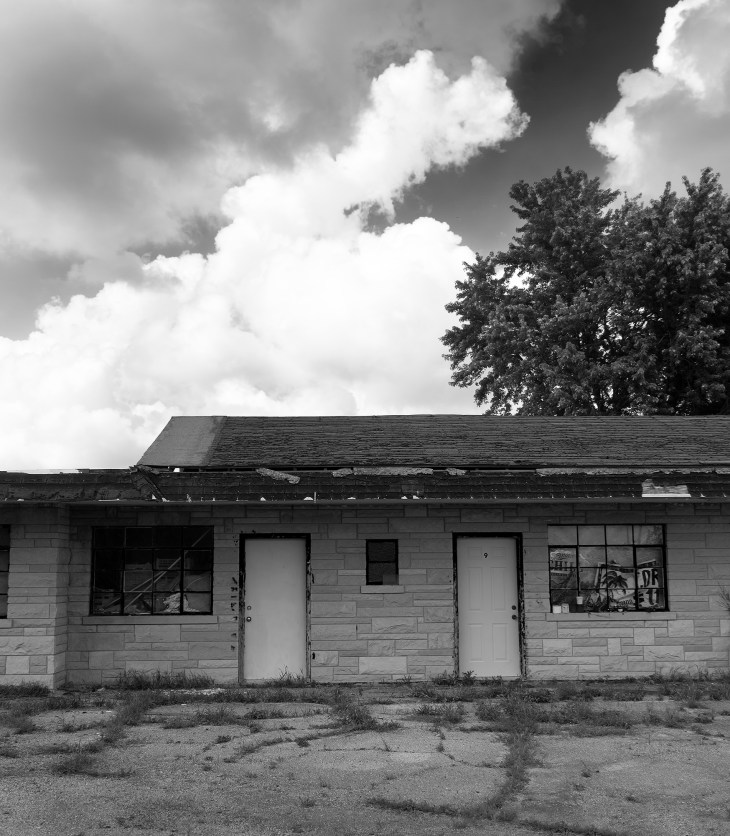

My sister is going on a limitless journey
Those flying blue atoms above us
Penetrating our hearts exactly like darkness
(poetry)

this, the poem i cannot
return to
this, the wholehearted
downpour
(poetry)
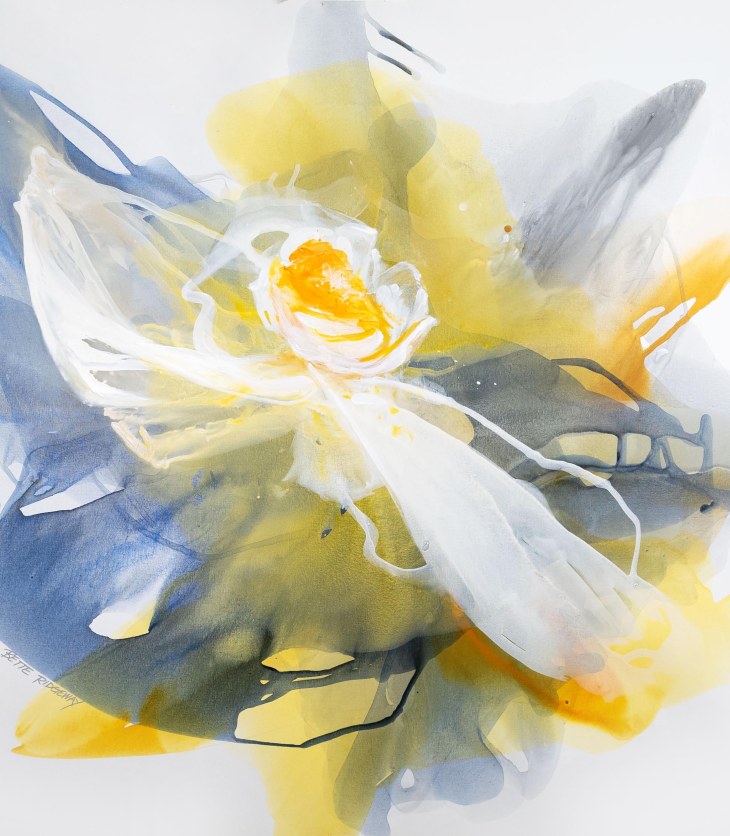
it was a hundred thousand miles safely tucked away
had been years since its teeth had tasted the lock of his mouth
when they murdered him
it didn’t break no it vibrated
changed from key to tuning fork
death does that you know
(Palestinian Voices)
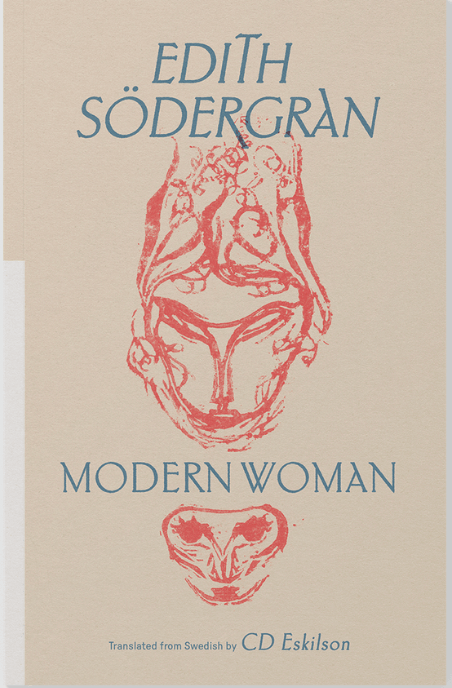
To read Södergran’s work today is to easily contextualize her voice within a feminist discourse, but it also defies being so neatly categorized. What makes her poems feel timeless is exactly their resistance to any niche delineation of time’s cultural productions.
(reviews)

The poems refuse to dramatize feeling when intimacy is already present, letting proximity, stillness, and ordinary action carry the weight. Moments of connection are often pared down rather than heightened. After intimacy is established through shared gestures—errand talk, side-by-side movement, unremarkable speech—“Greenlight” concludes simply: “Nothing much happened.
(reviews)
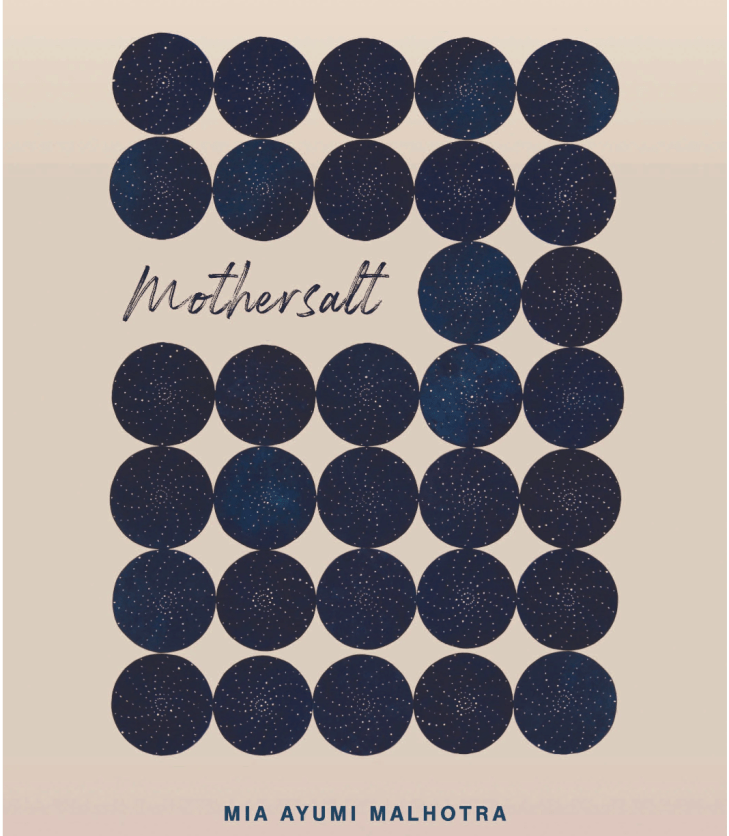
This identity transformation, and the inherent tensions of being a mother-writer, inform the poet’s search for a medium that can contain the impossibility of it all. Its pulsing, chimeric quality is reflected against, and through, the structure and constraints of poetry.
(reviews)
plant
a single seed
germinate
be
a lusty weed
die out
then again sprout
a life
(poetry)

The speaker’s estrangement from her parents and her ancestral culture carries over to relationships with lovers and friends. The book contains moments of broad and icy humor, which reflect uneasily on her difficulty in forming intimate relationships.
(reviews)
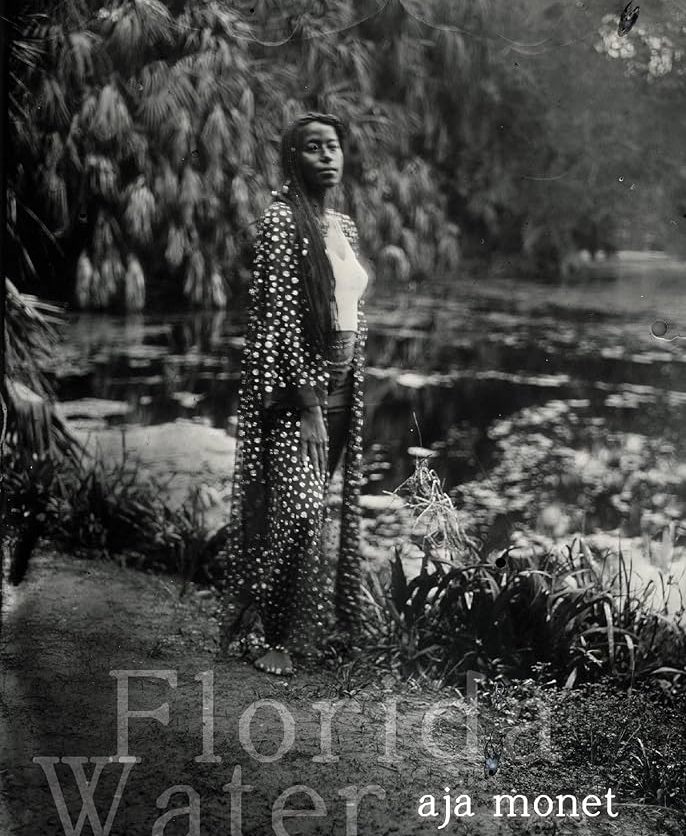
The government, monet notes, will try to spin a different narrative—that of the domestic terrorist, the outside agitator, the paid protestor. That’s why it’s important to write and share, to maintain the presence and livelihood of resistance.
(reviews)
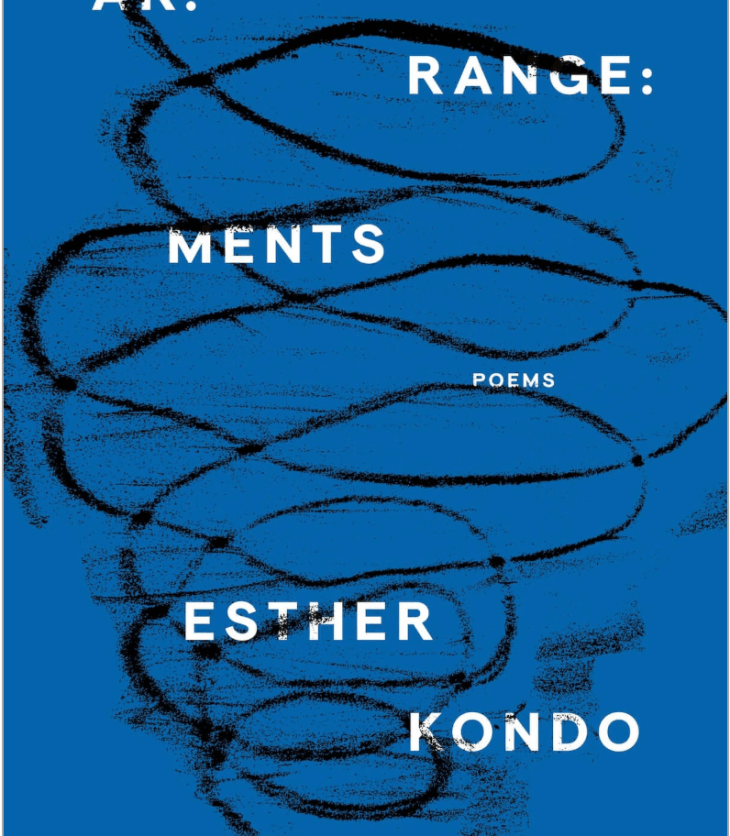
How does one write about the very things that defy language—things like loss, sorrow, not to mention potential words from the past that went unsaid? How does one convey language-defiant notions through language? For Heller, such linguistically impossible truths are conveyed with metaphor and story, but also with silences, approximations, and fragments.
(reviews)

