
You notice she doesn’t have her usual mom smell; she smells like orange trees and flower fields.
(fiction)

You notice she doesn’t have her usual mom smell; she smells like orange trees and flower fields.
(fiction)

Reviewer William Demaree writes: “These are not the typical ‘well-made’ short stories; teachers would have a bitch of a time using them to illustrate that old ‘exposition-rising action-climax-denouement’ paradigm.”
(review)
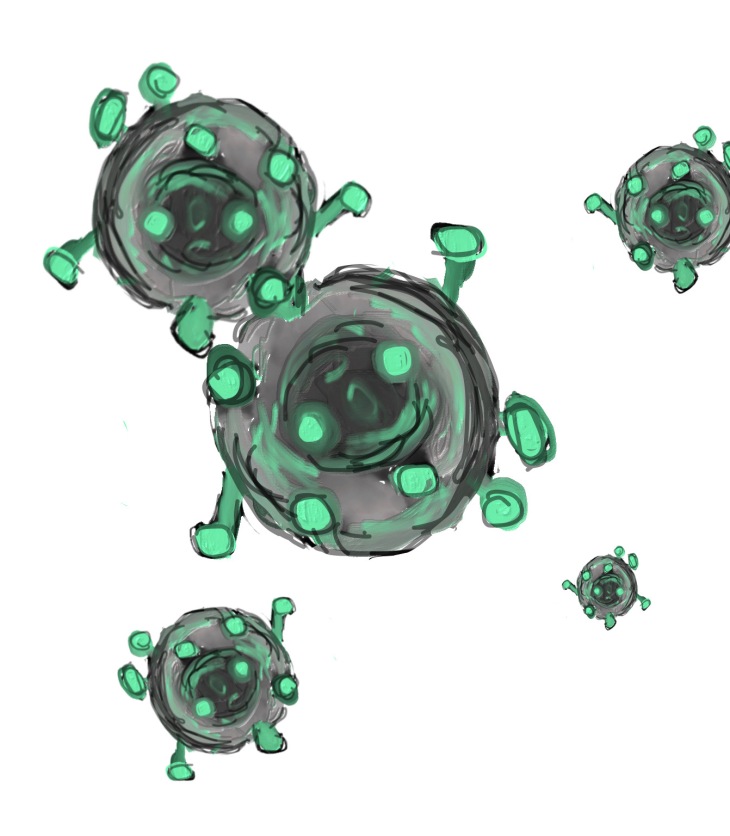
I never ever sent my kids to school hungry although they were a bit late sometimes.
(nonfiction)
We like our politicians to be bland technocrats, for obvious historical reasons, but that doesn’t mean they cannot occasionally inspire.
(nonfiction)
I found solace in that security guard’s enthusiasm, solace in Ayón’s work, and in the Chicago Cultural Center’s beauty.
(nonfiction)
“The process of reading the book took longer than usual for a variety of reasons, least of all a natural disaster and a pandemic,” writes reviewer Loie Rawding. “But I found myself returning each night to read a few pages and sink into a warm, if unsettling, darkness.”
(review)
Then I saw the effect the forced isolation was having on my wife.
(nonfiction)
We are talking about our lack of consistent showering, we are talking about our addictions and telling people our feelings.
(nonfiction)
For what do I need / this beautiful key? (poetry)
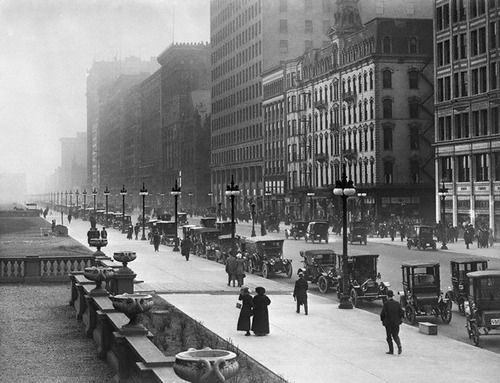
“Chicago has nothing to be ashamed of in comparison with New York.” (nonfiction)

“There is immense value in Ripatrazone’s book regardless of your faith,” writes reviewer S.T. Brant.
(review)
Downstairs, my grandparents argue over the TV’s low volume, their voices rising and falling like a muffled opera aria.
(nonfiction)

A visual counterpart to our Dispatches from a Pandemic series
To me it was like returning to a burning house to get just one more thing—though I was afraid of what I couldn’t see rather than any blinding smoke.

I loved her. But I never, ever felt close to her. The few times I tried to speak honestly to her as I struggled to understand how I’d come to see the world as I did, she was so hurt that it would have been cruel to persist.
(nonfiction)
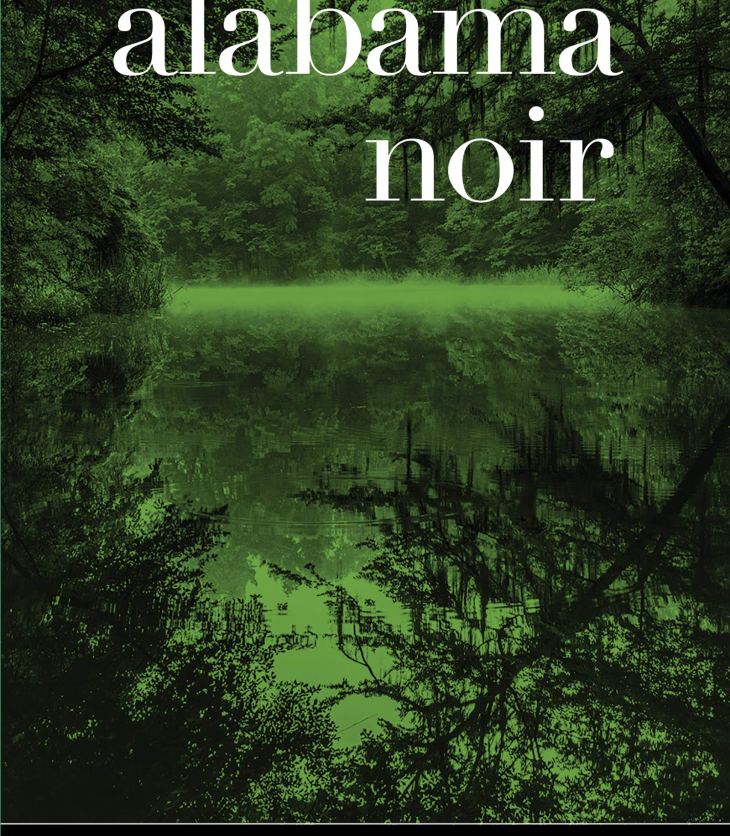
“Noir fiction is still responding to The Maltese Falcon,” writes reviewer Matt Meade, “still trying to figure out how to formulate that strange alchemy of crime, post-war malaise, sensitive street tough, and existential dread.”
(review)
The ground was frozen. Her body became the same.
(nonfiction)

We panicked all evening, clearing our throats, secretly gargling with hydrogen peroxide.
(The Loop)
“I’m doing fine. You just need to worry about me getting arrested for shooting one of these fucking turkeys who are buying up all the toilet paper.”
(nonfiction)

He went into the kitchen to look for the car keys, found them on the hook where she usually hung them, and put them in his pocket.
(fiction)
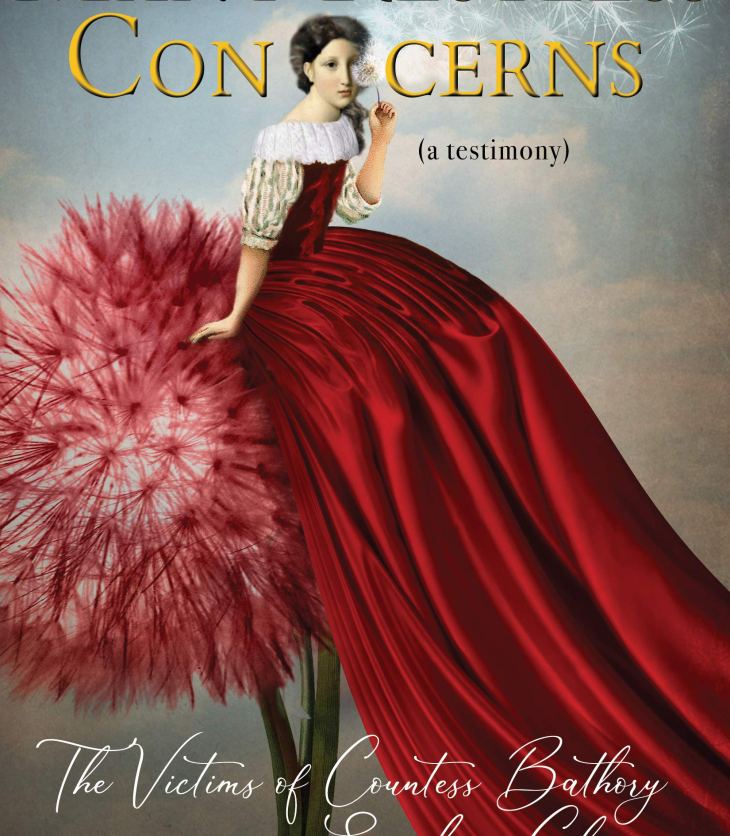
“For a book that is in many ways a ghost story,” reviewer Jesi Buell writes, “Brandeis removes the magical, fabled elements and makes the reader focus on the real-life consequences of violence committed against girls’ bodies.”
(review)
Maybe if I’m busy thinking about COVID-19, I won’t have room to think about the living, screaming person that will soon detach itself from my own person.
(nonfiction)
After all, as Camus reminds us, plague never really dies.
(nonfiction)
All night long I replayed the five minutes we had spent at this tourist attraction, trying to remember if I had gotten close to any strangers.
(nonfiction)
The men frequently give aliases; as simple as John Smith or as attention-seeking as Carlos Danger. She guesses that they believe her name to be an alias too.
(fiction)
My wife, who is usually in charge of buying groceries, seemed perplexed by some of my purchases for outlasting the apocalypse.
(nonfiction)
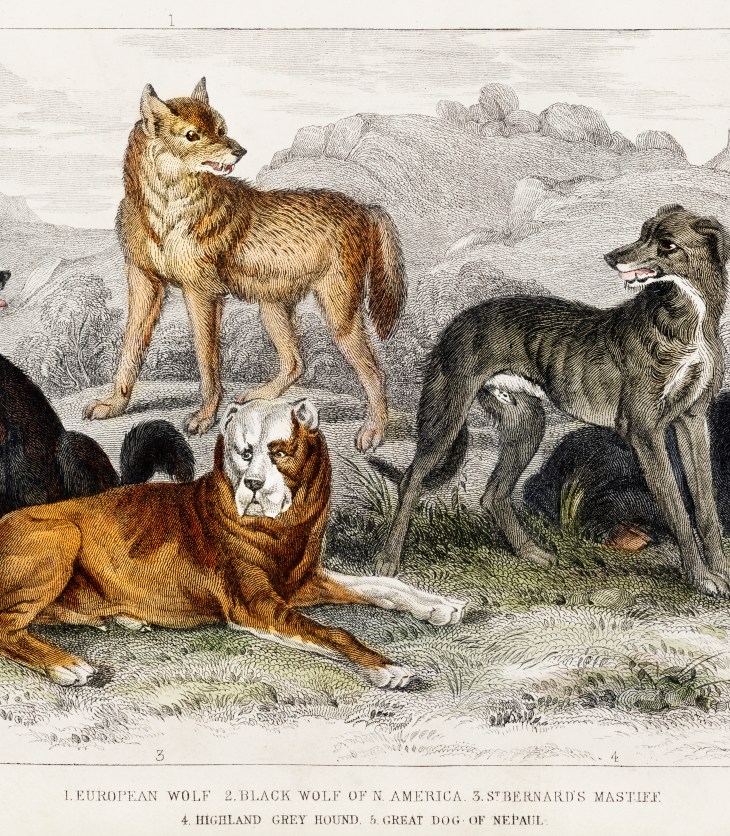
He wore a pair of faded bib overalls over a black NASCAR tee shirt, a red “Make America Great Again” hat, and held in one hand the electrician-taped handle of a bulging duffel bag and in the other, a leash attached to the pale pink, rhinestone studded collar of a doleful looking Harlequin Great Dane.
(fiction)
 Another Chicago Magazine