
Those who came to sell mushrooms
know that time and light
are ephemeral here
that’s why they’re in such a rush to offer their goods they unsheathe
and sharpen their hands
I too must hurry before the light pulls up its tents
and the horizon sinks into the depths of the stone church
I don’t know if it’s the best price for mushrooms
nor do I question the authenticity of what the Vietnamese are selling
I watch the hands that they use like scissors
from which I decipher syllables melodies
that I ponder
before deciding on a fistful of colors
with the reassurances of the little girl who repeats everything I say
and who in a single gesture whips up a bucket of mushrooms
that seem to breathe
People have warned me not to use my bad Finnish with the Vietnamese
they spend their time picking mushrooms in summer they take over the strawberries
now the darkness
No one understands my fear of this absence of light
to know everything
and understand everything
doesn’t guarantee I’ll be able to tell the difference between poisonous and edible
I’ll make do with the gentle accent of the Vietnamese
who offer a better price if I’m willing to buy the whole bag
Can you freeze mushrooms? Of course
everything gets frozen here
Los que llegaron a vender hongos
saben que aquí el tiempo y la luz
son efímeros
por eso se apuran en ofrecer sus mercancías desenfundan
afilan sus manos
también yo debo apurarme antes de que la luz levante sus carpas
y el horizonte se hunda en la profundidad de la iglesia de piedra
No sé si el precio de los hongos es el más justo
ni cuestiono la autenticidad de lo que los vietnamitas venden
Me fijo en sus manos que utilizan como tijeras
y de las que desprendo sílabas sonoridades
que medito
antes de decidirme por un puñado de colores
y la seguridad de la pequeña que repite lo que digo
y con una mano se hace de un balde de hongos
que parecen respirar
Me han dicho que evite practicar mi mal finés con los vietnamitas
se la pasan recogiendo hongos en verano se apoderan de las fresas
ahora de la oscuridad
Nadie entiende mi miedo a la falta de luz
saberlo todo
entenderlo todo
no me asegura que sabré distinguir lo venenoso de lo comestible
Me conformo con el dulce acento de los vietnamitas
que ofrecen un mejor precio si me animo a comprar toda la bolsa
¿Qué si se congelan los hongos? Por supuesto
aquí todo se congela
Zones
that I call rain forests
trees that close in on themselves in winter
the landlord keeps insisting
view of the Baltic
Estonia
weather permitting
the icebreakers will barely arrive when the landscape
freezes over
meanwhile a military submarine flutters in its windowless
world
I know that the people from the other balconies
the less fortunate
won’t be able to even imagine the sea
all they’ll get is this noisy coming and going of traffic
and the scorched smell of the forest drilling into itself
We aim for equality says the landlord even though the light
discriminates
I worry about the time
I’ll waste trying
to impress the owner of the apartment
until he decides to rent it to me
I pretend like I don’t even care that the old coal mine
across the street
will finish off my lungs reconstructed
with medicinal herbs from the Amazon
and a shred of faith
It also shouldn’t be an issue to have two crazy women
as neighbors
who drink until they fall down the stairs
though the landlord insists that it’s only their words
that tumble and crash
every weekend
and I have to pretend like nothing is happening
There are honorable people living in this building says the landlord
it’s the sun that discriminates
The landlord suggests
perspective
vision of the future
buy
a view of the sea
and not of the dirty clothes that multiply
threads of loneliness in the sky
high walls that my daughter will have to jump over
to get to the other side
Zonas
que llamaré bosques lluviosos
árboles que en invierno se encerrarán en sí mismos
el casero repetirá convencido
vista al Báltico
Estonia
si la nubosidad lo permite
los rompehielos apenas llegarán cuando el paisaje
se congele
mientras tanto un submarino militar aletea en su mundo
sin ventanas
Sé que los de los otros balcones
los menos favorecidos
no llegarán ni a imaginarse el mar
para ellos está reservado este ruidoso ir y venir de autos
y el olor chamuscado del bosque que se taladra a sí mismo
Pretendemos la igualdad dice el casero aunque la luz
discrimina
Me preocupa el tiempo
que pasaré tratando
de impresionar al dueño de este piso
hasta que decida alquilármelo
Finjo que no me importa que la vieja mina de carbón
de enfrente
acabe con mis pulmones reconstruidos
con yerbas medicinales de la Amazonía
y un hilo de fe
Tampoco debería ser un gran problema tener de vecinas
a dos locas
que beben hasta dejarse caer por las escaleras
aunque el casero insista en que son solo sus palabras
las que ruedan
cada fin de semana
y yo debo fingir que nada ocurre
En este edificio vive gente honorable dice el casero
el que discrimina es el Sol
El casero aconseja
perspectiva
visión de futuro
comprar
una vista al mar
y no ropa sucia que multiplique
hilos de soledad en el cielo
altos muros que tendrá que saltar mi hija
para ir al otro lado
✶✶✶✶
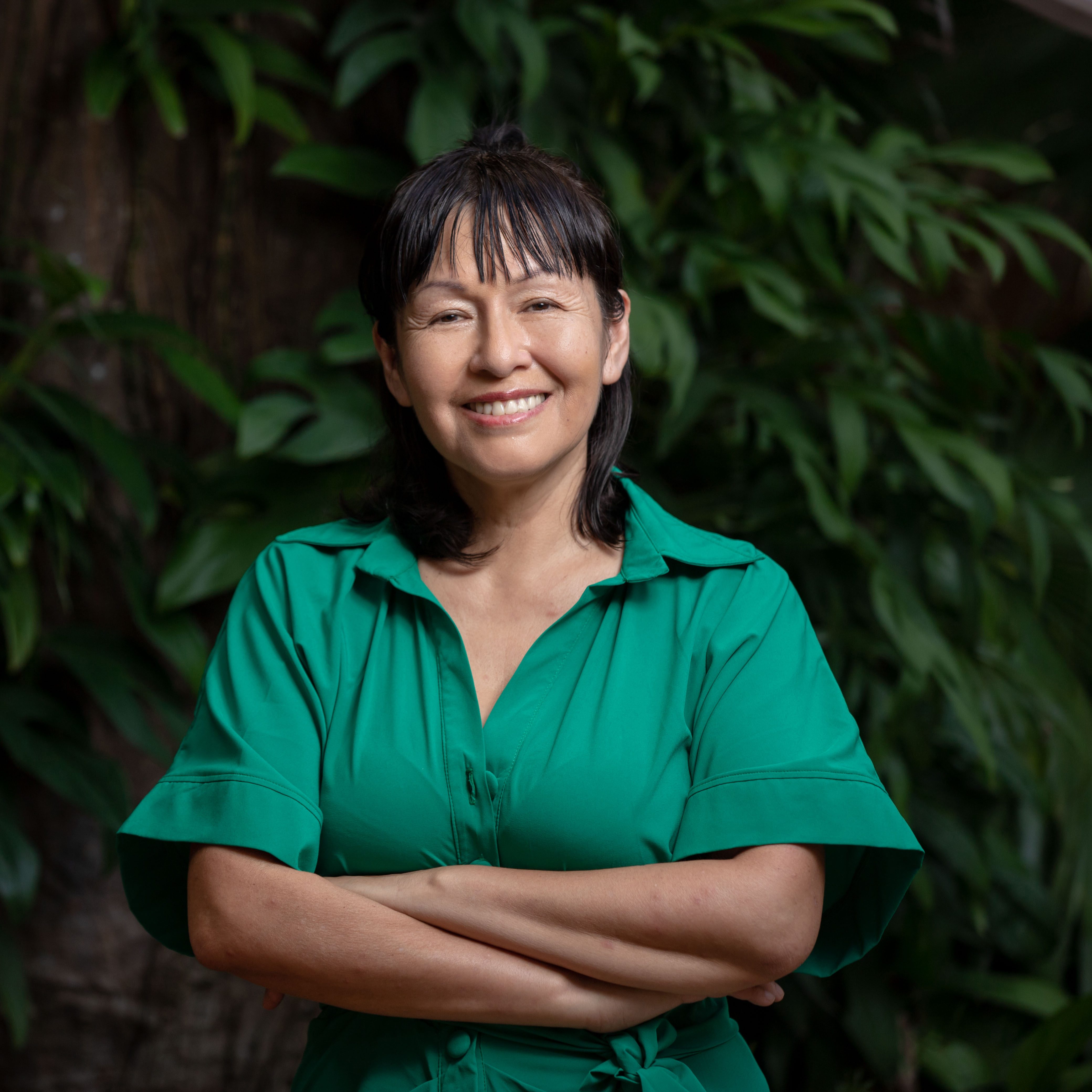
Roxana Crisólogo is a Peruvian poet, translator, and cultural promotor whose books of poetry include Abajo sobre el cielo and Dónde Dejar Tanto Ruido (2023). Crisólogo is the founder of Sivuvalo Platform, a multilingual literature association based in Helsinki. She was president of the association of Finnish leftist artists and writers, Kiila. She lives and works in Helsinki.
✶
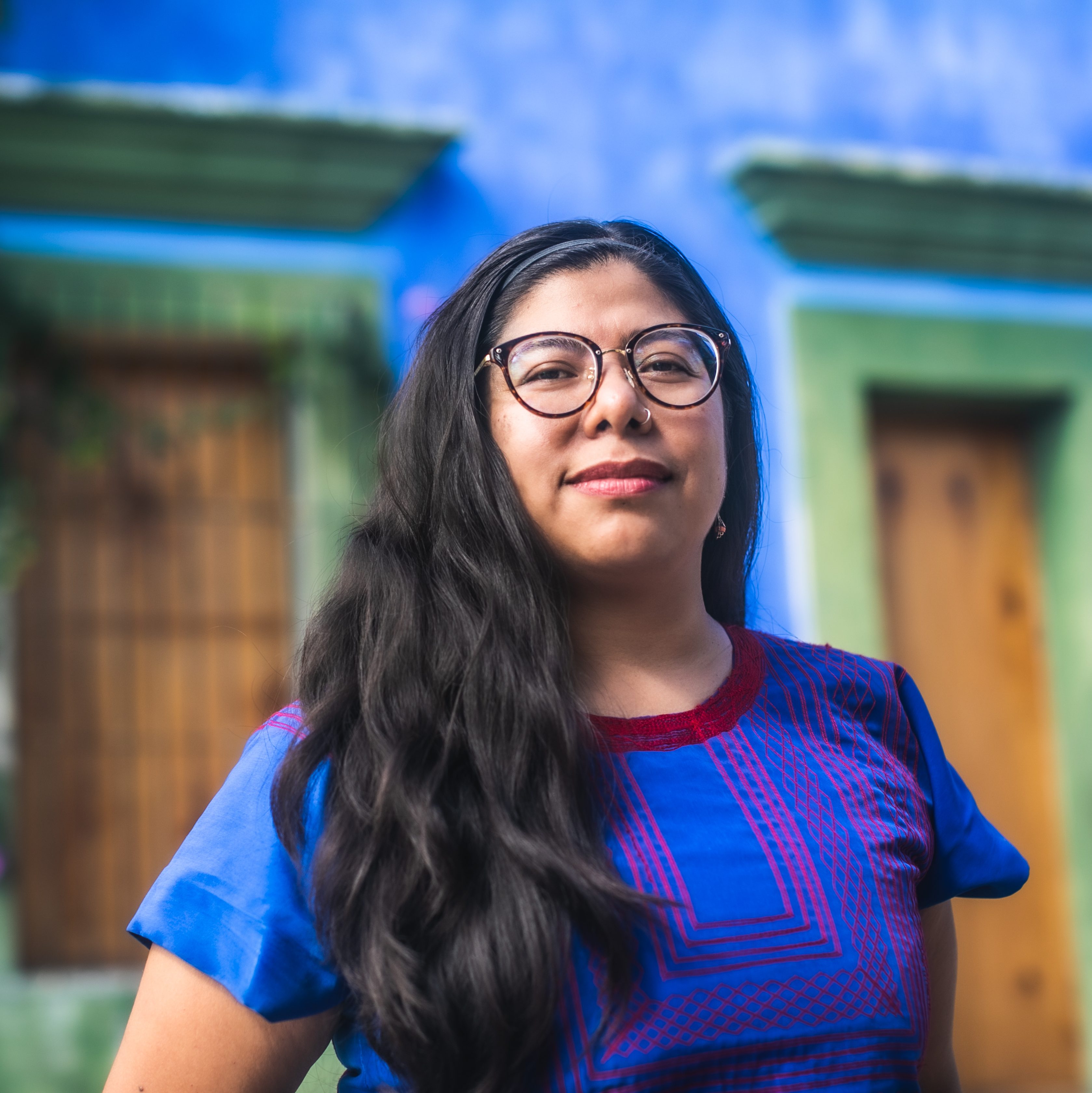
Judith Santopietro is a Mexican writer who was awarded the writing residency at the International Writing Program at the University of Iowa in 2022. She has published two poetry collections: Palabras de Agua and Tiawanaku. Poems from the Mother Coqa. Ilana Dann Luna’s translation of Tiawanaku was a finalist for the 2020 Sarah Maguire Prize. Santopietro has published in the Anuario de Poesía Mexicana 2006, Rio Grande Review, and The Brooklyn Rail, among many others, and has also participated in the PEN America’s World Voices Festival in New York in 2018. She is currently writing a novel on indigenous migration in the US, and a documentary poetry book on forced disappearance in Mexico.
✶
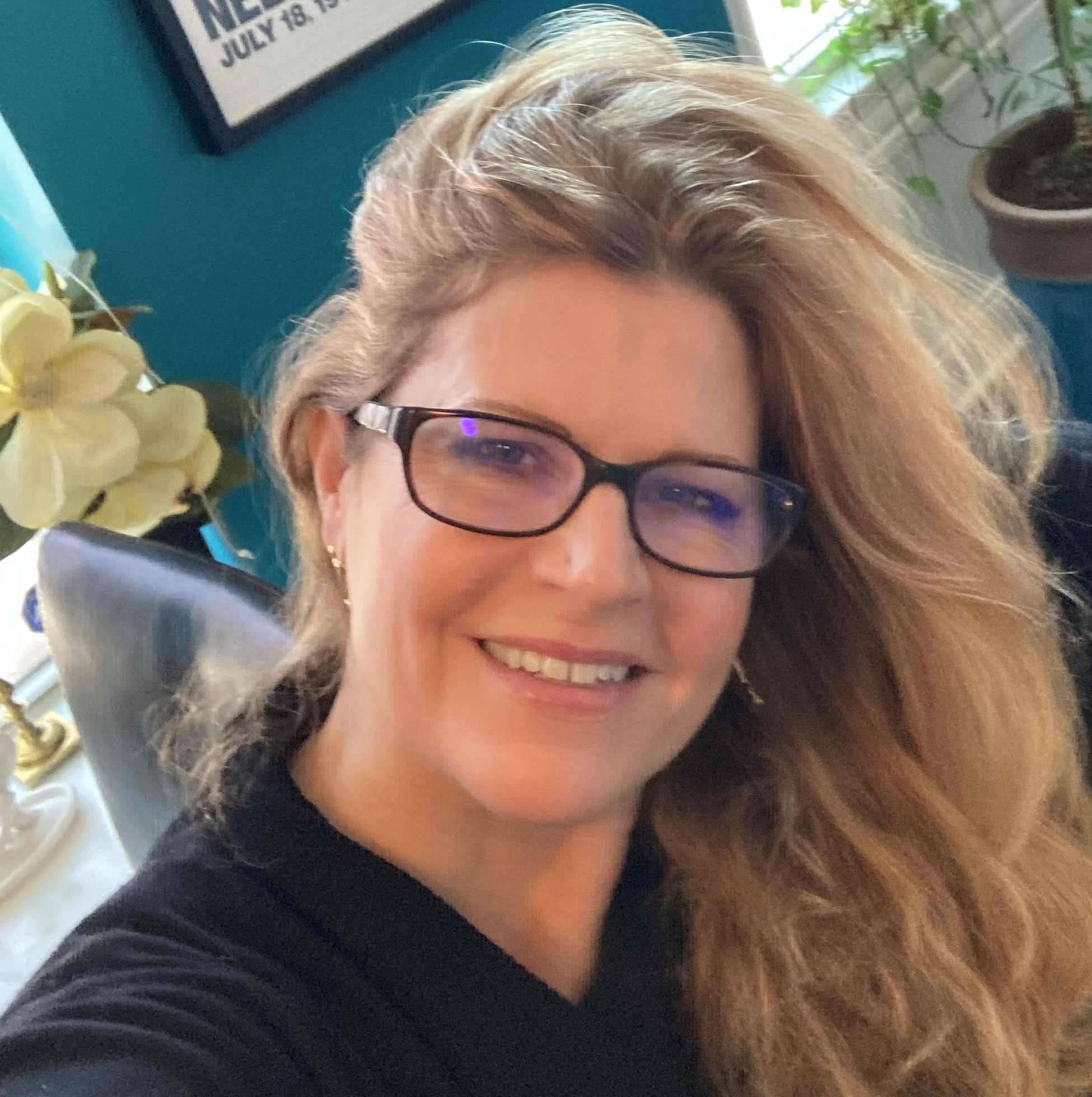
Dr. Kim Jensen is a Baltimore-based writer, poet, educator, and translator who has lived in California, France, and Palestine. Her books include an experimental novel, The Woman I Left Behind, and two collections of poems, Bread Alone and The Only Thing that Matters. Active in transnational peace and social justice movements for decades, Kim’s writings have been featured or are forthcoming in Gulf Coast, Boulevard, Anthropocene, Consequence, Modern Poetry in Translation, Arkansas International, Decolonial Passage, Transition: The Magazine of Africa and the Diaspora, Anomaly, Extraordinary Rendition: Writers Speak Out on Palestine, Gaza Unsilenced, Bomb Magazine, Sukoon, Mizna, Intifada, Mondoweiss, Left Curve, Liberation Literature, and many others. In 2001, she won the Raymond Carver Award for short fiction. Kim is currently professor of English and creative writing at the Community College of Baltimore County.
✶

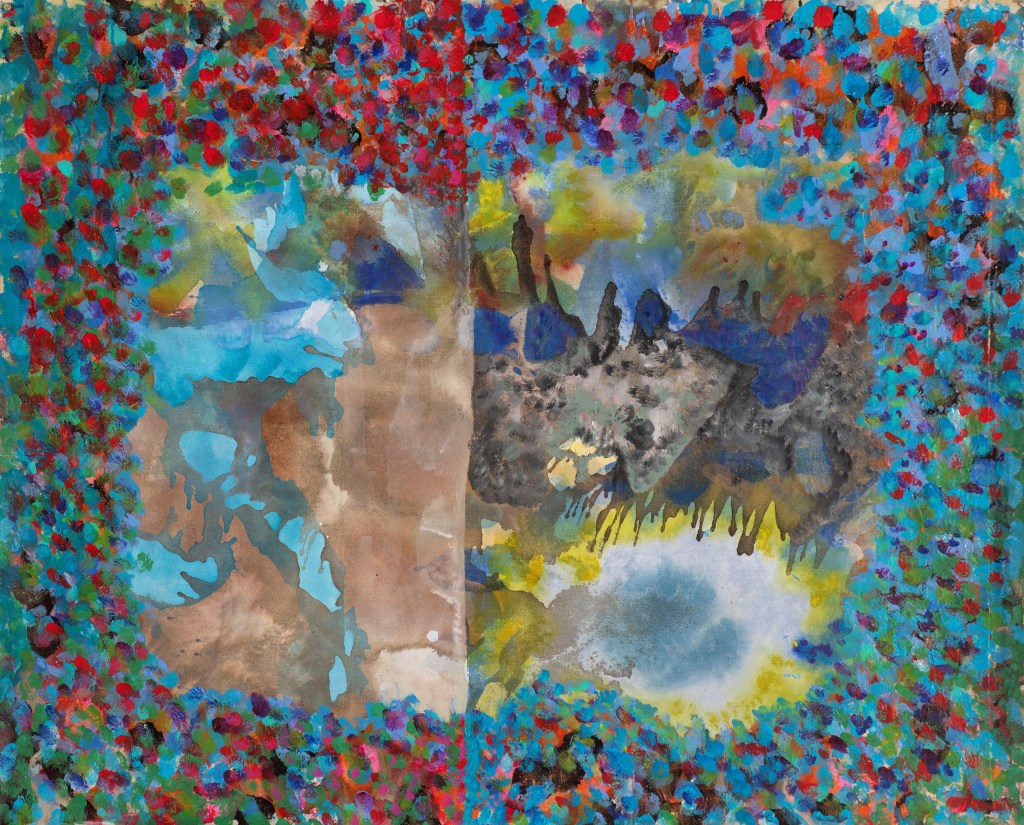
Brian McPartlon (Schenectady, New York, 1948) attended the School of Visual Arts in New York. Recent and upcoming exhibitions include Pie Projects, Santa Fe and the International Art Museum of America, San Francisco. Press includes LandEscape Art Review, Magazine 43, Dream Noir, Arkana, and Pasatiempo.
✶
Whenever possible, we link book titles to Bookshop, an independent bookselling site. As a Bookshop affiliate, Another Chicago Magazine earns a small percentage from qualifying purchases.
 Another Chicago Magazine