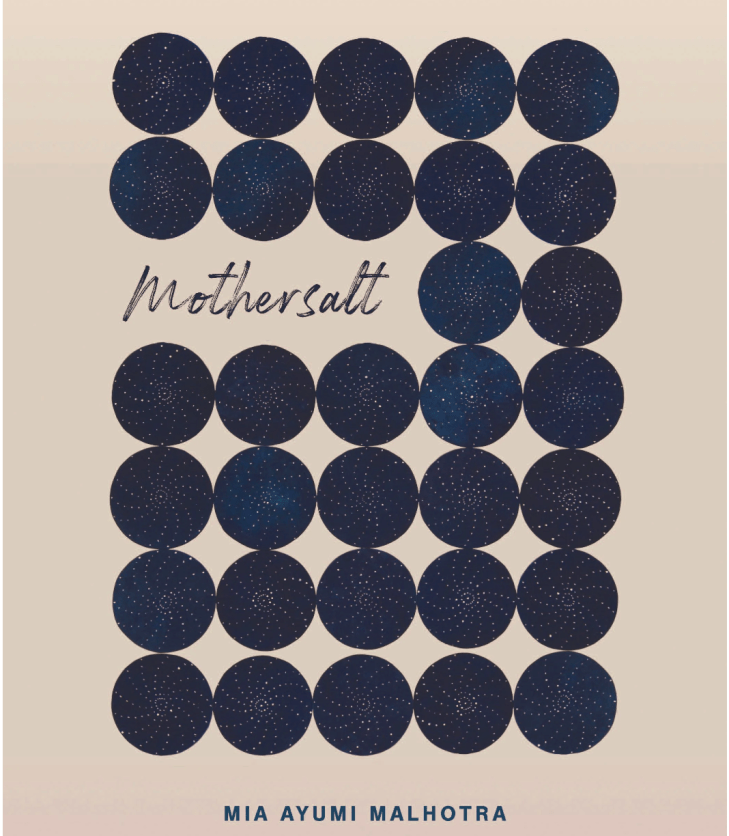
This identity transformation, and the inherent tensions of being a mother-writer, inform the poet’s search for a medium that can contain the impossibility of it all. Its pulsing, chimeric quality is reflected against, and through, the structure and constraints of poetry.
(reviews)
Tag: Review
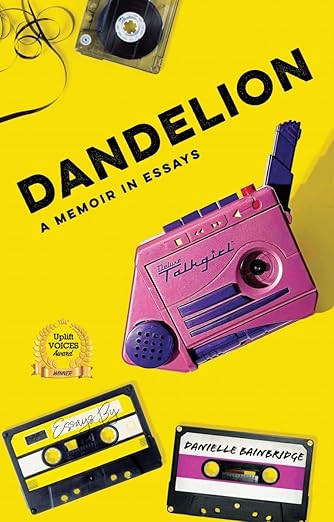
As an act of space-making, Dandelion is a forum for Bainbridge to let memories reverberate and echo across a “sprawling archive of emotions.” And speaking of archives (and archivists), as a stylist, Bainbridge’s writing deserves comparison with the rhythms and cadences of Carmen Maria Machado.
(reviews)
The speaker’s estrangement from her parents and her ancestral culture carries over to relationships with lovers and friends. The book contains moments of broad and icy humor, which reflect uneasily on her difficulty in forming intimate relationships.
(reviews)
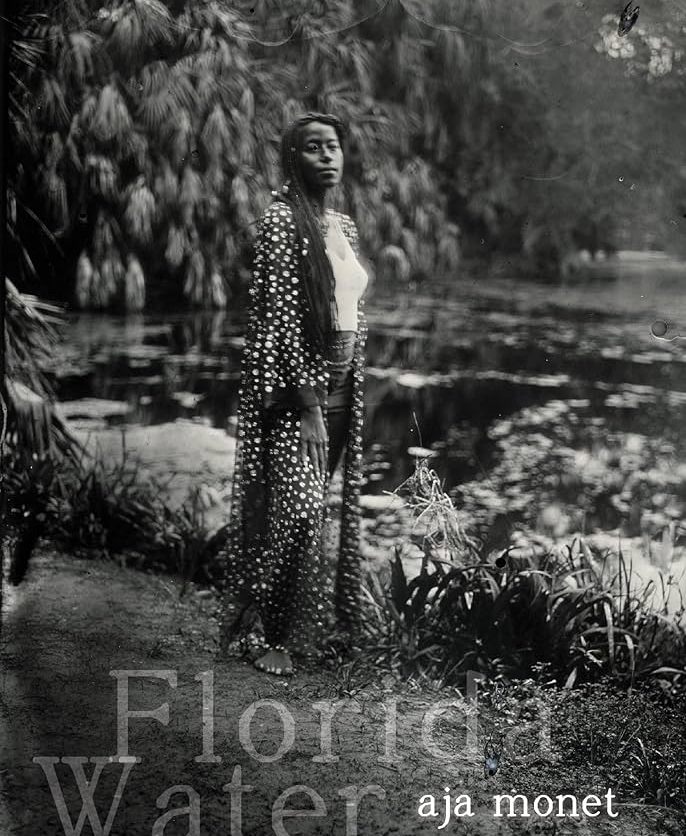
The government, monet notes, will try to spin a different narrative—that of the domestic terrorist, the outside agitator, the paid protestor. That’s why it’s important to write and share, to maintain the presence and livelihood of resistance.
(reviews)
How does one write about the very things that defy language—things like loss, sorrow, not to mention potential words from the past that went unsaid? How does one convey language-defiant notions through language? For Heller, such linguistically impossible truths are conveyed with metaphor and story, but also with silences, approximations, and fragments.
(reviews)
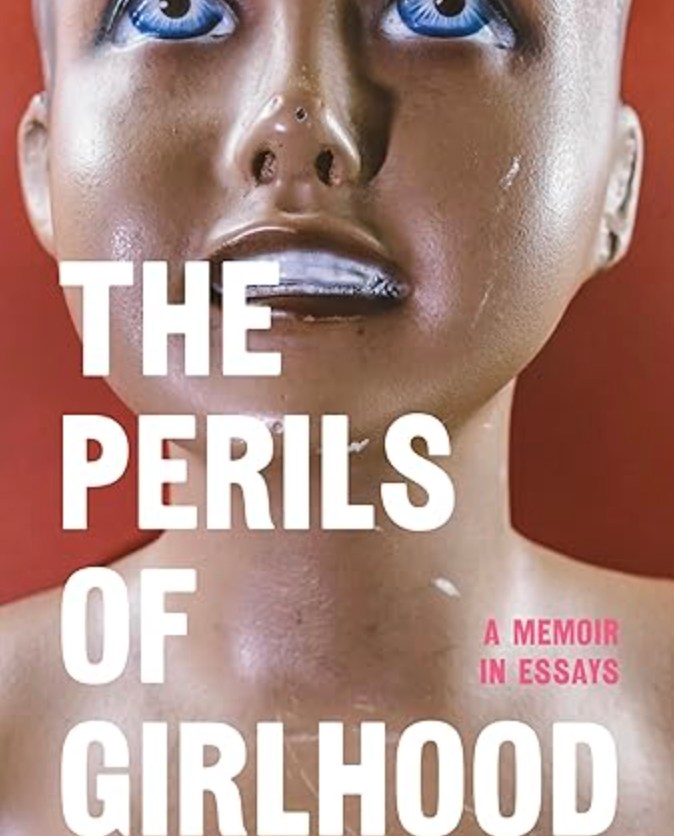
If we look more closely, we see the doll’s skin marked by chips in the paint—traces of violence that our girl has survived—her searing blue eyes defiantly looking toward the sky, or at least something higher than where she is now.
(reviews)
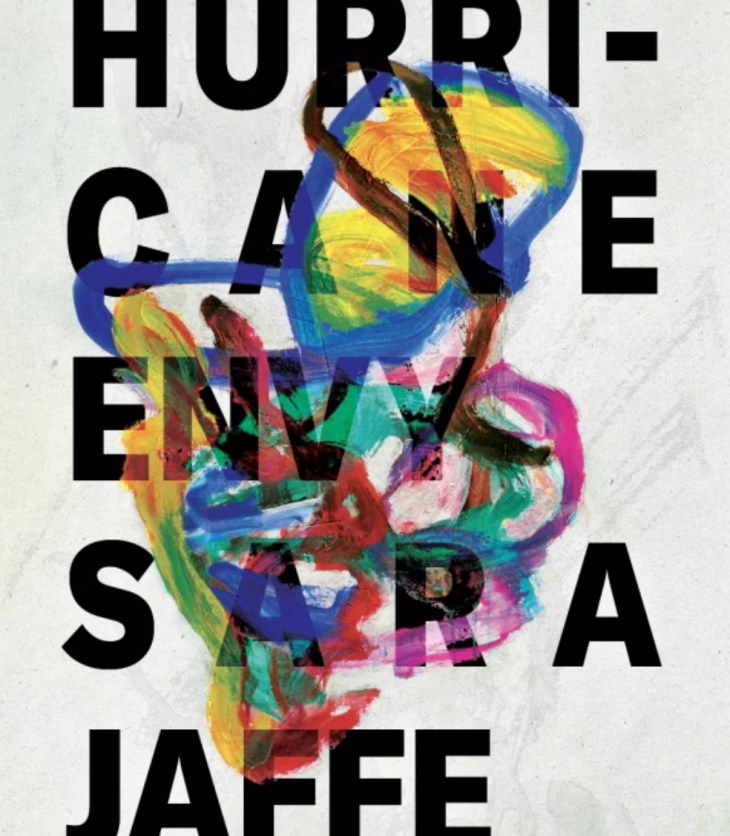
The book’s title is derived from the story “Stormchasers,” in which a couple that moved cities constantly compares the two places while trying to establish a routine. They admit to having “hurricane envy” as they realize that a coming storm won’t really impact them, despite their preparations.
(reviews)
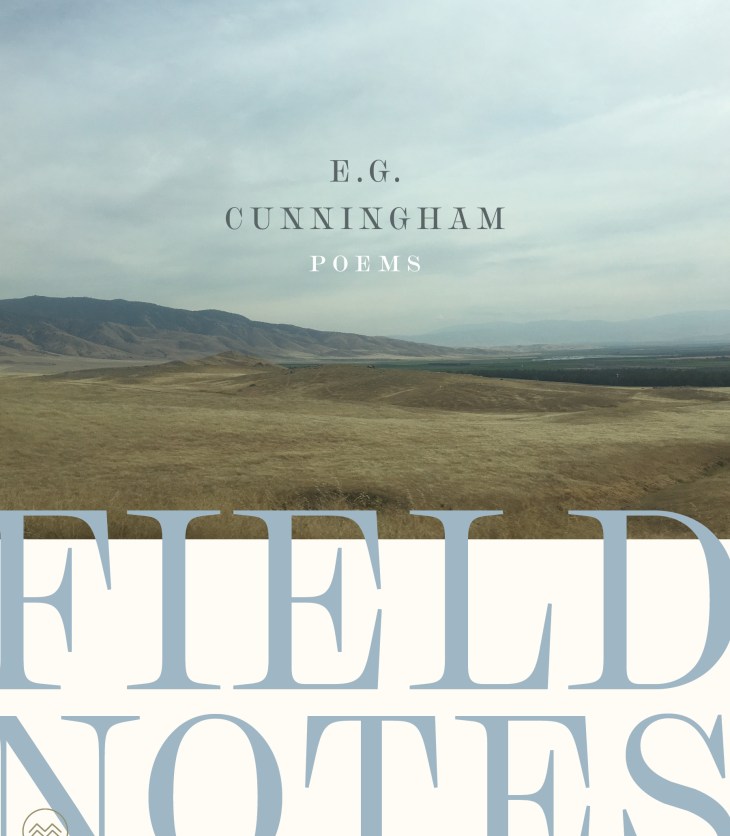
In both concept and practice, we ask a great deal of the field, making it an adaptable metaphor in poetry and art: the open field, the blank page, the blank canvas. The field suggests potential, something unspoiled and limitless where growth is inevitable.
(reviews)
If God appears on these pages, it is in the sacred clarity of the concrete detail. The speaker as a young girl, drawing ankhs and peace signs in the back of her bible, listening to a hymn as it slides beneath the pews.
(reviews)
Can violence be made into beauty? Can beauty be used to dignify the stain of violence? Sloan seems to suggest so, perhaps, by conceiving of Ophelia’s body as part of nature—indistinguishable from it.
(reviews)