
If we look more closely, we see the doll’s skin marked by chips in the paint—traces of violence that our girl has survived—her searing blue eyes defiantly looking toward the sky, or at least something higher than where she is now.
(reviews)
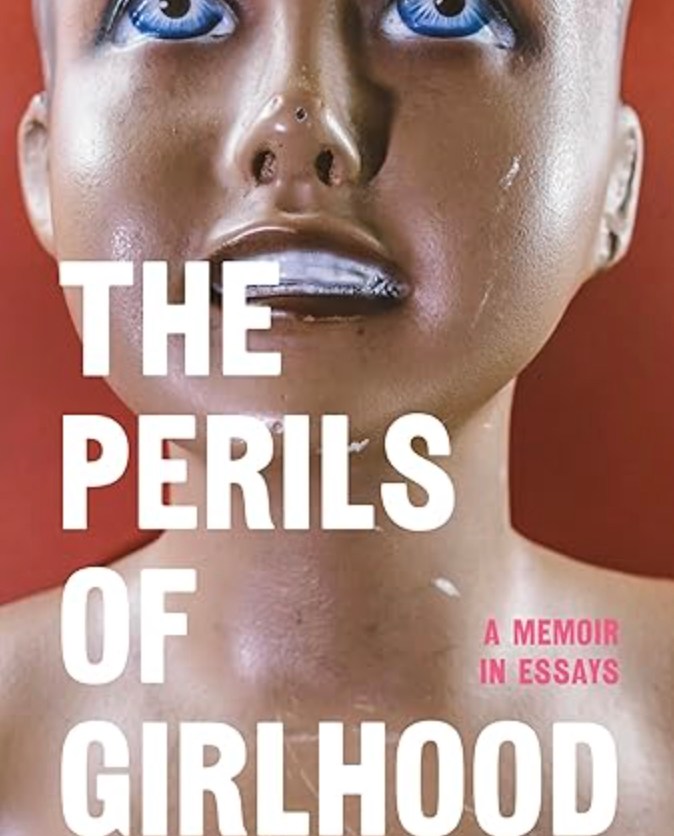
If we look more closely, we see the doll’s skin marked by chips in the paint—traces of violence that our girl has survived—her searing blue eyes defiantly looking toward the sky, or at least something higher than where she is now.
(reviews)
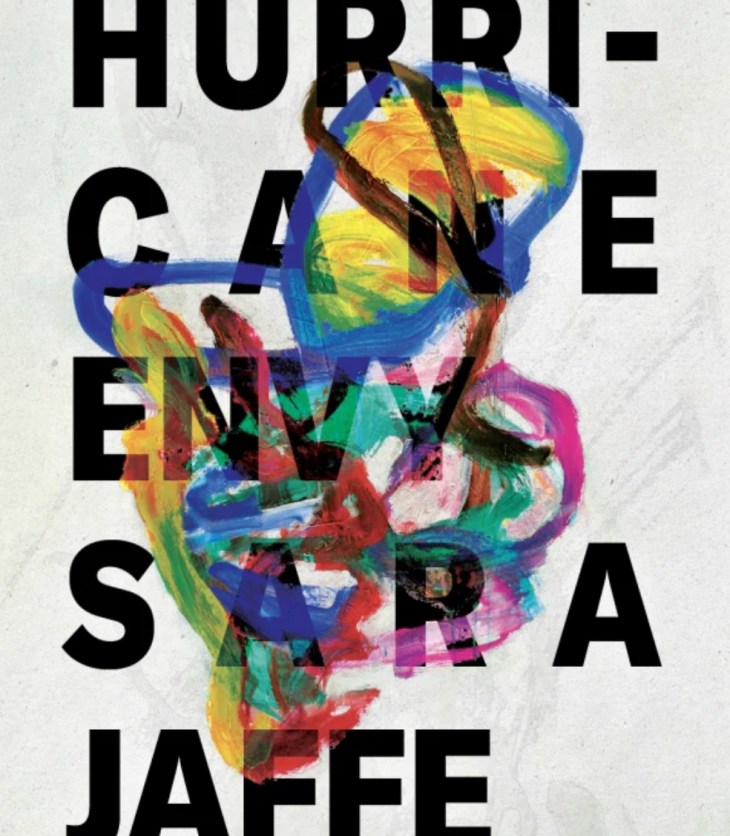
The book’s title is derived from the story “Stormchasers,” in which a couple that moved cities constantly compares the two places while trying to establish a routine. They admit to having “hurricane envy” as they realize that a coming storm won’t really impact them, despite their preparations.
(reviews)
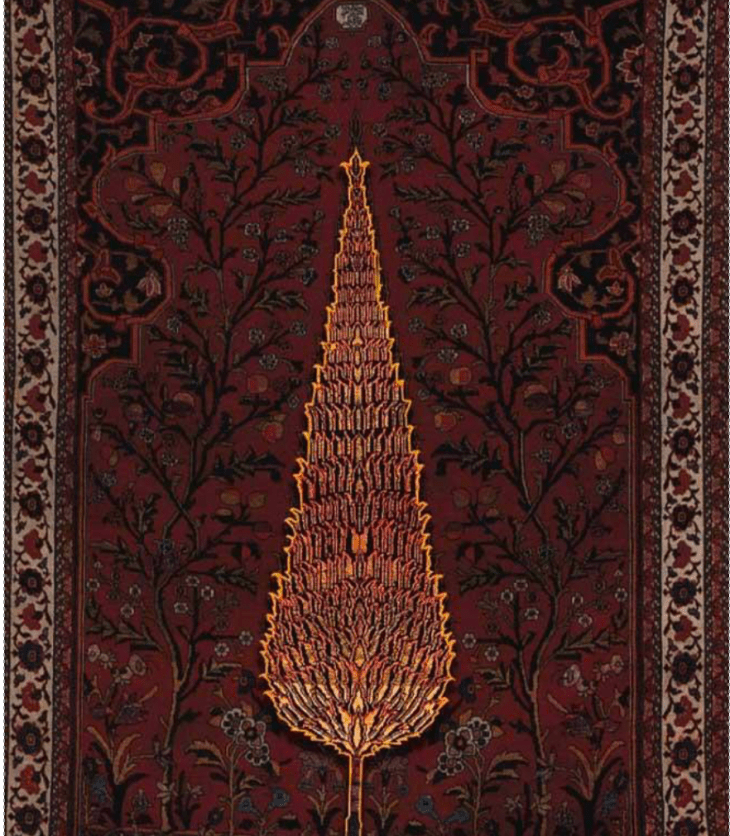
One of the famous Iranian rug patterns is the Tree of Life, in which the tree is often located on the vertical symmetry line of the carpet. The tree symbolizes the connection of earthly beings to the heavens.
(poetry)
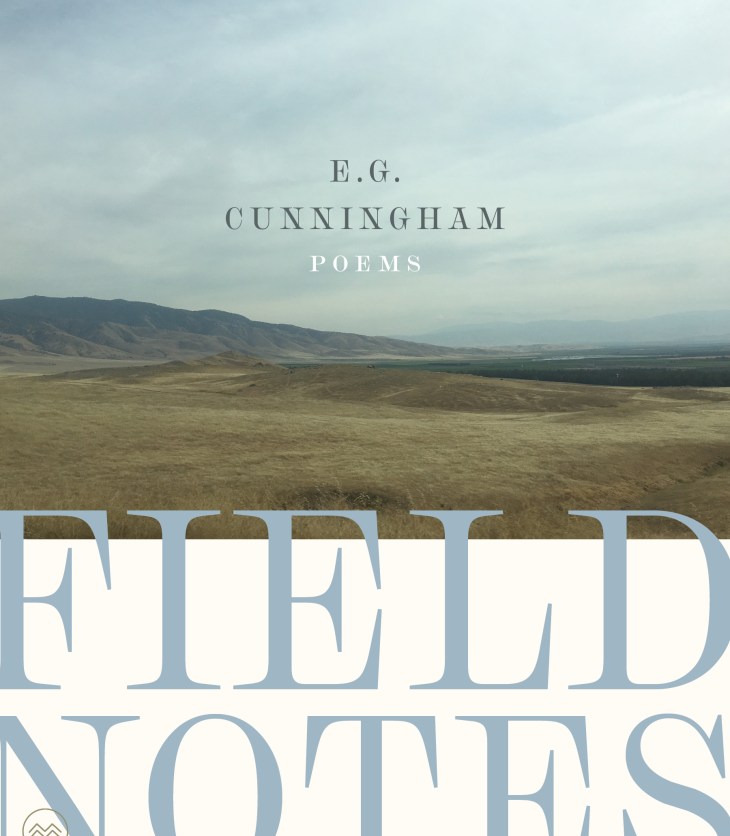
In both concept and practice, we ask a great deal of the field, making it an adaptable metaphor in poetry and art: the open field, the blank page, the blank canvas. The field suggests potential, something unspoiled and limitless where growth is inevitable.
(reviews)
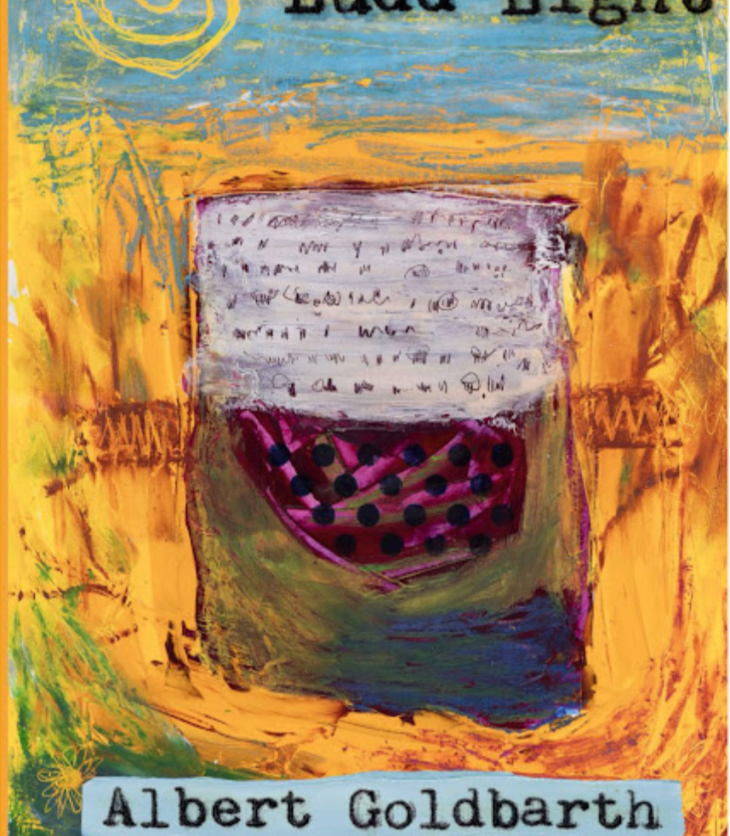
The poems conjure historical and essential artifacts, from “Before Refrigeration” to “Beckoning DigiSex,” and people, too, such as Darwin walking on mountains above the sea, and the poet’s grandmother, whose life “began in Kitty Hawk / and ended in Sputnik.” The tone includes not a simper of lachrymosity for some mythic, ideal time. “The poems included here,” Goldbarth’s introduction continues, “are meant to elegize.”
(reviews)
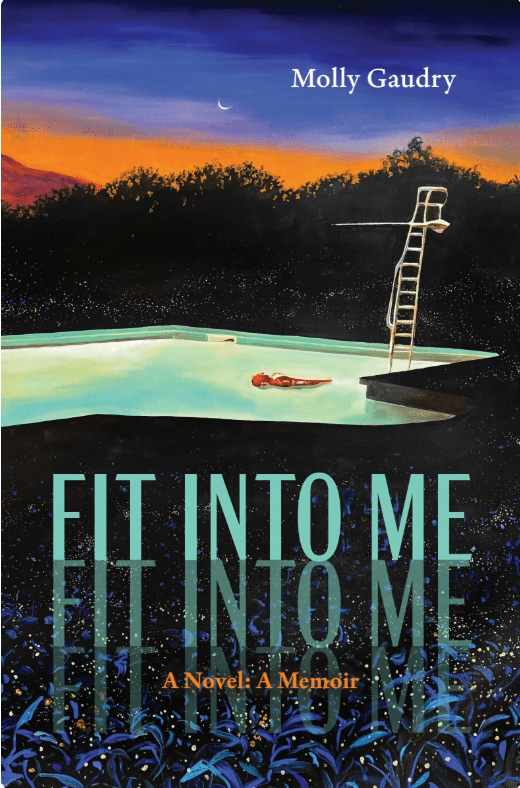
The title comes from Margaret Atwood’s poem “You Fit Into Me,” a borrowed line that helps Gaudry translate her own feelings. The phrase “fit into me” can act as both a plea and a demand, asking us to place ourselves inside the characters—but borrowed language can also act like a mirror, reflecting our own experiences back at us rather than revealing hers.
(reviews)
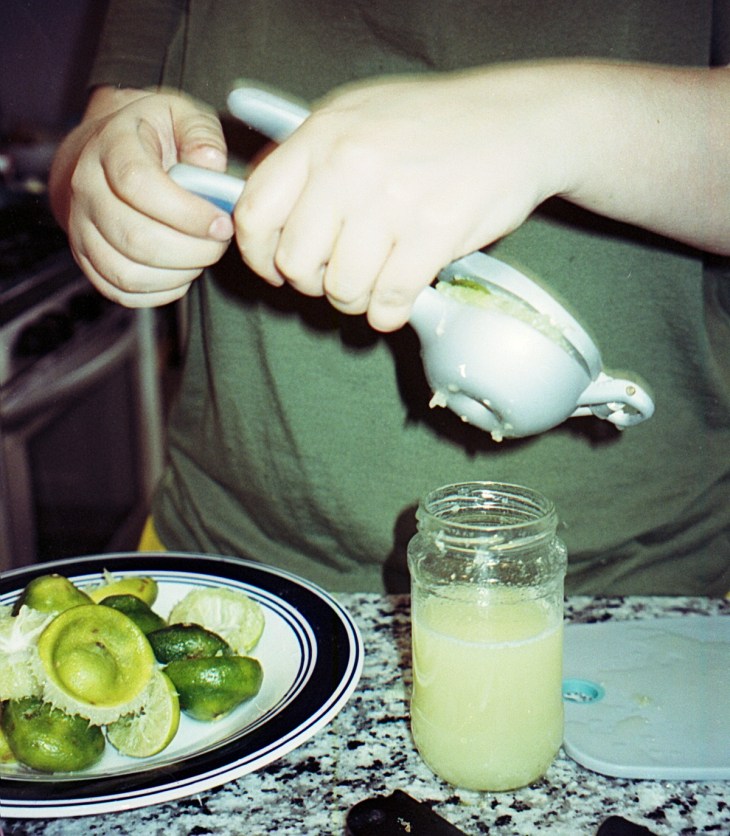
Anesthesia for the moment. Anesthesia for the pain. The anesthesiologist’s line: “Don’t worry, you won’t remember this when you wake up,” is precisely what worried me. I didn’t remember. What else had I missed?
(nonfiction)
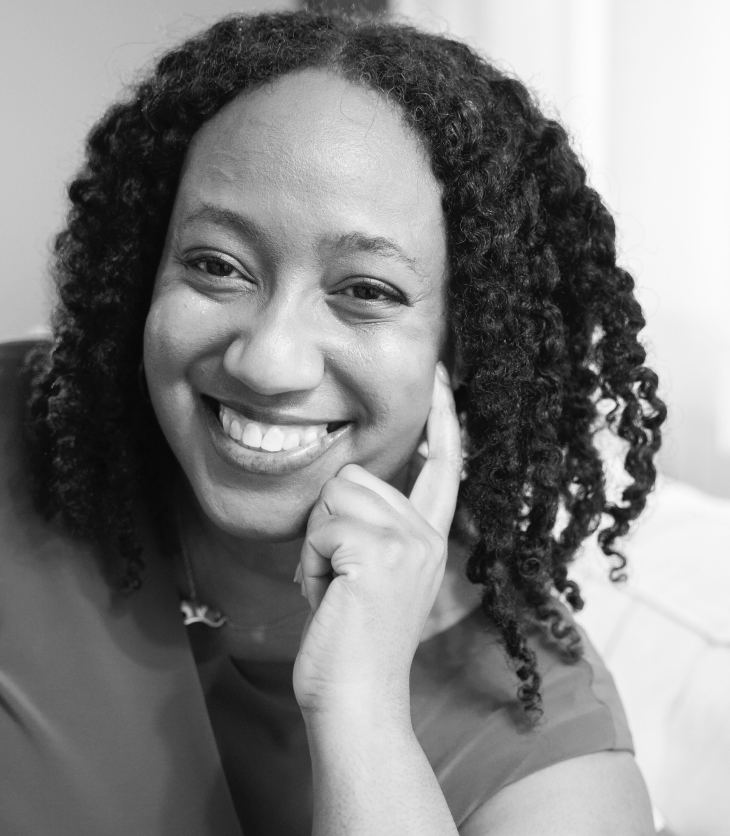
“I think that the beauty of Blackness and Black people is that we code-switch all the time. We just know how to talk depending on where we are and to whom we’re speaking, so I don’t think about it too much when I’m writing, but I do think about who’s going to be on the inside of the stories and who’s going to be on the outside,” Amina Gautier tells ACM.

By seventh grade students often work with percentages, fractions, probability and proportional relationships. Math looks different at our Long Covid house. We practice for survival, not standardized testing. What percentage of a medication is metabolized by the liver? By the kidneys? What fraction of the pediatric population gets well?
(nonfiction)
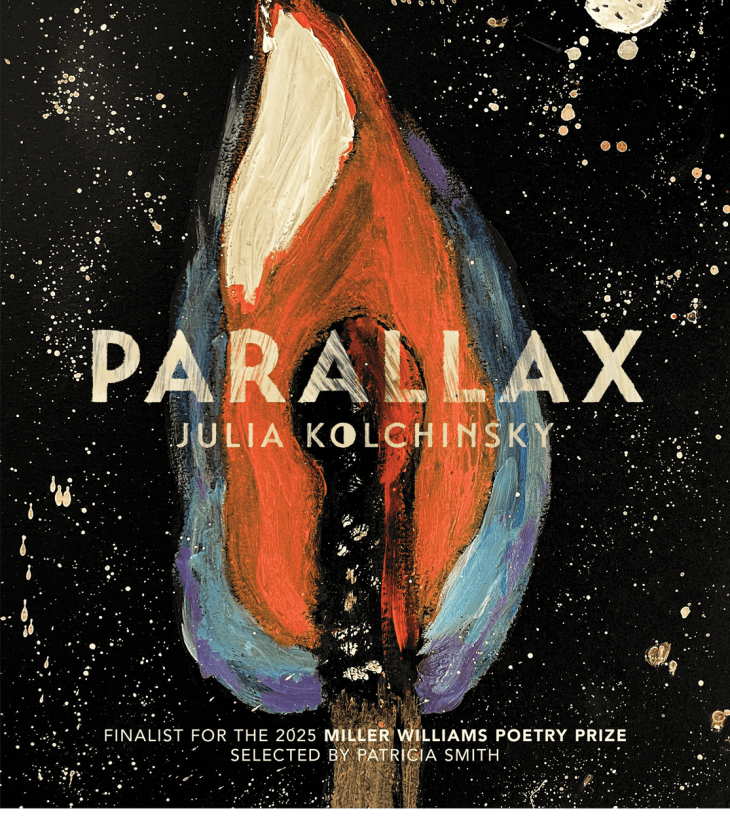
As the title suggests, this is a book about vantage and perception. In several poems, the speaker takes an empathetic approach, trying to see the world through the eyes of her neurodivergent son. Elsewhere, she poses the question: “How can I teach my child to live through and/or in violence, without becoming violent themselves?”
(reviews)

The often pitch-perfect language captures the absurdity of the way we live now and renders it hilarious: “I fought a monster and defeated it. I did that. But what do you do with that? It’s not something I can post about on Facebook. I mean, my mom would see that.”
(reviews)

The way I’d savor, lovesick, a stricken voice preserved on tape as if in amber. The way I banked those messages. Playing them over and again as proof that once, I had made him care. Echo of skin and moisture and shine and shame. Power diminishing with repetition.
(nonfiction)
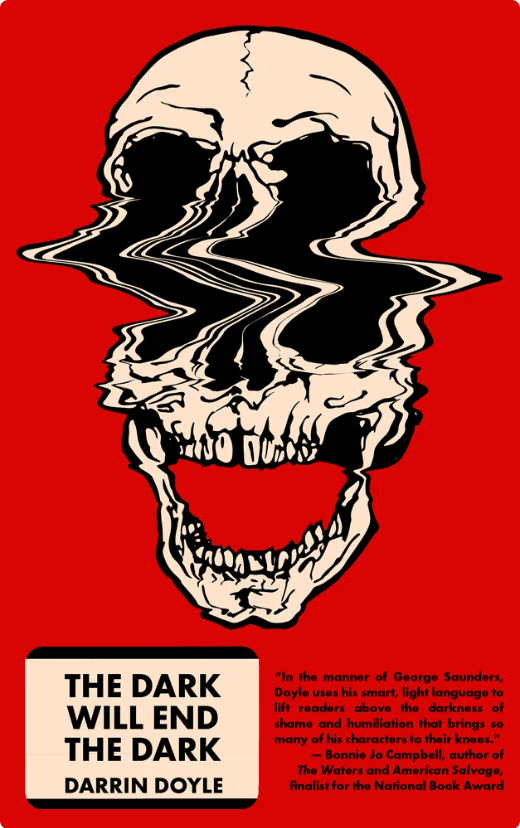
The collection’s opening salvo asserts this tension in a whiplash, maximalist mad dash. Stories steer their readership past one visceral image after another: burnt oil engines, boiled feet, metallic screams, and fast food mutilations.
(reviews)

The book takes a historical view of global conflicts — namely World War II and the Cold War — and Lamantia’s reactions against the imperial war machine, both in the United States and within globalized systems, emerge as a precursor to the apocalyptic themes often present in Western poetry.
(reviews)

When my father measured women in percentages, I learned to chart myself like livestock—head, pelvis, torso. Yet the red horse leaned his warmth into me, the chickadees sang, and the body refused to stay math. Years later, back home, I discover what love weighs when you stop counting.
(fiction)
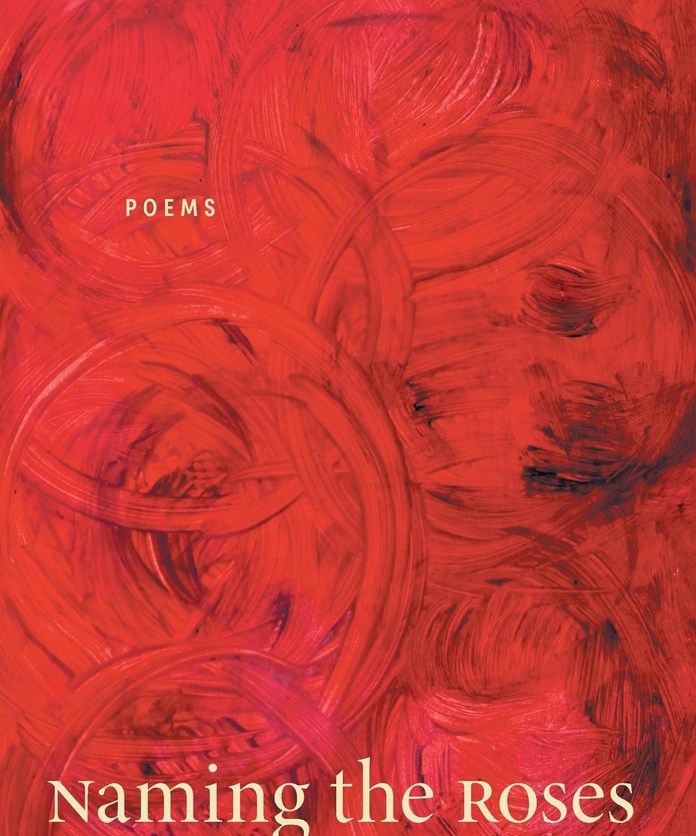
The poems in Naming the Rose draw from vulnerable, autobiographical elements mixed with the obliviousness of those around the speaker. The two-sectioned poem “The Light of Day” contrasts loving memories of pumpkin carving by the speaker’s daughter with the fear of the speaker-mother as her partner and the father of her daughter, “drunk,” “too drunk,” “rid[es] down the highway at 90 miles an hour” with “a huge stolen pumpkin on [her] lap.”
(reviews)

This collection of poems explores the fracture of a marriage after a secret is revealed—a husband’s closeted homosexuality, at odds with his religious upbringing and the life he has built. Set against the pastoral backdrop of stables and gardens, canning jars and roving horses, tether & lung traverses the landscape of loss and longing with striking vulnerability.
(reviews)

If God appears on these pages, it is in the sacred clarity of the concrete detail. The speaker as a young girl, drawing ankhs and peace signs in the back of her bible, listening to a hymn as it slides beneath the pews.
(reviews)
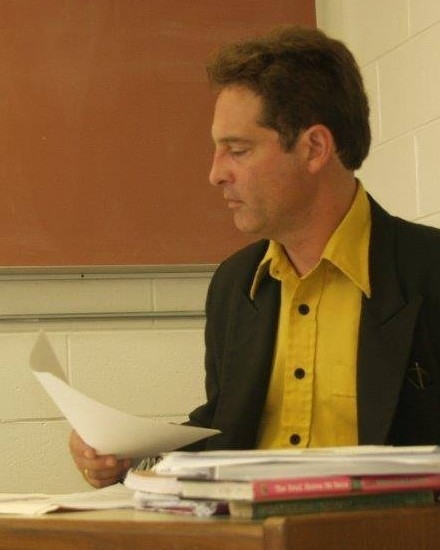
“As it relates to Unit 29 specifically, writing offered a rare opportunity to convey a message that would actually be read. For some, it was an opportunity to attempt something they never tried before. The act of writing and the program itself allowed for a structure by which they could order their lives in a chaos that barely ever sleeps,” Louis Bourgeois tells interviewer Mike Puican.
“Book bans have existed as long as there have been books, throughout history, just like war. It’s a form of war; part of war; part of politics and power grabs; part of trying to keep the population ignorant and deny people books. It’s also part of antisemitism and racism and every other oppressive movement you can think of,” Donna Seaman tells interviewer Carol Haggas.
 Another Chicago Magazine