
The boy in the black carriage listens.
Solo in flight the starlings have no message.
They fly. He listens.
(poetry)
The boy in the black carriage listens.
Solo in flight the starlings have no message.
They fly. He listens.
(poetry)

The book takes a historical view of global conflicts — namely World War II and the Cold War — and Lamantia’s reactions against the imperial war machine, both in the United States and within globalized systems, emerge as a precursor to the apocalyptic themes often present in Western poetry.
(reviews)
I like art best when its artifice dissolves. Pull back the curtain: It’s me, looking sheepish. Which me is almost irrelevant: I’ll answer to any name you call. Surrendering is only erotic when what you’ve held inside too long has named you. Made you its shape.
(nonfiction)

At 4 a.m. I am awakened by a vision of the river goddess. I am told without words that she saved baachan from drowning. After the funeral of my great-baachan. After a mokugyo drum was broken through. After a shaman sprinkled gold dust into the house’s fire.
(nonfiction)

Danielle Steele’s Going Home, Alice Munro’s Dear Life. Richard Bach’s Jonathan Livingston Seagull. Ali flips open a moldy Farsi translation of The Three Musketeers, his eyes landing on “All falsehood is a mask” just as a slip of paper glides down onto the library’s patchy carpet.
(No Place is Foreign/fiction)
the opening of a cut grape
the butterfly
if it were to lightly rest upon the extremity of the grape
and pretend to drink
if it wasn’t drinking
what was to be done then?
I would have to
improve how well I see, with these eyes
improve how well I hear sounds
and so, employing my hands
I noticed
the smallest of movements
(translations)

The latest in our FORTHCOMING series of excerpts from new and recent books:
After descending into the basement, you act as if you never went, as if you have no idea what the basement really is or what happened there. Even though you left the girl you once were in the basement, you spent the rest of your nights pretending it didn’t happen.
(fiction)

When my father measured women in percentages, I learned to chart myself like livestock—head, pelvis, torso. Yet the red horse leaned his warmth into me, the chickadees sang, and the body refused to stay math. Years later, back home, I discover what love weighs when you stop counting.
(fiction)
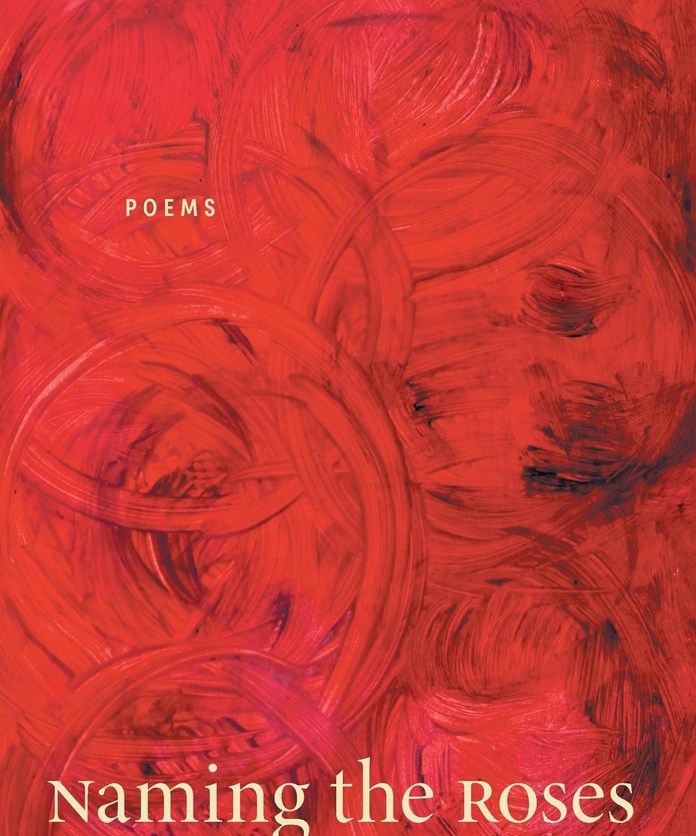
The poems in Naming the Rose draw from vulnerable, autobiographical elements mixed with the obliviousness of those around the speaker. The two-sectioned poem “The Light of Day” contrasts loving memories of pumpkin carving by the speaker’s daughter with the fear of the speaker-mother as her partner and the father of her daughter, “drunk,” “too drunk,” “rid[es] down the highway at 90 miles an hour” with “a huge stolen pumpkin on [her] lap.”
(reviews)

The holes breathed damp breath that wasn’t quite alive but wasn’t dead either. It takes little to make beauty out of wreckage, wreckage out of beauty. Winter sun gleams in the spray, constellates in the ice. A Buick skids from the road and tumbles across a bare field.
(nonfiction)

The latest in our FORTHCOMING series of excerpts from new and recent books:
He had written DECEASED next to my mother’s name on his return. That threw the whole system off, sending his return into the void for further review. Since the entire IRS was working from home due to Covid-19, which arrived approximately two weeks after my mother’s death, apparently every day was now Leap Day, and perhaps in another four years my father might get his refund.

This collection of poems explores the fracture of a marriage after a secret is revealed—a husband’s closeted homosexuality, at odds with his religious upbringing and the life he has built. Set against the pastoral backdrop of stables and gardens, canning jars and roving horses, tether & lung traverses the landscape of loss and longing with striking vulnerability.
(reviews)

I am sorry to say this, but what if You made a mistake?
What if You took the wrong kid?
I heard You took two more kids today from Askar’s middle school.
Are the soldiers working for you?
(Palestinian Voices/ fiction)
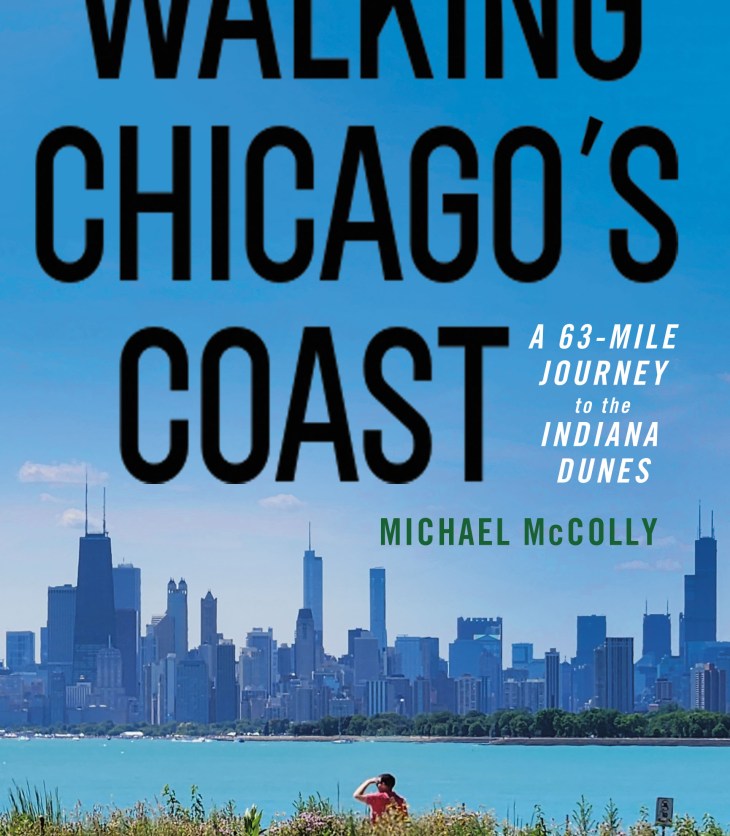
The latest in our FORTHCOMING series of excerpts from new and recent books:
I walk across the highway to the other side, lean over the same crumbling concrete guardrail and look down into the stagnant cesspool. As I slowly raise my head, I follow the canal as it extends in a straight line out to Lake Michigan. The huge, shadowy metal structures of the steel makers stand along the shore, and next to them, barely visible, a towering crane.
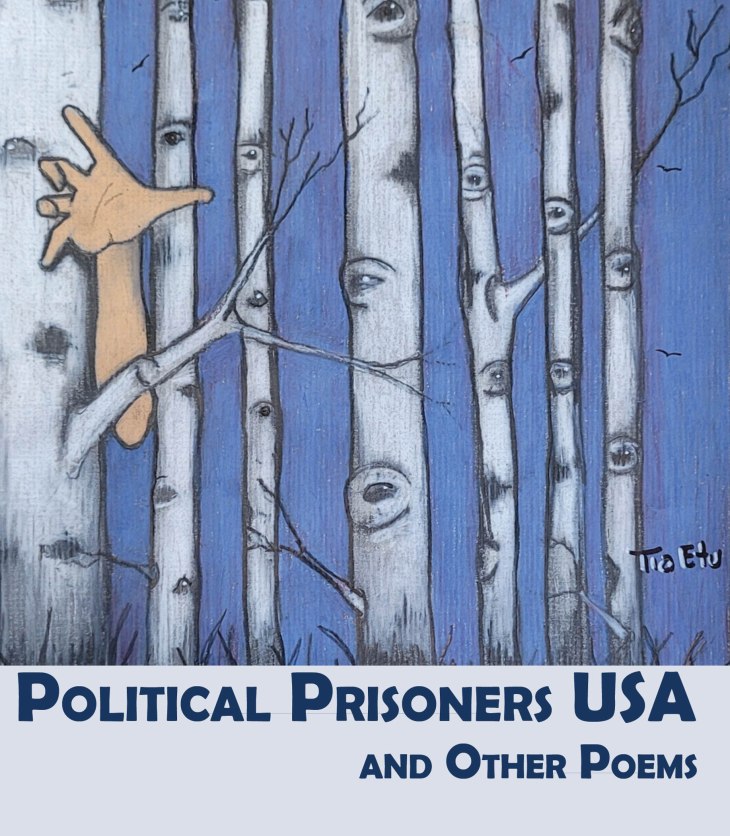
The latest in our FORTHCOMING series of excerpts from new and recent books:
Every night I read
My country’s history
of profit wrung from working people
and before dawn I burn my shoes

If God appears on these pages, it is in the sacred clarity of the concrete detail. The speaker as a young girl, drawing ankhs and peace signs in the back of her bible, listening to a hymn as it slides beneath the pews.
(reviews)
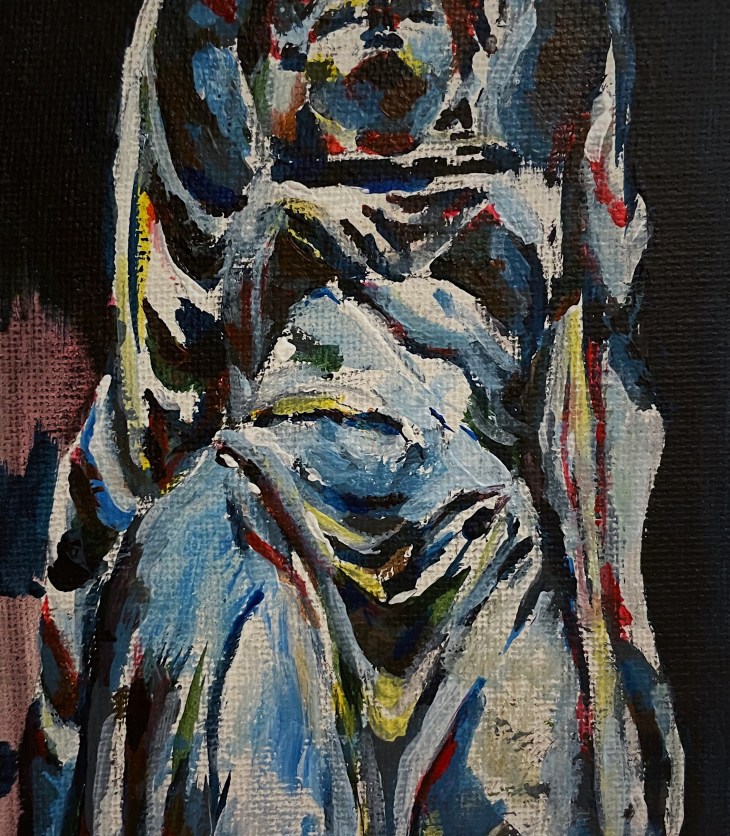
Discovering Tarkovsky upended my attempt to build a coherent, if radically reduced, worldview post-Iraq. Ten years after leaving the military I found myself replaying certain scenes from his Solaris and Stalker well into the early morning hours, with no thought to plot, or social relevance, just the sound and absence and the want and the curious, sacred fullness that followed these unanchored gaps in experience.
(nonfiction)
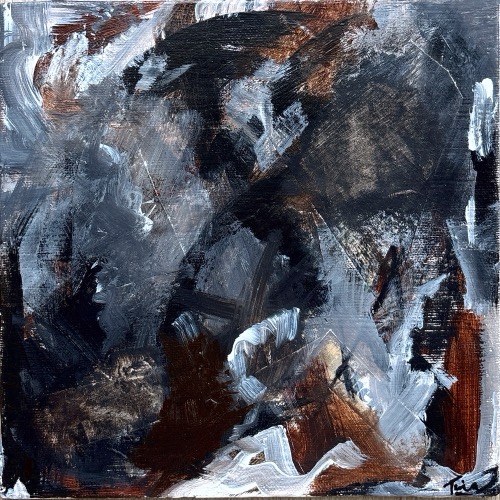
“What do you know of killing a child?” Medea shouted, her voice trembling with the hereafter. The woman bowed her head, circling endlessly over rocky ground, stacking stones, whispering absence and omission as her weapons, searching for forgiveness that would never come.
(translations)
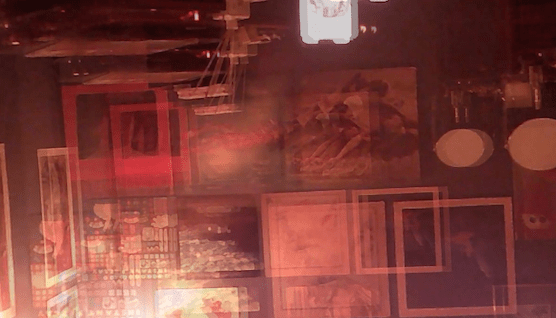
The film is a collection of footage accumulated from days walking around Chicago and noticing the different movements, colors, and forms of the city. It attempts to embody a dissociated state of mind.
(audiovisual)

Can violence be made into beauty? Can beauty be used to dignify the stain of violence? Sloan seems to suggest so, perhaps, by conceiving of Ophelia’s body as part of nature—indistinguishable from it.
(reviews)
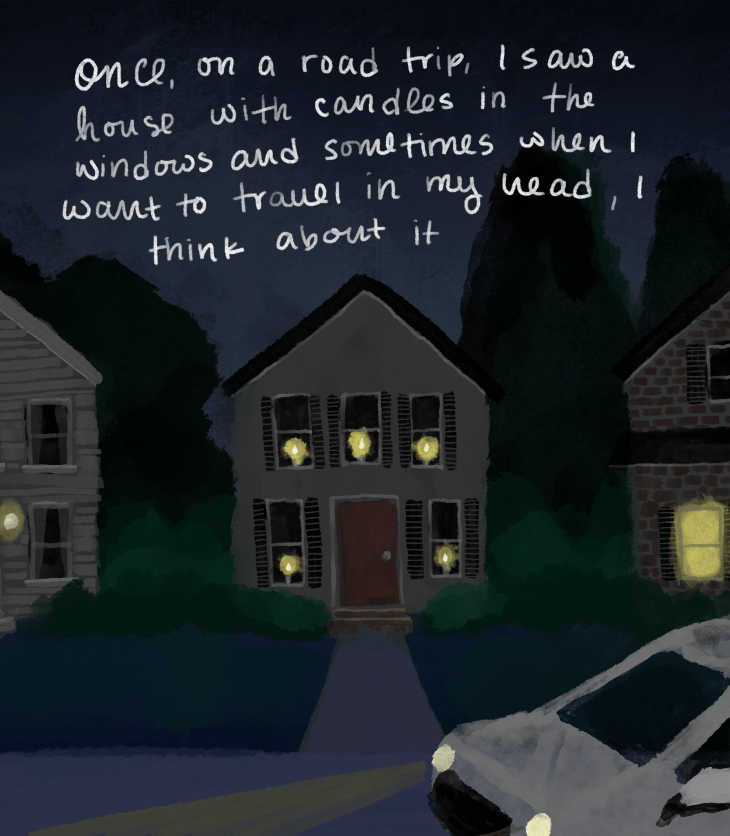
This week, ACM is posting poetry every weekday.
wait, things improve, around every corner is a prize.
Let’s go back to that track and crush pine needles
with our heels. Crush our watches too.
(poetry)
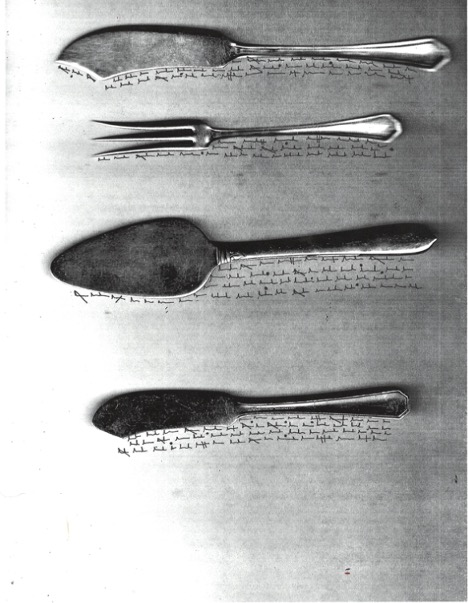
This week, ACM is posting poetry every weekday.
we’d just torn out not the eyes but the reflection in the eyes
while culture hanging on the media’s fangs was dying there
no more tongue-in-cheek now and above the vulgarity of
doing cartwheels thinking thus to prove its legitimacy
doesn’t the assassin push forward by brandishing his knife
(poetry/translations)

This week, ACM is posting poetry every weekday.
See? I’ve been frank, while the TV keeps beaming images–you yelling at the cop dragging you away: Don’t take me away yet; but the cops keep manhandling you, smash your spectacles, your black skin shines with sweat.
(poetry)

This week, ACM is posting poetry every weekday.
And they continued with more world history examples
where a victim lived happily ever after next to her executioner,
having forgiven and forgotten.
(poetry/translations)

This week, ACM is posting poetry every weekday.
I’d tell you to be careful, that everything here is lousy with history, from the first megafaunal
extinctions to those buffalo carcasses rotting in heaps after the last of our Transcontinental
massacres.
(poetry)

I’ve started thinking the worst of people. I wasn’t always like this. Can I keep doing this job? Why did I take the first one I found? Cause Mom just died and I couldn’t think straight? And minimum wage? Surely there is something better out there.
Inhabit your awareness. Breathe and scan throughout your body.(nonfiction)

Shiki wrote haiku—tens of thousands of haiku—elevating himself to the immortal ranks of Bashō, Issa, and his personal hero, Buson. However, Shiki did not want to go back to the past and its masters; he wanted to reinvent what he believed was a dying art.
(reviews)

Kateri Menominee is the ninth and final Native voice we are publishing in our series collected by Mark Turcotte.
You watch your aunt unbutton a rabbit carcass
and you feel the vocal folds of your dark throat
contract descend a dark ache in your belly
to swallow a language ripped from another
(poetry)

“So, I’m not saying one’s better than the other, but maybe because [Iraq] had so many wars, they put people first. In our culture, we put profit first. Our whole geopolitical conduct has now become quite transactional. If you say [Trump] is a mandate from the American people, then that’s saying something about the values of voters,” Alex Poppe tells ACM.
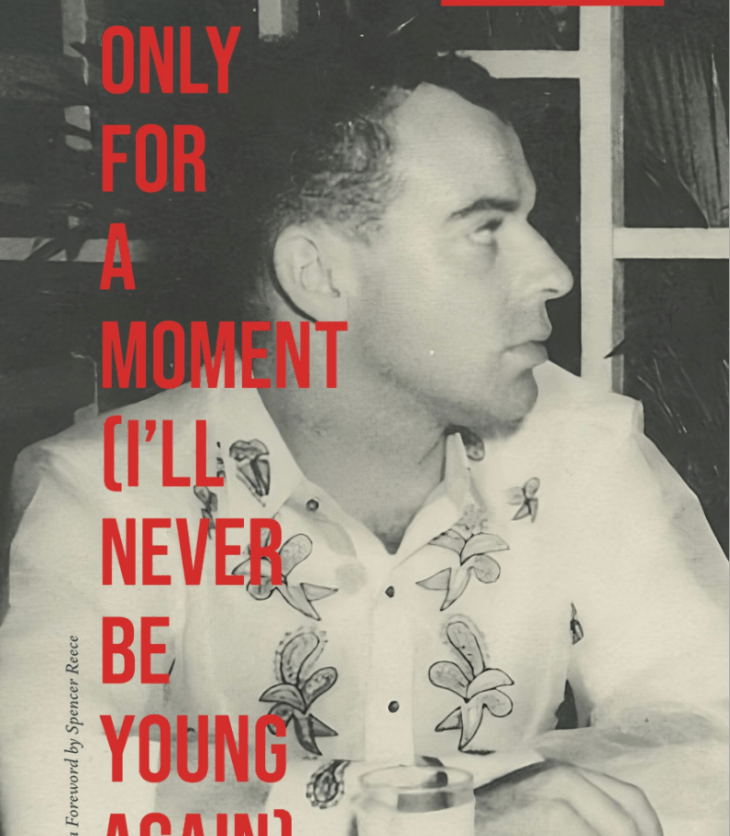
The book, at its core, follows the speaker’s daily journeys along a rugged mountain road over the course of a year, with the gravel thoroughfare and its environs serving much the way Thoreau’s Walden Pond once did— fueling reflections on humanity in general, and the present moment more specifically.
(reviews)
 Another Chicago Magazine