
To me it was like returning to a burning house to get just one more thing—though I was afraid of what I couldn’t see rather than any blinding smoke.
To me it was like returning to a burning house to get just one more thing—though I was afraid of what I couldn’t see rather than any blinding smoke.

I loved her. But I never, ever felt close to her. The few times I tried to speak honestly to her as I struggled to understand how I’d come to see the world as I did, she was so hurt that it would have been cruel to persist.
(nonfiction)
“Noir fiction is still responding to The Maltese Falcon,” writes reviewer Matt Meade, “still trying to figure out how to formulate that strange alchemy of crime, post-war malaise, sensitive street tough, and existential dread.”
(review)
The ground was frozen. Her body became the same.
(nonfiction)

We panicked all evening, clearing our throats, secretly gargling with hydrogen peroxide.
(The Loop)
“I’m doing fine. You just need to worry about me getting arrested for shooting one of these fucking turkeys who are buying up all the toilet paper.”
(nonfiction)

He went into the kitchen to look for the car keys, found them on the hook where she usually hung them, and put them in his pocket.
(fiction)
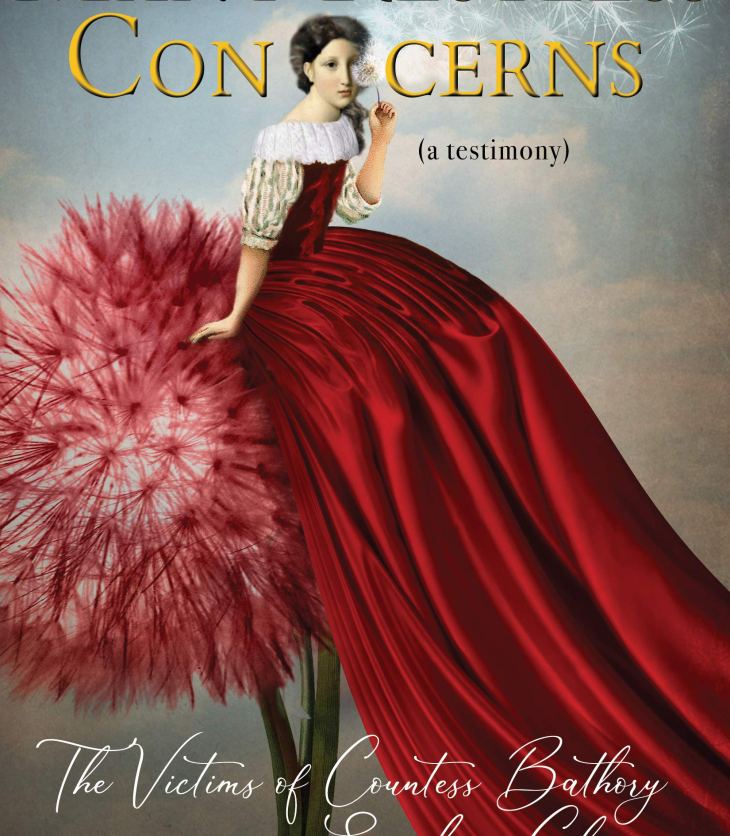
“For a book that is in many ways a ghost story,” reviewer Jesi Buell writes, “Brandeis removes the magical, fabled elements and makes the reader focus on the real-life consequences of violence committed against girls’ bodies.”
(review)
Maybe if I’m busy thinking about COVID-19, I won’t have room to think about the living, screaming person that will soon detach itself from my own person.
(nonfiction)
After all, as Camus reminds us, plague never really dies.
(nonfiction)
All night long I replayed the five minutes we had spent at this tourist attraction, trying to remember if I had gotten close to any strangers.
(nonfiction)
The men frequently give aliases; as simple as John Smith or as attention-seeking as Carlos Danger. She guesses that they believe her name to be an alias too.
(fiction)
He wore a pair of faded bib overalls over a black NASCAR tee shirt, a red “Make America Great Again” hat, and held in one hand the electrician-taped handle of a bulging duffel bag and in the other, a leash attached to the pale pink, rhinestone studded collar of a doleful looking Harlequin Great Dane.
(fiction)
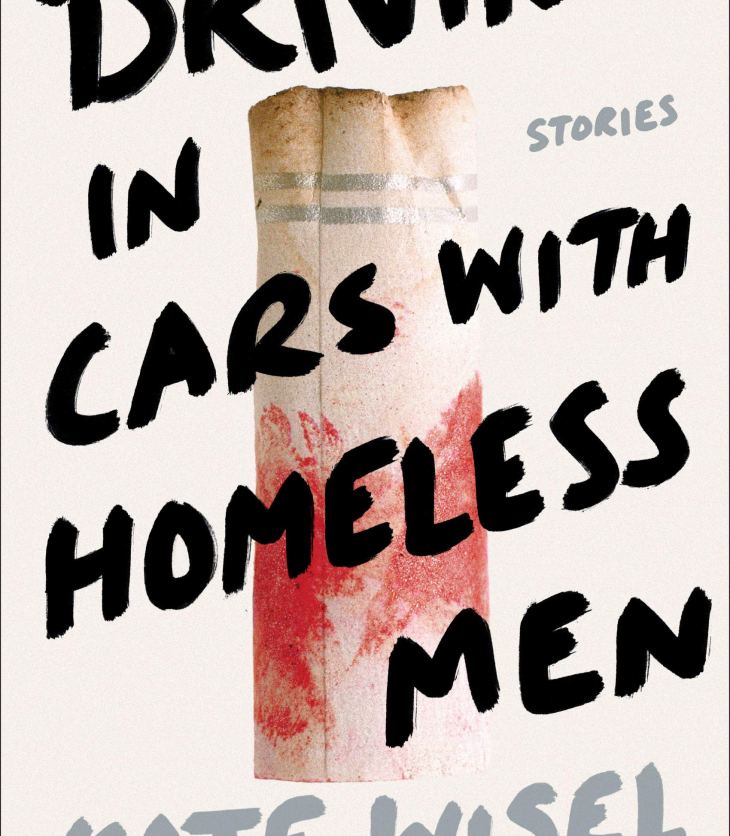
“Wisel writes about domestic violence, drug abuse, poverty, and the inability to connect to others in ways that maintain healthy boundaries,” writes Sarah Sorensen.
(review)

“”History of an Executioner’ brings us to the verge of existentialism, the point where the protagonist must decide for himself at last,” reviewer Andrew Farkas writes.
(review)
How does one “shelter in place” when one has limited shelter?
(nonfiction)

In the city that some used to call the Seattle of Italy, nowadays you can only overdose on poetry.
(nonfiction)
The coronavirus has made me feel more connected to the world than I have felt in a long time.
(nonfiction)

“What have they been feeding you in here?” I ask.
“A bunch of bullshit!”
(nonfiction)

“If I had been chewing gum, I would’ve swallowed it right there,” Jefferson Navicky writes upon reading Maureen Seaton.
(review)
Each panel felt a little like The Decameron, where we listened and told stories while the weight of the plague swung over us like a poorly-anchored chandelier.
(nonfiction)

“Whether V’s and June’s story is your or my family story,” writes Chelsea Biondodillo, “it is still our story and it should rattle and anger even as it hollows out a soft spot in the heart for these fierce and sorrowful unsung stories.”
(review)
“Love As The World Ends”
“If This Next Apocalypse Gets Canceled Or Postponed”
(nonfiction)

And I was looking for barbarians. I still am. I always am. I’ve seen so many. Haven’t you?
(The Loop)
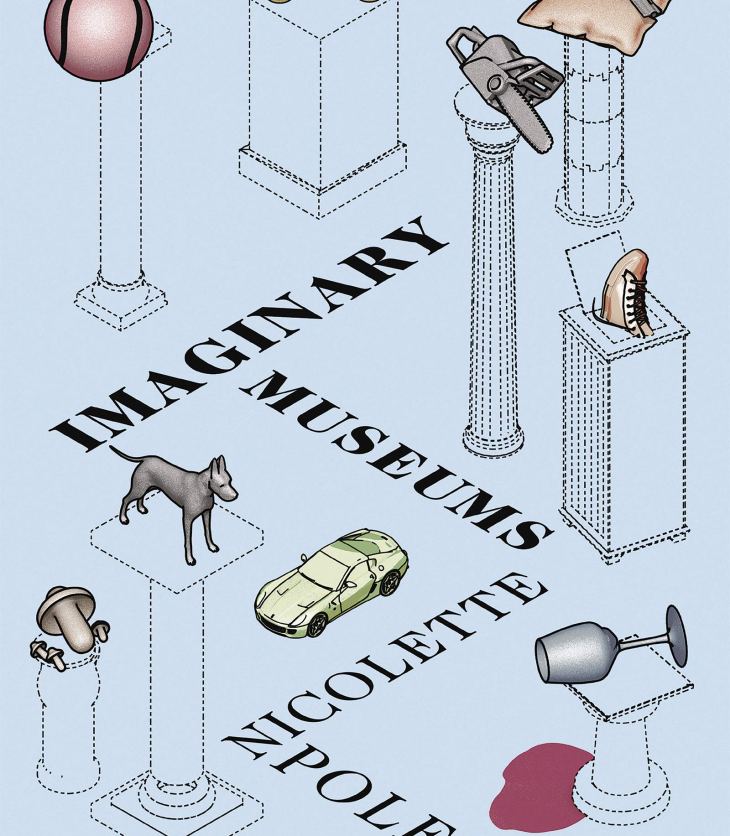
“With composed brevity and a hip, off-brand optimism, Polek mines a bottomless crevasse of depressive inclinations and self-imposed disembodiment,” writes Loie Rawding.
(review)
I turn around and gain elevation so I won’t be tempted. It’s her turn to hunt.
(fiction)
 Another Chicago Magazine