That’s the thing about addiction. It hides in plain sight, promising to quit. At first it itches, and then it hurts a little, but then it just becomes who you are.
(nonfiction)


That’s the thing about addiction. It hides in plain sight, promising to quit. At first it itches, and then it hurts a little, but then it just becomes who you are.
(nonfiction)
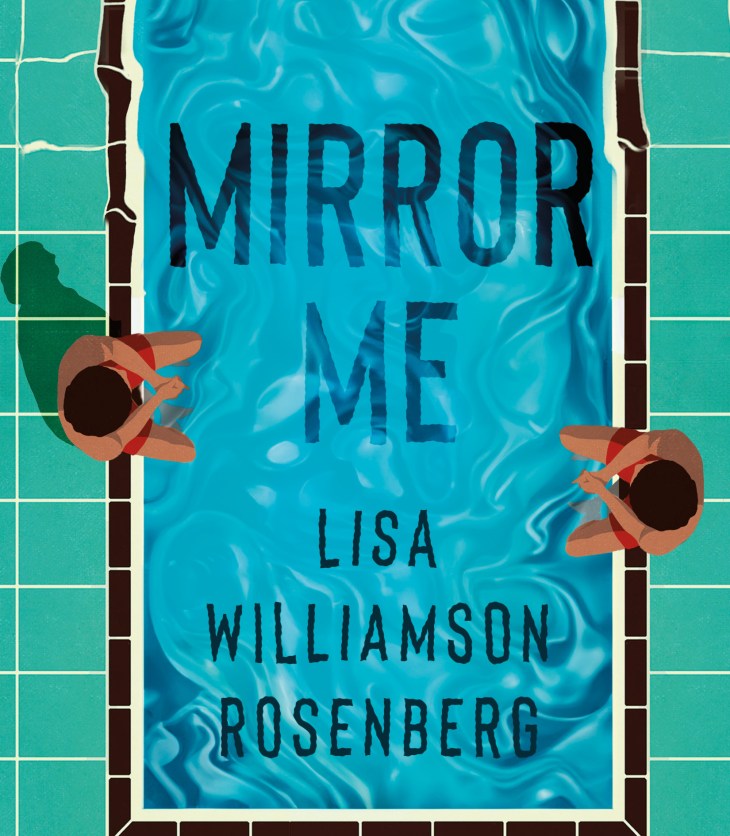
The latest in our FORTHCOMING series of excerpts from new and recent books:
Though I have only recently revealed myself to him, Eddie identifies me as the culprit, which kicks off a harangue: How could you do it? Why? Why? Why? and the like, all vocalized aloud.

…and while I care about respect, it isn’t my driving force, my raison d’etre, and I most certainly don’t fight police (or anyone for that matter), and in the end understand that while I am Latin, I am Hispanic, I do love Mexican music and even my dad, I formed my own sense of identity because I had to or I would have gone crazy; and perhaps, maybe, possibly, I did for a while.
(nonfiction)
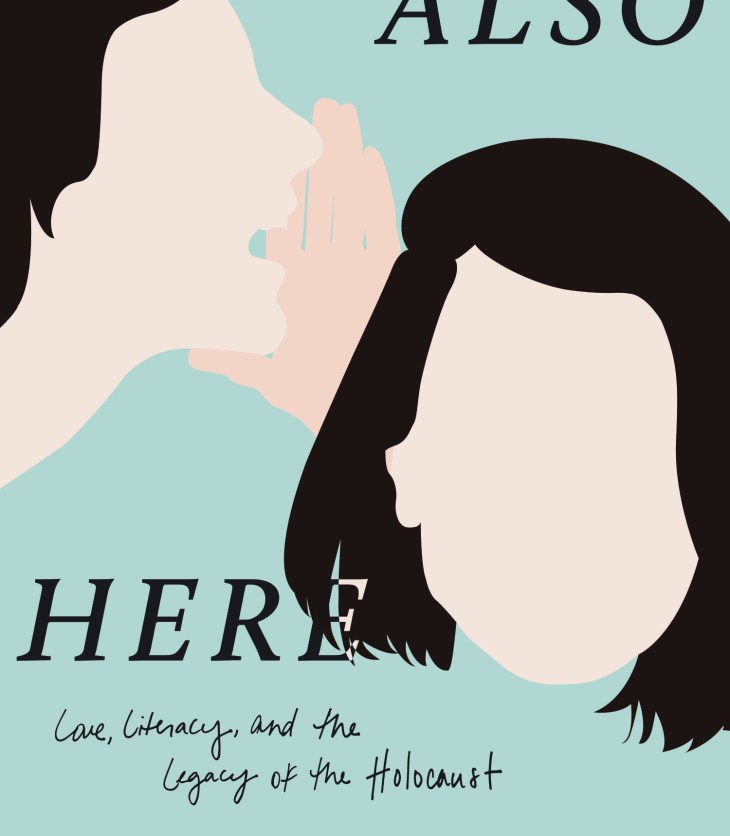
The latest in our FORTHCOMING series of excerpts from new and recent books:
For decades, Bubbie avoided mentioning the war. Her close friends were refugees and survivors, already well acquainted with tragedy. They all had their own stories of loss and suffering, and no one wanted another.
This film explores the use of both sound and text as response and the relationship between sound and soundless answers.
(audiovisual)

To say that the often experimental stories in Amy Stuber’s “Sad Grownups” are clever, funny, and intelligently designed is accurate, but experimentation can give way to gimmickry, wittiness to cattiness, and none of that happens here.
(reviews)
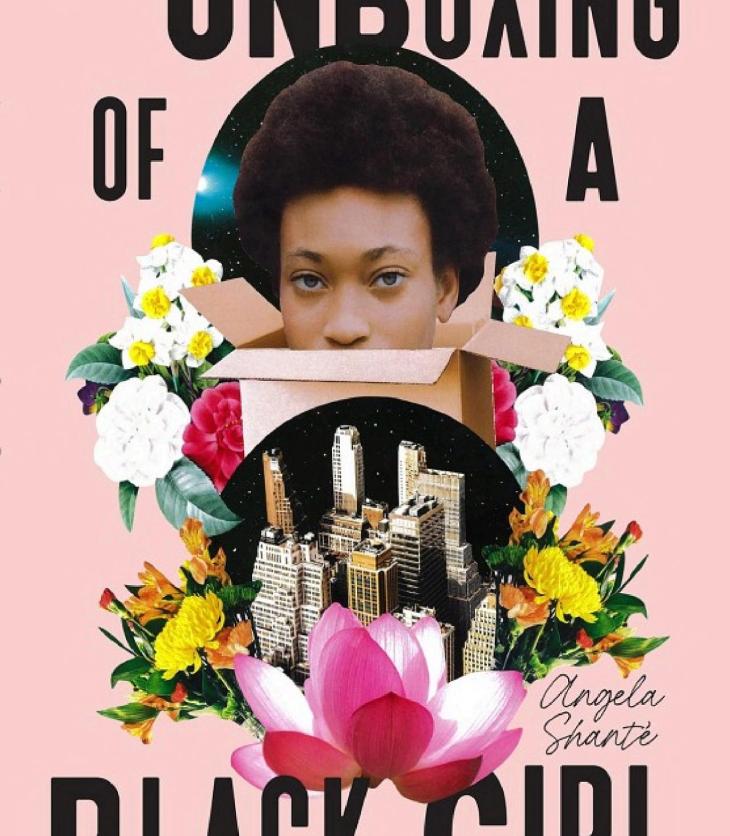
The poet writes of boxes, or labels, used to define and classify Black people, especially ingrained into the psychology of young Black girls. In her prose poem “Floss (Verb),” she introduces the verb meaning “to flaunt” in her own code of language.
(reviews)

People think I’m taller than I am. Bed is a good place to be. I miss you. I think I lost something.
(audiovisual)
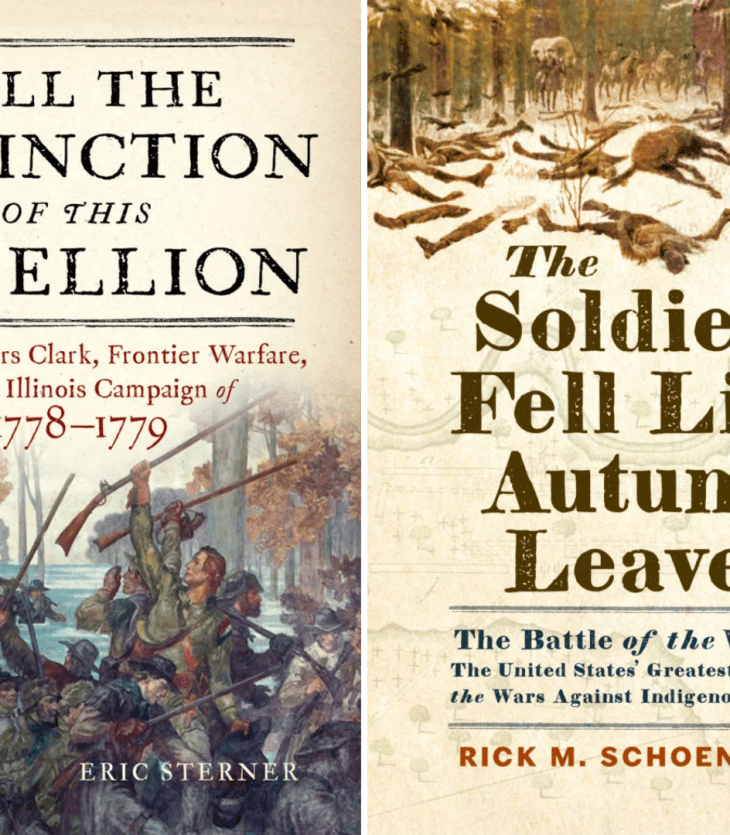
Rarely do we see the history of the Revolutionary War and Founding era considered in the context of Midwestern history. Most commonly, this time period’s impact on the Midwest is simply ignored…
(reviews)
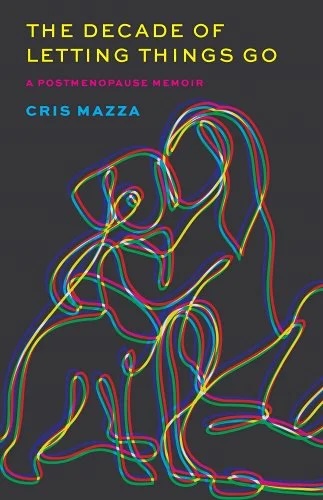
Cris Mazza’s ruminations, on full display, are provocative and frequently resonant of the shared problems we women must reckon with. She challenges us to refuse to be victims, she confides a hundred petty aversions it’s satisfying to recognize.
(reviews)

