
To say that the often experimental stories in Amy Stuber’s “Sad Grownups” are clever, funny, and intelligently designed is accurate, but experimentation can give way to gimmickry, wittiness to cattiness, and none of that happens here.
(reviews)

To say that the often experimental stories in Amy Stuber’s “Sad Grownups” are clever, funny, and intelligently designed is accurate, but experimentation can give way to gimmickry, wittiness to cattiness, and none of that happens here.
(reviews)
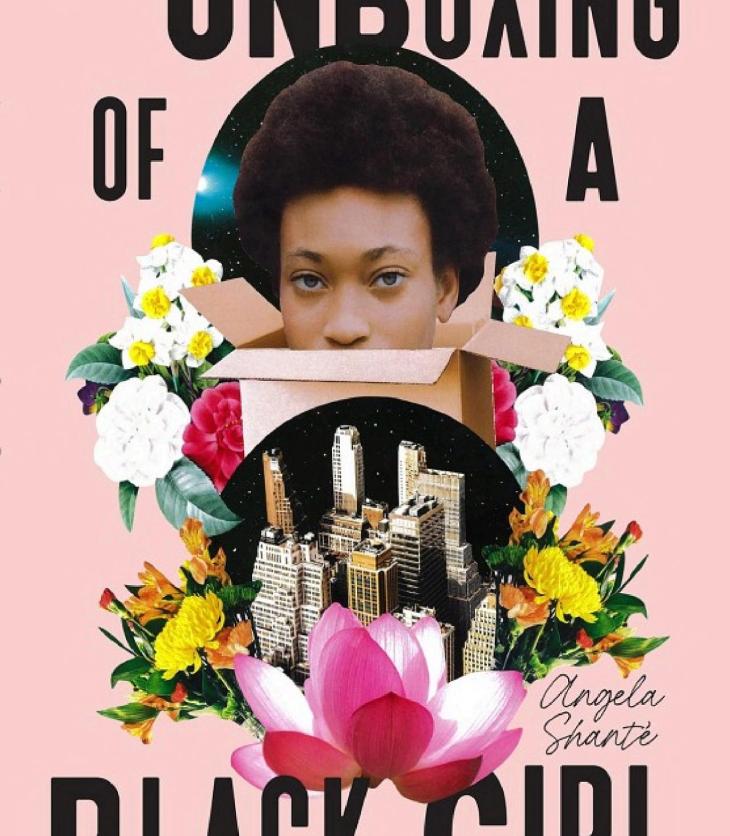
The poet writes of boxes, or labels, used to define and classify Black people, especially ingrained into the psychology of young Black girls. In her prose poem “Floss (Verb),” she introduces the verb meaning “to flaunt” in her own code of language.
(reviews)

Rarely do we see the history of the Revolutionary War and Founding era considered in the context of Midwestern history. Most commonly, this time period’s impact on the Midwest is simply ignored…
(reviews)

Cris Mazza’s ruminations, on full display, are provocative and frequently resonant of the shared problems we women must reckon with. She challenges us to refuse to be victims, she confides a hundred petty aversions it’s satisfying to recognize.
(reviews)
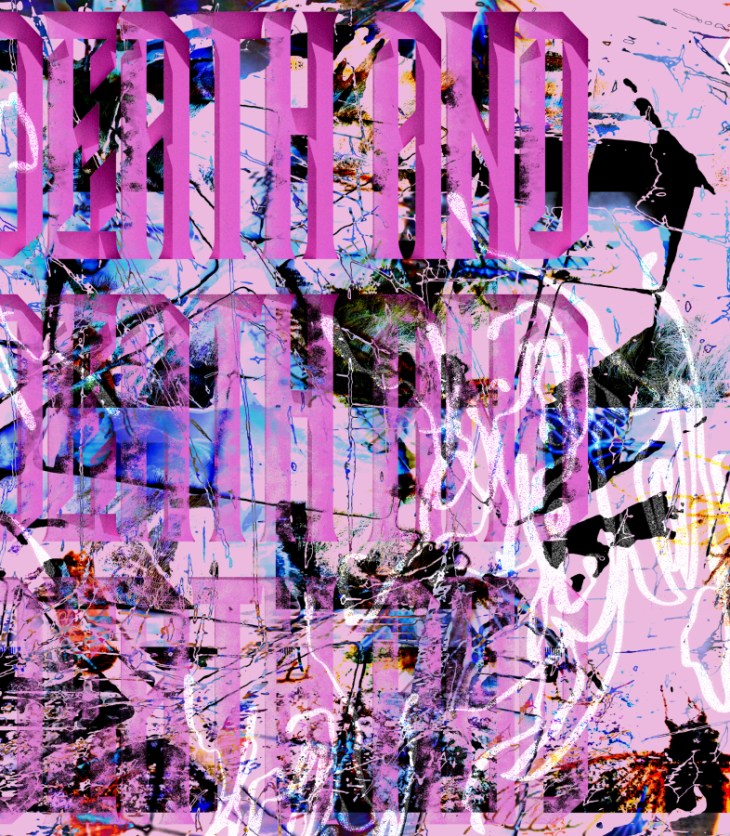
“Death and” is ultimately an epic fable about the relationship between its autobiographical speaker and the figure of Death as the speaker navigates plague, loss, precarious labor (sexual, manual, gig economy), and trans experience.

Harvey’s book is like a collection of deeply intimate fables: fables that explore the past and present, familial relationships, nostalgia, and the ephemeral nature of life’s tragedies.
(reviews)

Nothing is so dangerous as a news report wherein Palestinians die in the passive voice, the horrific violence massaged into meaningless oblivion, the perpetrators somehow irrelevant.
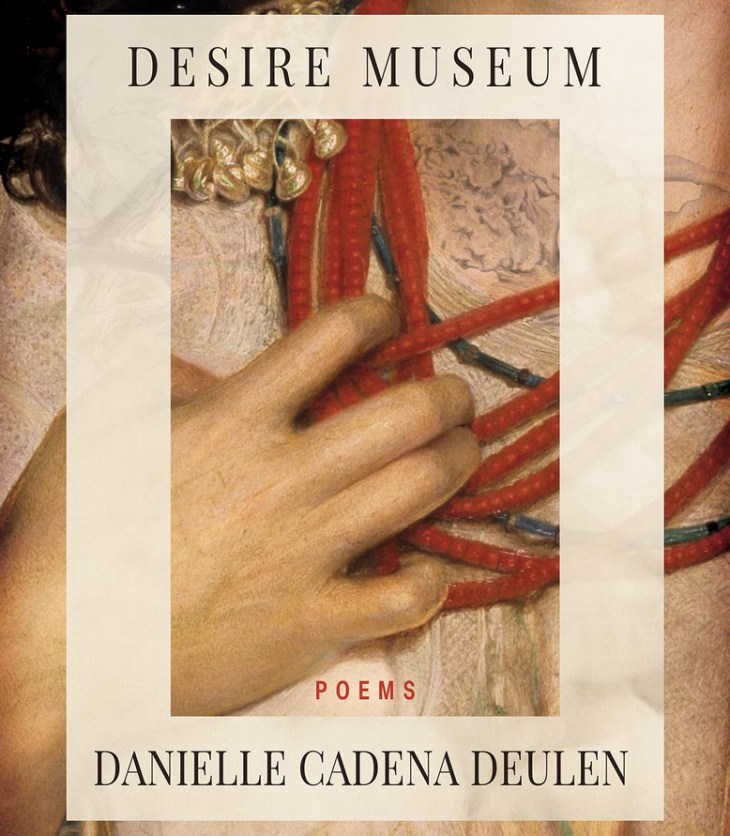
Some art just makes you think instantly of the seven deadly sins. Not because they traffic in, say, lust, but because they arouse feelings in you with such painful precision that it seems some dark magic has occurred.
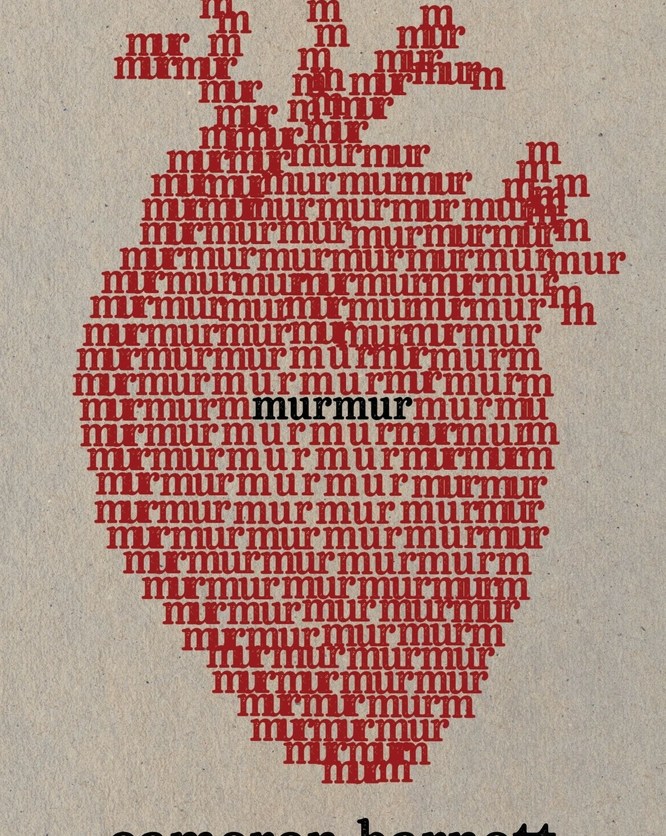
Barnett stretches meaning in other poems to include celestial bodies and space programs as astronomical murmurs, and hauntings as the murmured warnings of systemic racism.
(review)
A renowned poet interrogates his colonized self.
(review)

The novel is stamped with an epigraph: a quote from “Everybody Wants to Rule the World” by Tears for Fears. There’s an alchemy between the novel and the song that should not be overlooked—it adds an eeriness to Gråbøl’s profound yet distant prose as if the true emotion of the writing has been blunted by fear or pills.
(review)

By sharing her personal stories, Petro shows us how to travel our own long field between who we were before—before the divorce, the accident, the grief, whatever profound losses shape us—and who we became after, who we are always becoming.

Hawk is an everyman, a representative of everyone human. And—like Christian in John Bunyan’s moral allegory A Pilgrim’s Progress, like Dante in The Divine Comedy—Hawk is on a journey to the Godhead.

It’s in these moments that Hobbs Hesler subtly presents space for the reader to ponder the lessons we learn at any age, picking apart notions that we should get second chances.
(reviews)

Thirty-four houses in thirty-four years, as if the idea of putting down roots was anathema to her.
(reviews)

Show me a mistake that isn’t avoidable or a person who never makes one. How much easier these characters’ lives would be if they allowed themselves to fail and learn and grow.
(reviews)
The request to be granted refuge in Britain or the US from victimization based on sexual orientation, religion, tribe, and/or familial ties, as soon as it is uttered before certain authorities, initiates a formal evaluation of the refugee’s narrative, which is held up to impossibly arcane, contradictory, even Kafka-esque standards by asylum officers over endless retellings.
These characters feel like people you might know, people you meet on the dance floor at a Boystown club or a queer apartment party, people you’ve loved and lost.
(reviews)

She bravely gazes into the unknown without trying to articulate what gazes back.
(reviews)

“Shame and living, living with it, living through it, living past it. This is what these stories are made of.”
(reviews)
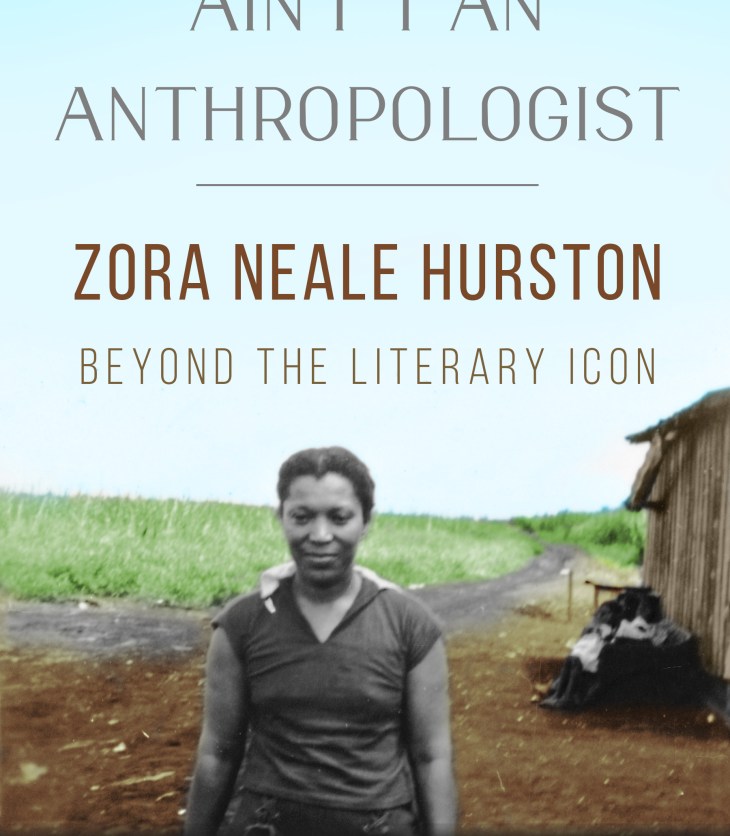
Hurston consistently drew attention to herself in her ethnographies and included the dialogue of her interlocutors, thus eschewing the objective and distant narrator perspective.
(reviews)

AGAINST THE WRITTEN WORD takes heaping helpings of alienation and disillusionment and shoves the mixture through a grinder of sarcasm and satire.
(reviews)
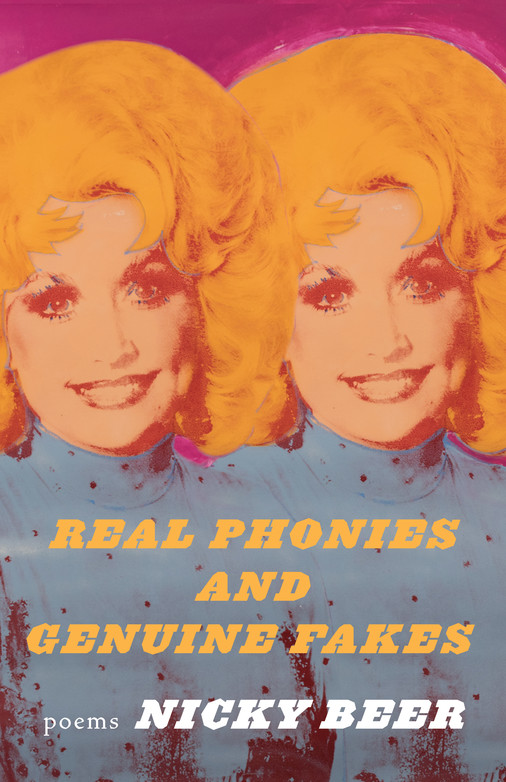
Beer’s truth is her joyfully cynical perspective on the world as it unfolds before her.
(review)

Adler, in full command of her signature style, presents herself a new challenge, to retrofit her revolution with a few choice accoutrements of tradition.
(reviews)

Performing for the troops, who were more and more dazed and battered as the days went on, Cohen found a kind of personal artistic and spiritual redemption, and the soldiers for whom he performed, touched and a little awed by his presence there (as were the musicians who accompanied him), did, too.
(reviews)
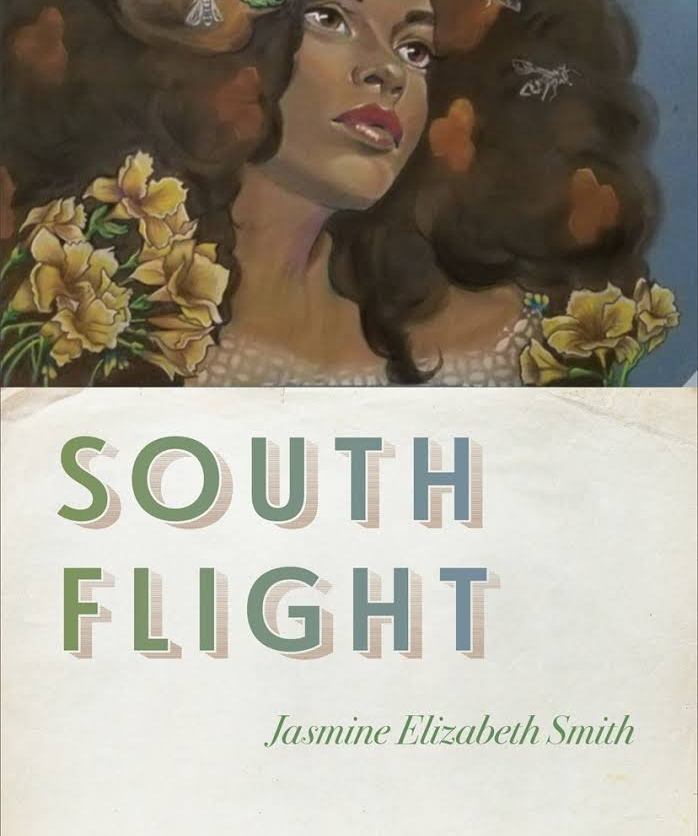
Often, South Flight will offer a line or an entire poem all but exploding with agony and suffering.
(reviews)

“Lehman has claimed a kinship with poets of the past that exists outside time,” writes reviewer Suzanne Lummis.
(poetry reviews)

“Wilkinson’s knowledge of horticulture helps to connect the themes of family, inheritance, and existence to the greater world around us, to all living things,” writes reviewer Meredith Boe.
(nonfiction)

In a sense, post-truth and post-Trump, MAD’s cynically absurd reality has replaced our “reality-based” world. Its outsider and jaundiced view of media, institutions, and those who’ve “made it,” has become de rigueur in American culture.
(nonfiction)

“The lesson in Moore’s father’s biography is that you don’t have to be deep in the bowels of the earth, buried upside down, gulping mouthfuls of excrement to be deep in Hell. You don’t even have to be dead; a few feet below the surface is enough. You just have to be riven with guilt and committed to numbing the pain,” writes reviewer David Gottlieb.
(nonfiction)
 Another Chicago Magazine