
I’m not. I’m not going to take T, I’m not changing my pronouns or my name or anything. I’m just
getting top surgery, Mom. It’s just… it’s just a change.
(drama)

I’m not. I’m not going to take T, I’m not changing my pronouns or my name or anything. I’m just
getting top surgery, Mom. It’s just… it’s just a change.
(drama)

“I WANTED TO WATCH HER WITHOUT HER SEEING ME”
“BREAK TIME INTO PIECES”
(poetry)

We were excited to go to Ukraine
because we were promised a disco night in Donbas organized by a local Young Pioneer
group, a junior division of the Communist Party.
(nonfiction)

“Why is this so romantic to you, always? The death sentence. I get tired of hearing about it. Also, I’m actually tired. If you’re so compelled to take care of me, why are we still here? Maybe get me a chair.”
(drama)
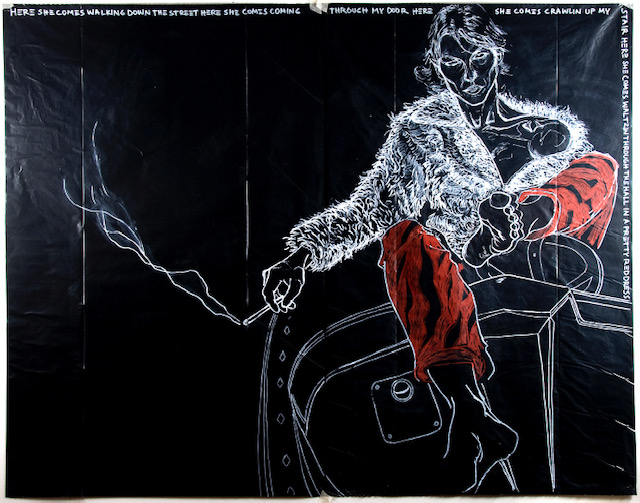
“d. h. lawrence”
“fuck your cv”
(TCTC translations/poetry)
In a text to a friend, months after the last time I see her I say, “She still has my heart.”
“You’ll want to get that back,” he says.
(nonfiction)

In the parking lot, her fears festered. She was about to explode and had to do something, anything, to distract herself. Between working long shifts and taking care of Jason, she had no time for friends other than her co-workers, and she couldn’t face them.
(fiction)

After the death of University of Iowa nonfiction force Carl Klaus, three writers reflect about his impact and influence.
(nonfiction)

I wonder if we’ve grown increasingly desensitized to the number of severe weather events we face in a destabilizing climate. Even those of us directly affected think of it as an anomaly, unlikely to happen again—at least to us.
(nonfiction)
“The Blind Musicians”
“Pontos”
“The Smokers”
(poetry)

Everything has its “sleeves,” I think, has its crap that just dangles there and overcomplicates things, even people, even me, especially me, or my mother for god’s sake, or my finances, or my body, good lord, and the same holds true for the city, I think.
(fiction)

All right, yes, but the statement, that’s the important thing, the statement that is being made. To render gender meaningless, that is my purpose.
(drama)

I might have pounded on the door or tried to break the window or loudly insisted on the key. And I might have awakened an angry, unbalanced and much stronger man.
(nonfiction)


I became an English teacher to help students feel a bit less lonely in the world through the literature we read. Identifying with other characters who also were lonely, like Juliet, sometimes seemed to work. How odd it must seem that one’s isolation might dissipate when reading about someone else feeling lonely, but there it is.
(nonfiction)
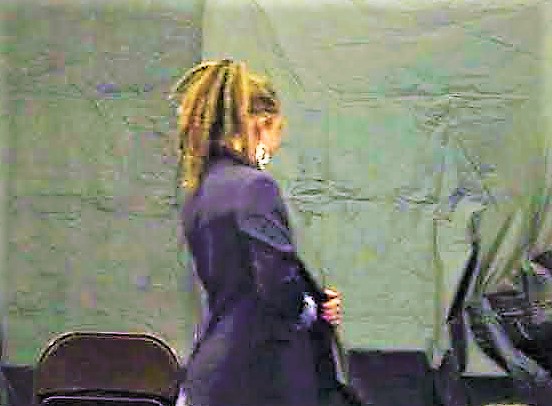
Women & Children First bookstore opened November 9, 1979, in Chicago. Chelsey Clammer writes about working there from 2006 to 2011, where she healed, sold books, and did Burlesque.
(nonfiction)

Earlier I heard the server compare ube’s flavor to marshmallows, which irritated me. I didn’t like how my homeland sweet was reduced to something as common as marshmallows. It is so much more.
(fiction)

In a sense, post-truth and post-Trump, MAD’s cynically absurd reality has replaced our “reality-based” world. Its outsider and jaundiced view of media, institutions, and those who’ve “made it,” has become de rigueur in American culture.
(nonfiction)

I had a long, marginally successful career for someone so young and talentless.
(The Loop)

Someone at the SPCA created a Facebook page for Mittens in 2018, as a way of discouraging Wellingtonians from dropping him off at the shelter. “Mittens is not lost,” the page says.
(nonfiction)
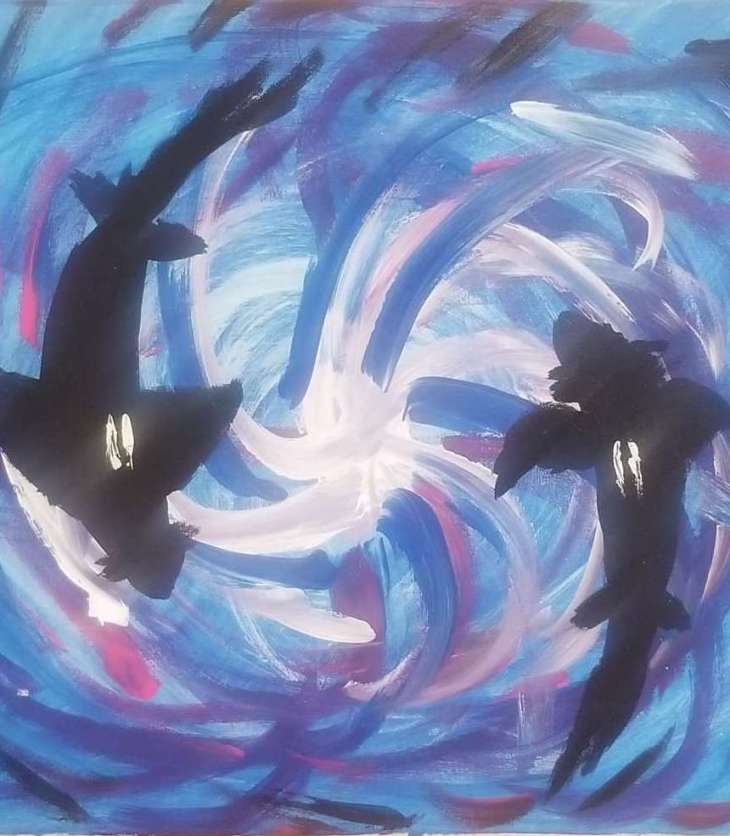
“Thank god you weren’t injured,” people said after the Flashlight Man, but while I wait to get my cast off, many projects halted by my inability to type, I consider this: Was I injured back then?
(nonfiction)

“If you want to be a writer, you get to be one forever. Sometimes that means big chunks of time where you are not building sentences because you’re living the experiences that you’re going to build the work out of. So drop the shame about it,” Megan Stielstra tells Barbara West.
(interview)
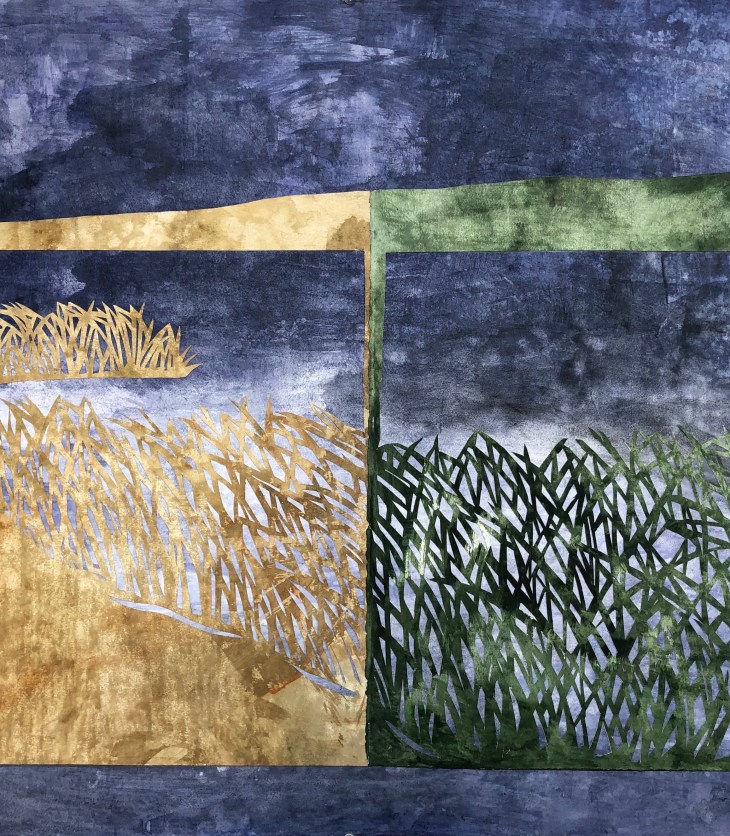

Well, real estate agents can make magical things happen you know. I’ll ask them to paint the room. How about a beige?
(drama)


“That which befell you neither occurred nor didn’t occur”
“At the end of every season”
“Discover the place where you live”
(poetry)

When one language dies by ceasing to be spoken or otherwise embodied, so too perishes an entirely singular way of being human.
(nonfiction)

 Another Chicago Magazine