✶✶✶✶
(poetry)



It was a space where his Swahili was adequate—he only needed to know numbers and how to say nashuka hapa or command shika when paying the conductor. He liked the feeling of anonymity yet knowing the system.
(fiction)

“Colorado”
“Arkansas”
(poetry)

Transit Authority regulations required drivers, young and old, to wear bland gray ties around the collars of our bland gray uniform shirts in addition to gray regulation sweaters and jackets, but after checking in for our routes for the day and transfer books many of us hotshots replaced our ties with tropical bandanas as a way of putting a little color into the city’s frequent gray days.
(nonfiction)

When Owlet was two years old I ran across the phrase “a mother should tempt her child into the world.” Meaning that she should show her child how cool it is to be alive, how interesting it is, how inspiring. Something like that. And that’s probably a good idea. I’m trying.
(drama)
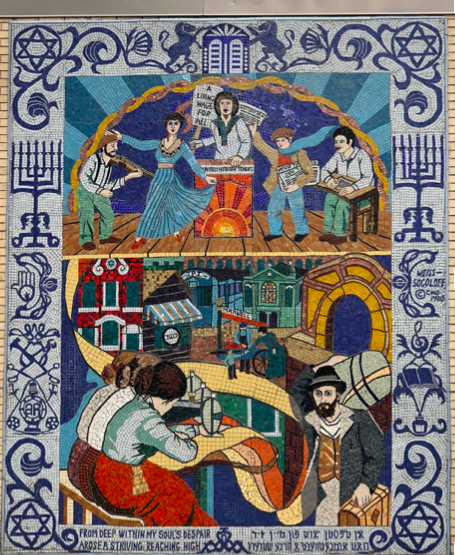
“To actually physically be fixing broken things just felt like this is the only thing to be doing right now. It is our job as Jews to do tikkun olam–to repair the world.”
(interview)
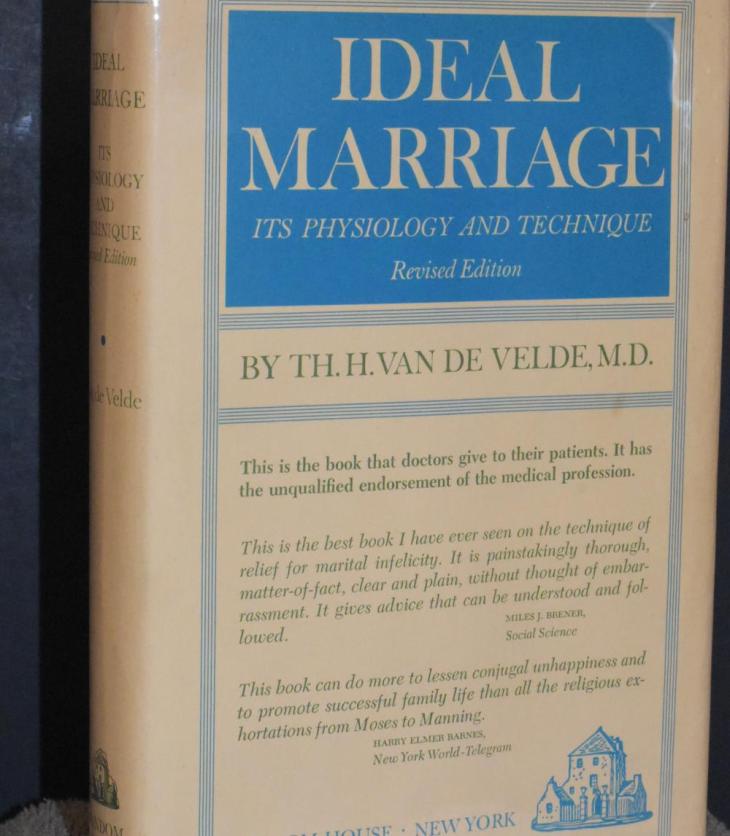
That need for a map—to marriage? To love? To sex? To life?—seems to have dominated the lives of my parents, who vied for their analyst’s attentions like children for that of a favorite babysitter.
(nonfiction)

Could it be this simple, to be a human man?
(fiction)

“The lesson in Moore’s father’s biography is that you don’t have to be deep in the bowels of the earth, buried upside down, gulping mouthfuls of excrement to be deep in Hell. You don’t even have to be dead; a few feet below the surface is enough. You just have to be riven with guilt and committed to numbing the pain,” writes reviewer David Gottlieb.
(nonfiction)

“Ellen H. Swallow Richards (1842-1911)”
“Jocelyn Bell Burnell (b. 1943)”
(poetry)

