A renowned poet interrogates his colonized self.
(review)
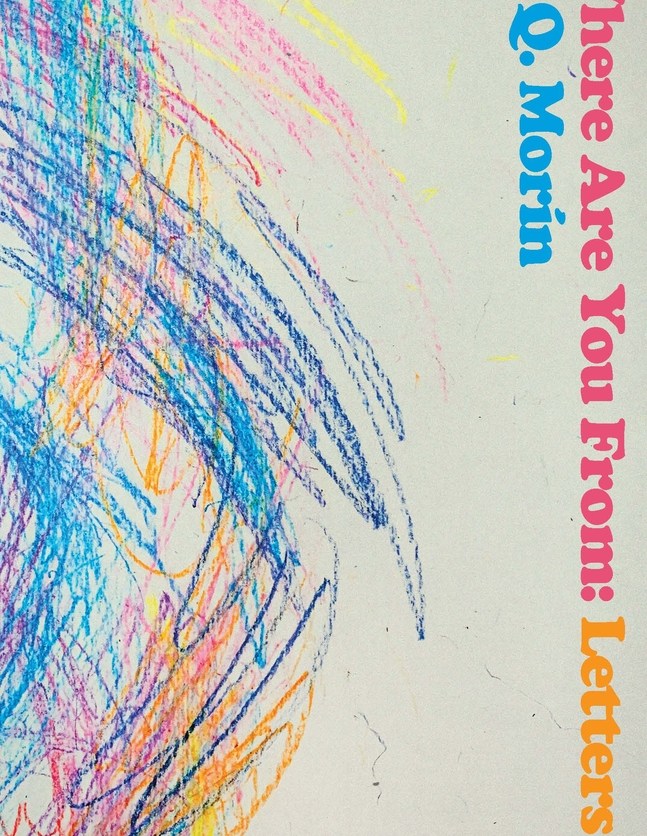

A renowned poet interrogates his colonized self.
(review)

The latest in our FORTHCOMING series of excerpts from new and recent books:
But in 1961, basketball coaches had yet to become gods. His office was only a little larger than a janitor’s closet.
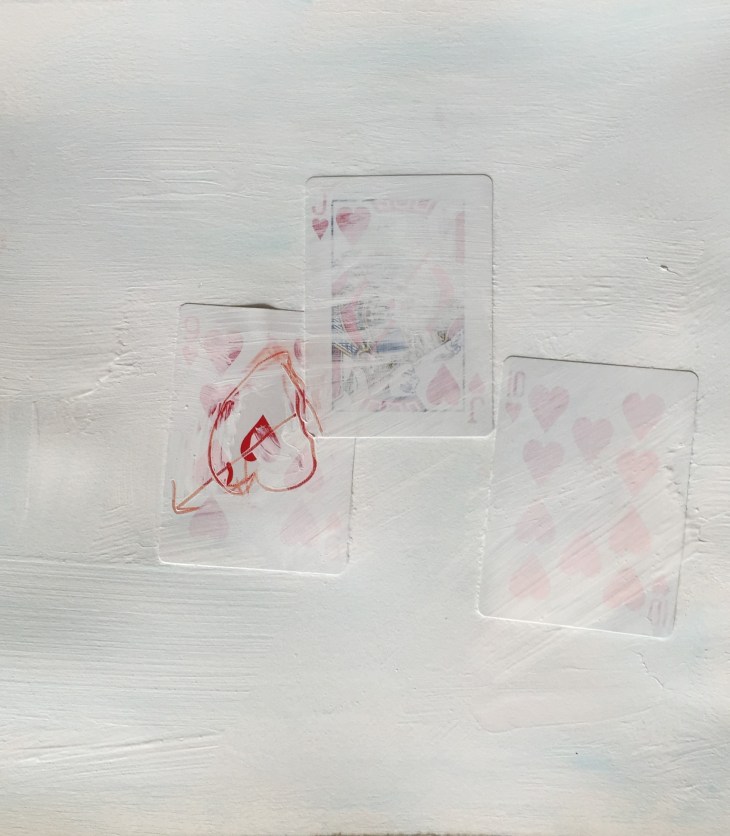
That Childhood Continent Beyond Illumination are pieces from a larger suite of automatic drawing/poem paintings, intentionally completed in an afternoon.
(art and text)

Even when a partner tells me they like or love my parts, I’m too entrenched in shame about my labia to believe I could be desirable.
(nonfiction)

The novel is stamped with an epigraph: a quote from “Everybody Wants to Rule the World” by Tears for Fears. There’s an alchemy between the novel and the song that should not be overlooked—it adds an eeriness to Gråbøl’s profound yet distant prose as if the true emotion of the writing has been blunted by fear or pills.
(review)

On the last page of Eveline’s printed homicide story, she has scribbled, “The story might not follow the rules, but I got your attention, didn’t I? You’ll always remember me.”

I was stunned. Sitting there staring at them, I could not believe their power—that they could make the debt, the beast, vanish in the blink of an eye.
(nonfiction)

By sharing her personal stories, Petro shows us how to travel our own long field between who we were before—before the divorce, the accident, the grief, whatever profound losses shape us—and who we became after, who we are always becoming.

The latest in our FORTHCOMING series of excerpts from new and recent books:
Like a twig afloat on a sea of dirty towels, the feeling inside me, laid out on the countertop of my soul, filleted and sweating in the humid air. And yet, wonder eludes the twirling gearhulk of my heart.

Hawk is an everyman, a representative of everyone human. And—like Christian in John Bunyan’s moral allegory A Pilgrim’s Progress, like Dante in The Divine Comedy—Hawk is on a journey to the Godhead.

