I went to the lakefront at sunrise, but the beach and
sky were empty, and my dear friend
was not there.
(poetry/Palestinian Voices)

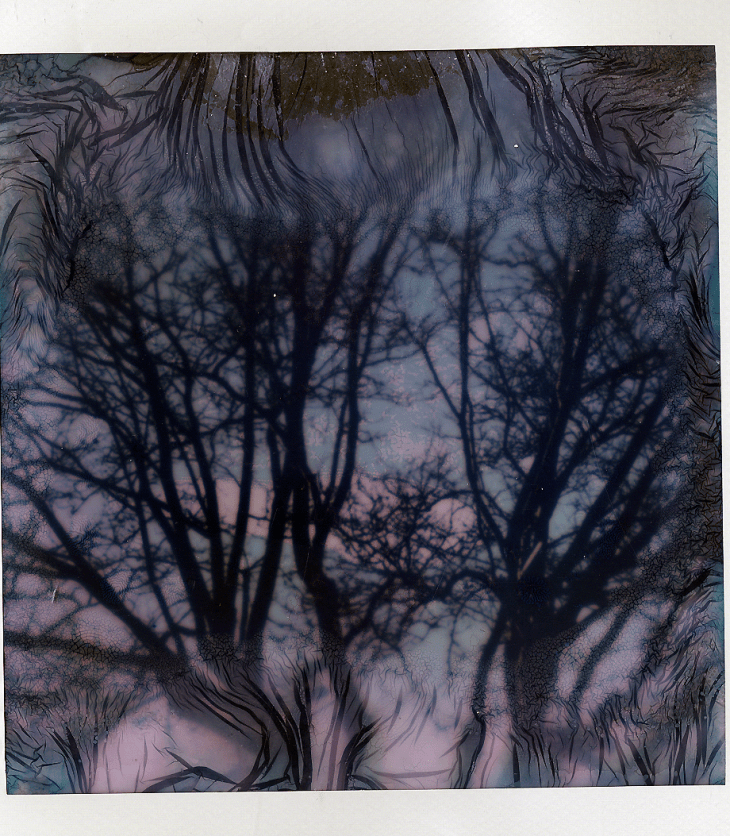
I went to the lakefront at sunrise, but the beach and
sky were empty, and my dear friend
was not there.
(poetry/Palestinian Voices)
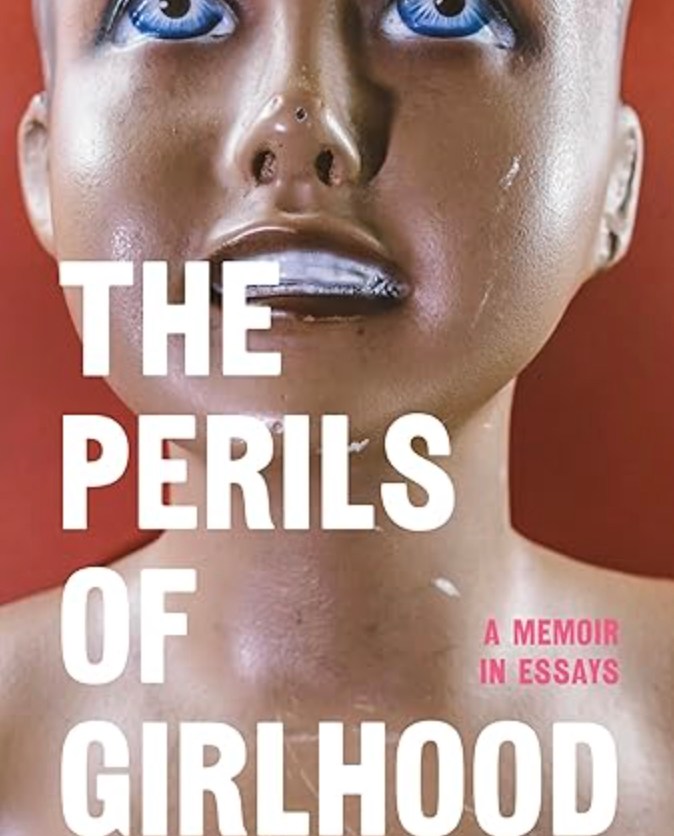
If we look more closely, we see the doll’s skin marked by chips in the paint—traces of violence that our girl has survived—her searing blue eyes defiantly looking toward the sky, or at least something higher than where she is now.
(reviews)
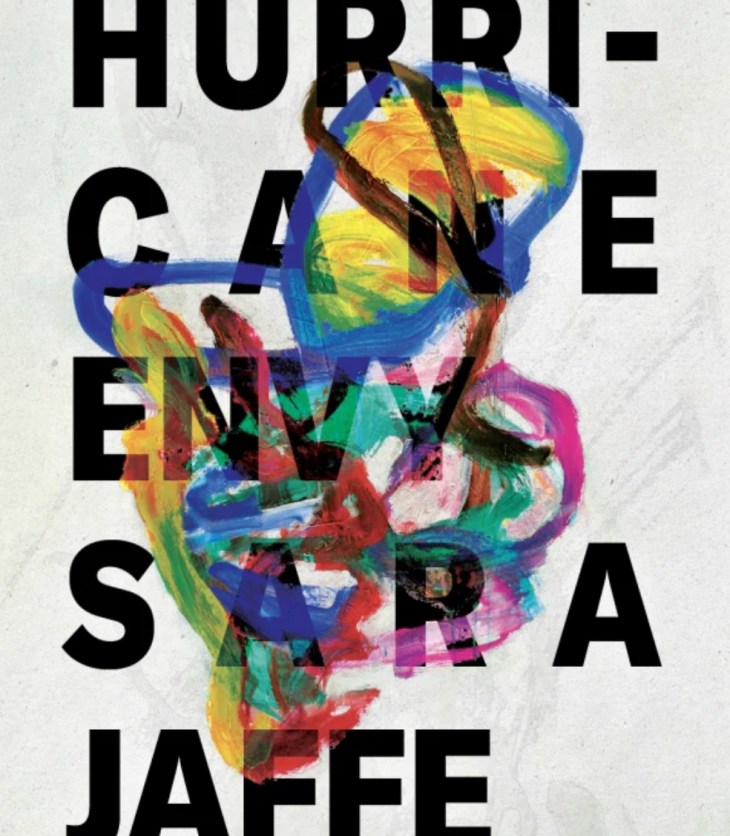
The book’s title is derived from the story “Stormchasers,” in which a couple that moved cities constantly compares the two places while trying to establish a routine. They admit to having “hurricane envy” as they realize that a coming storm won’t really impact them, despite their preparations.
(reviews)
in my city, two fallen en route
to a market, eight more
at an intersection
of a hospital, ice
in their cheeks, hair, lips as if
they said goodbye
(poetry)
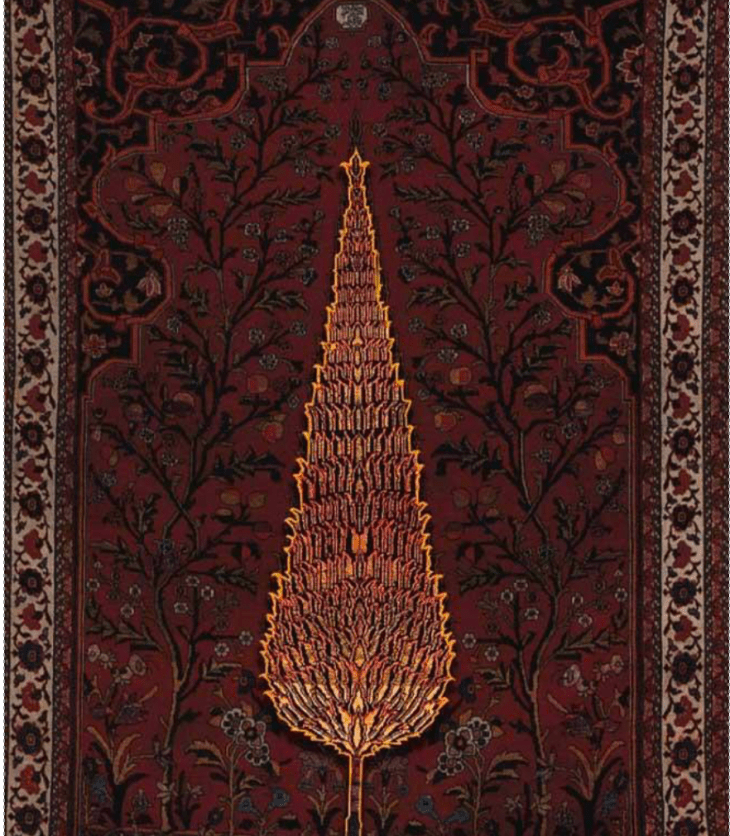
One of the famous Iranian rug patterns is the Tree of Life, in which the tree is often located on the vertical symmetry line of the carpet. The tree symbolizes the connection of earthly beings to the heavens.
(poetry)
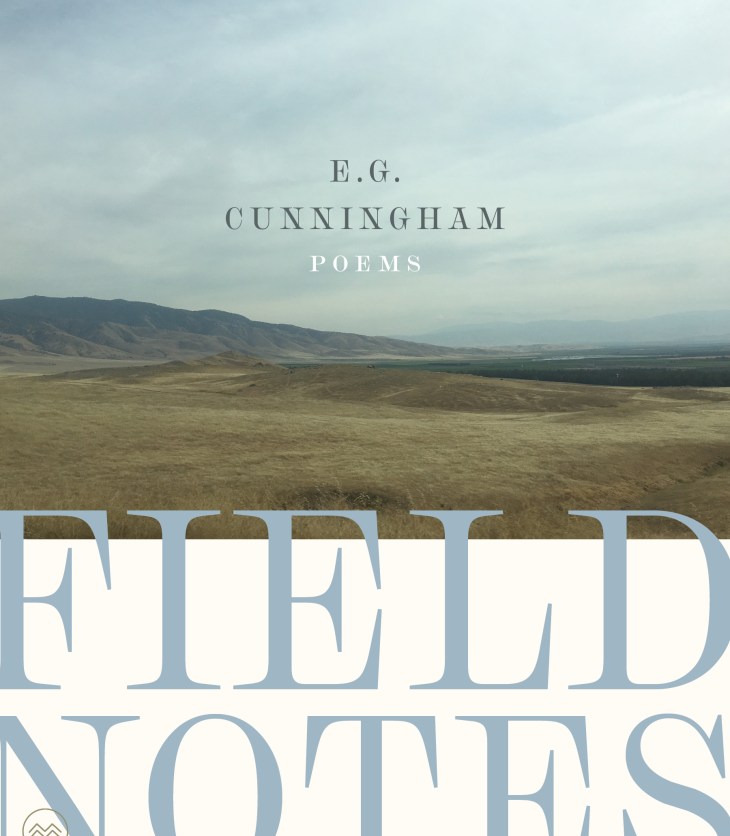
In both concept and practice, we ask a great deal of the field, making it an adaptable metaphor in poetry and art: the open field, the blank page, the blank canvas. The field suggests potential, something unspoiled and limitless where growth is inevitable.
(reviews)
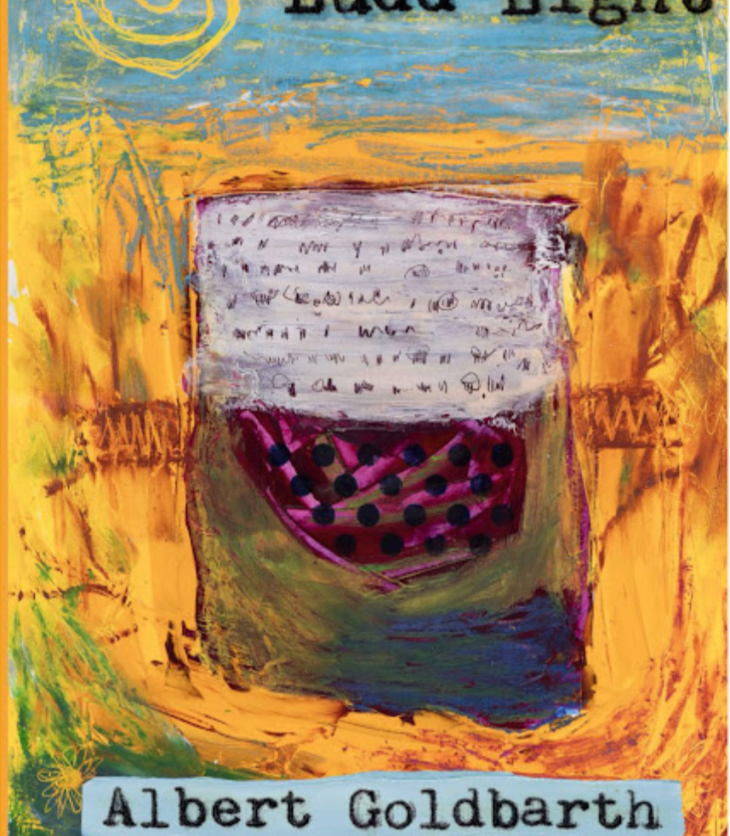
The poems conjure historical and essential artifacts, from “Before Refrigeration” to “Beckoning DigiSex,” and people, too, such as Darwin walking on mountains above the sea, and the poet’s grandmother, whose life “began in Kitty Hawk / and ended in Sputnik.” The tone includes not a simper of lachrymosity for some mythic, ideal time. “The poems included here,” Goldbarth’s introduction continues, “are meant to elegize.”
(reviews)
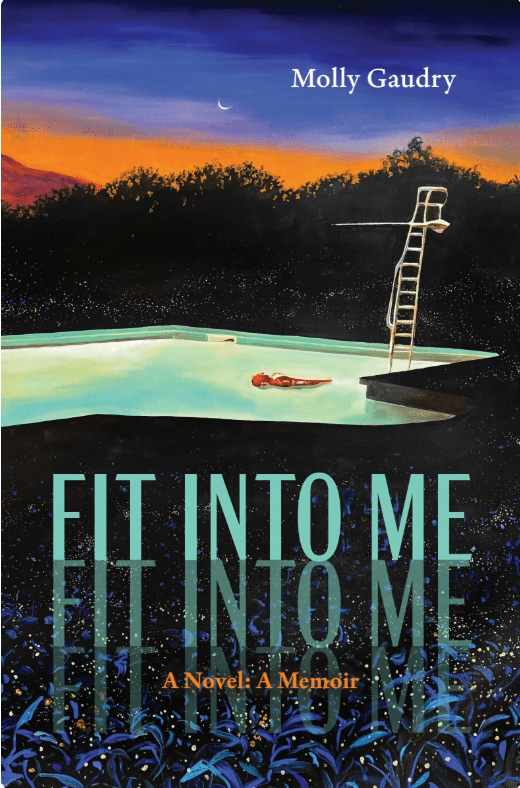
The title comes from Margaret Atwood’s poem “You Fit Into Me,” a borrowed line that helps Gaudry translate her own feelings. The phrase “fit into me” can act as both a plea and a demand, asking us to place ourselves inside the characters—but borrowed language can also act like a mirror, reflecting our own experiences back at us rather than revealing hers.
(reviews)
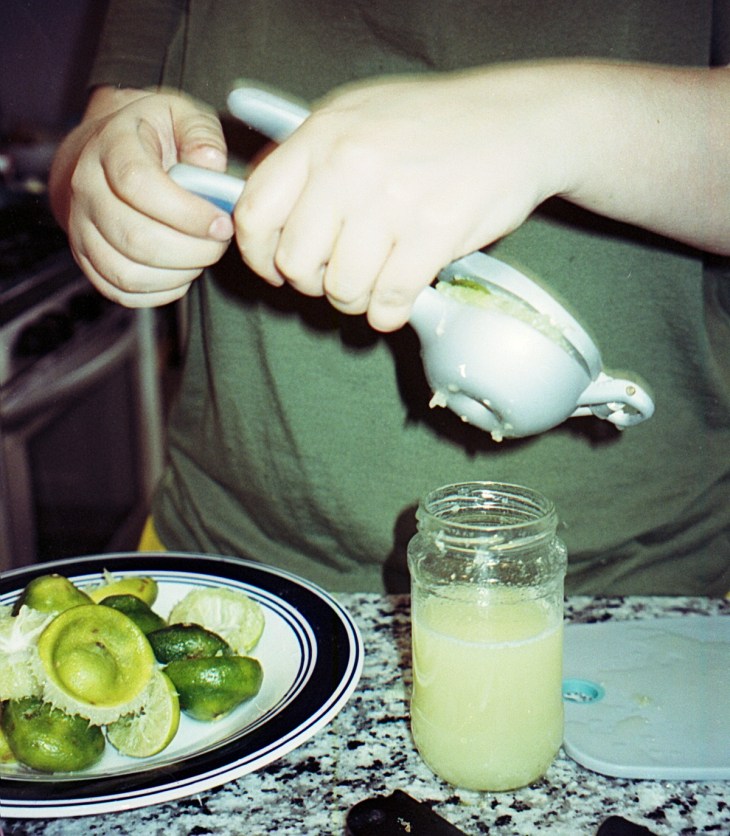
Anesthesia for the moment. Anesthesia for the pain. The anesthesiologist’s line: “Don’t worry, you won’t remember this when you wake up,” is precisely what worried me. I didn’t remember. What else had I missed?
(nonfiction)
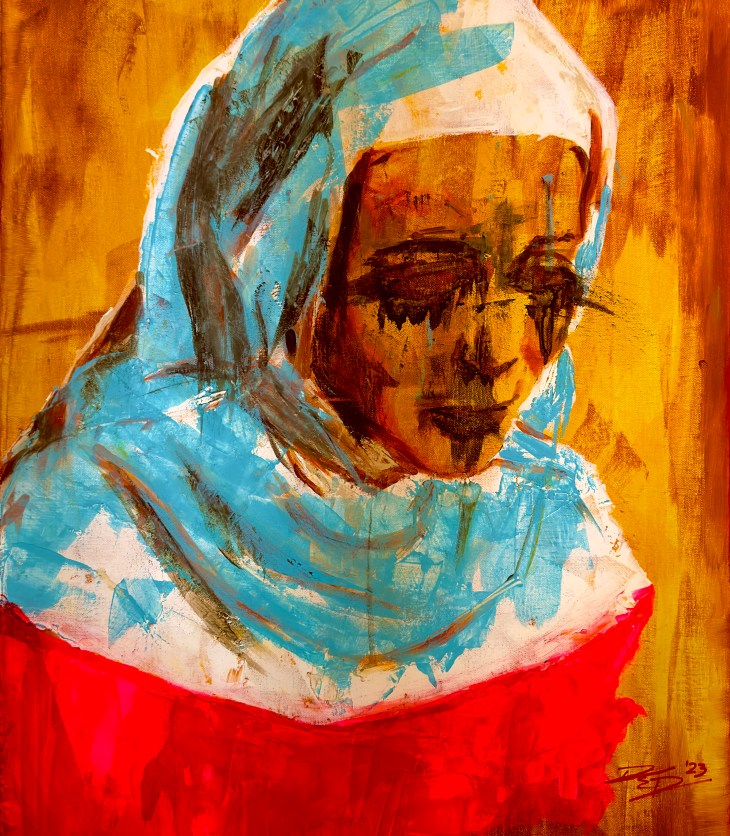
this sharpness
of ritual burns
toward expiation, but
the body kindles
(poetry)

