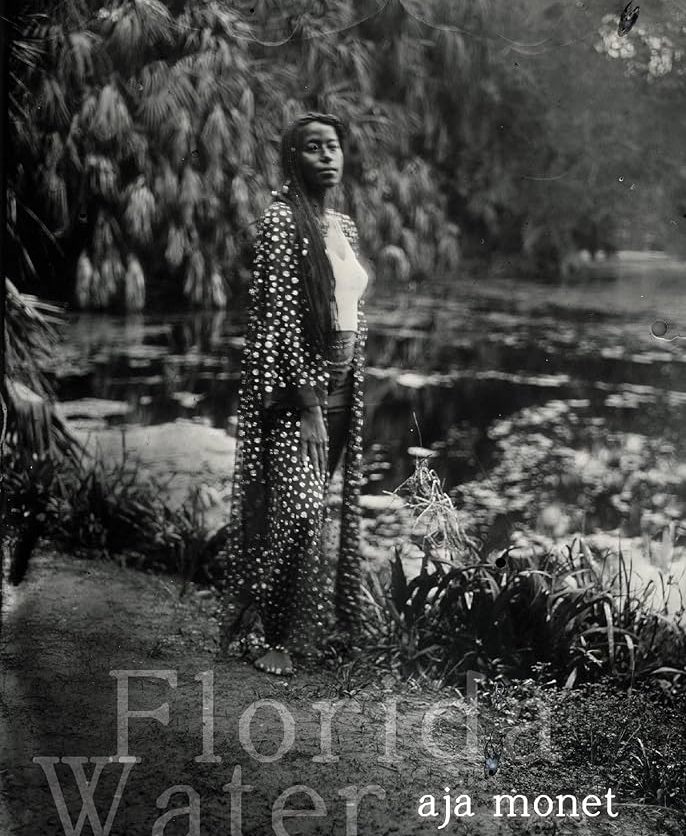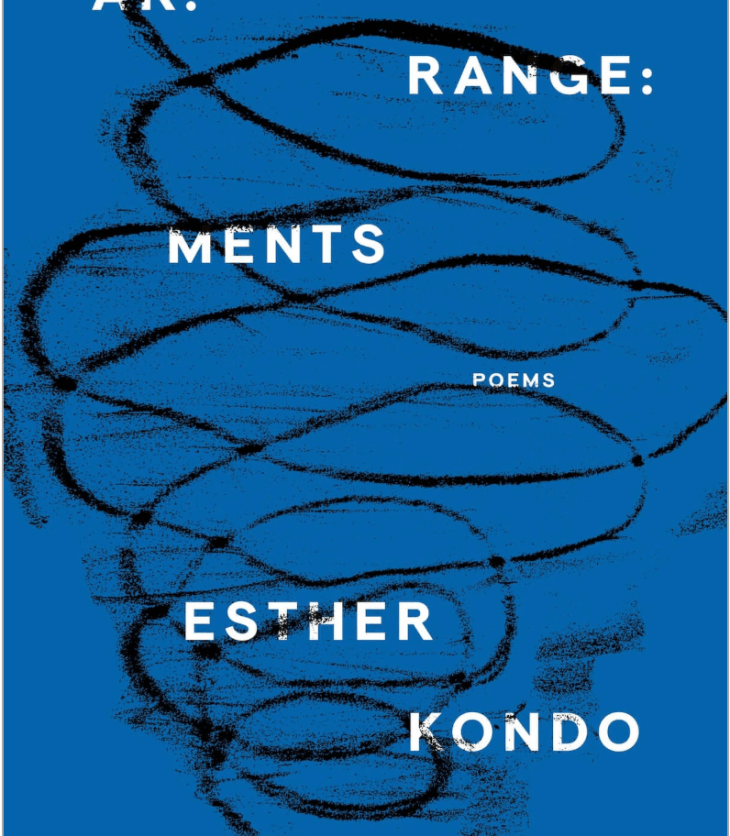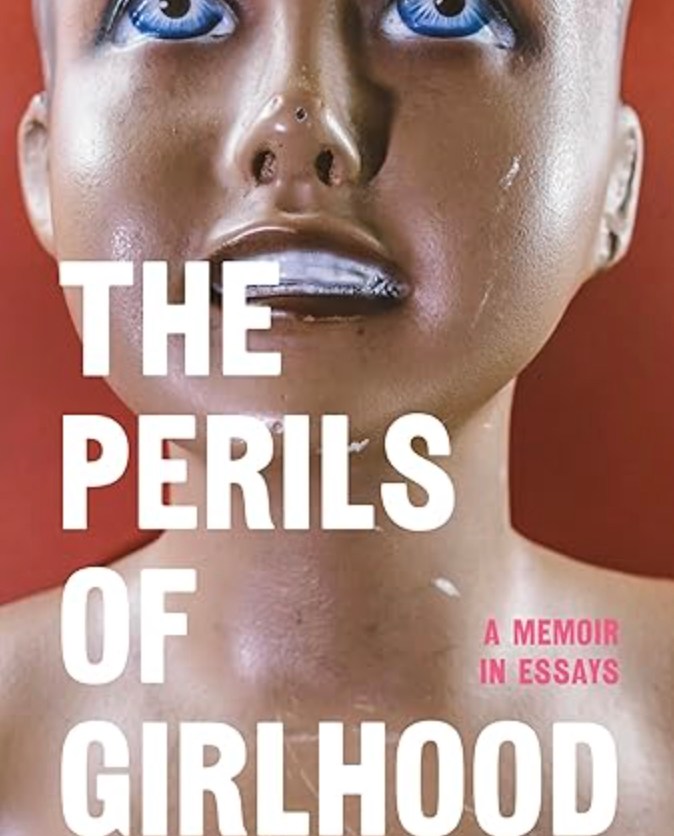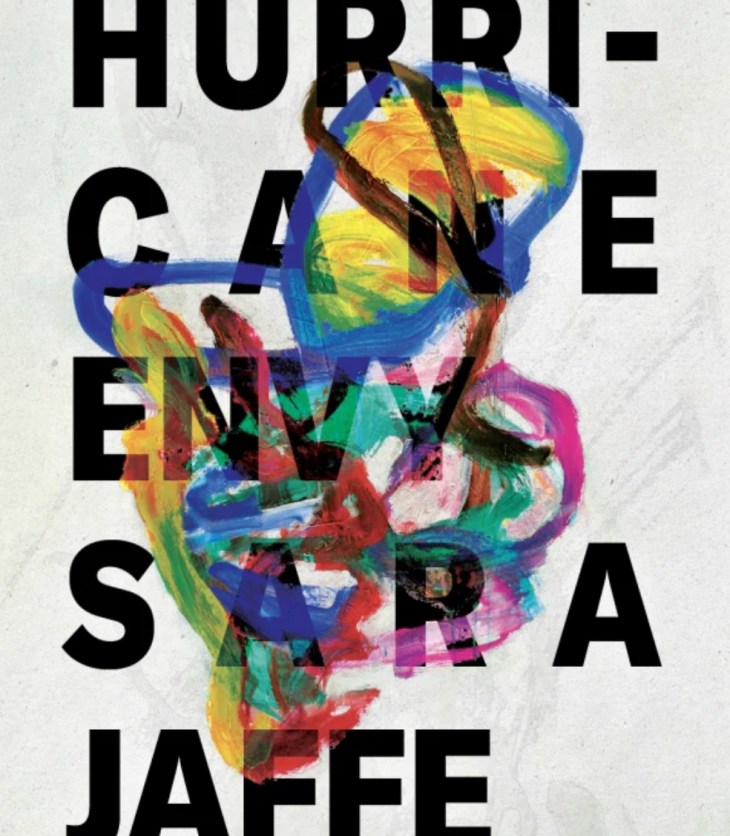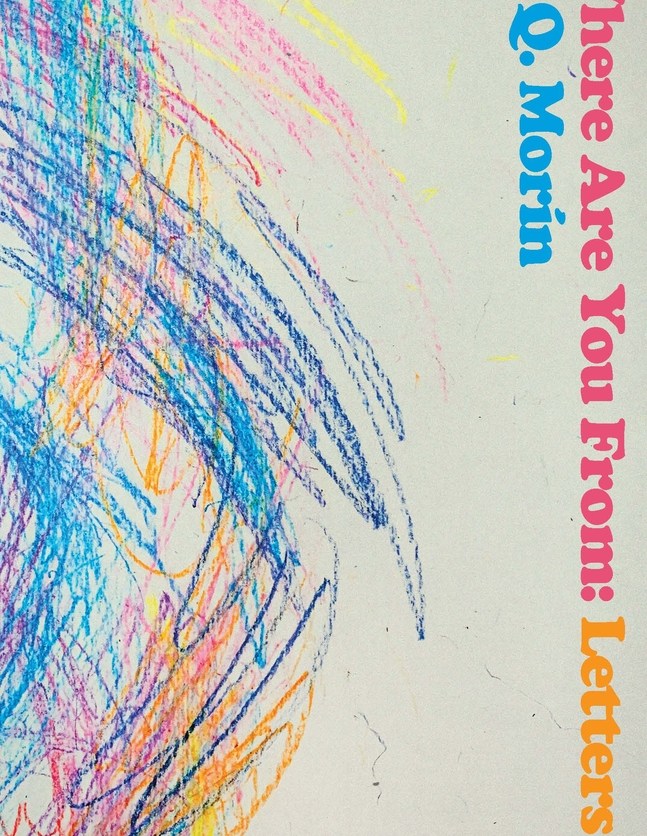
If God appears on these pages, it is in the sacred clarity of the concrete detail. The speaker as a young girl, drawing ankhs and peace signs in the back of her bible, listening to a hymn as it slides beneath the pews.
(reviews)
Tag: Review
Can violence be made into beauty? Can beauty be used to dignify the stain of violence? Sloan seems to suggest so, perhaps, by conceiving of Ophelia’s body as part of nature—indistinguishable from it.
(reviews)
Shiki wrote haiku—tens of thousands of haiku—elevating himself to the immortal ranks of Bashō, Issa, and his personal hero, Buson. However, Shiki did not want to go back to the past and its masters; he wanted to reinvent what he believed was a dying art.
(reviews)
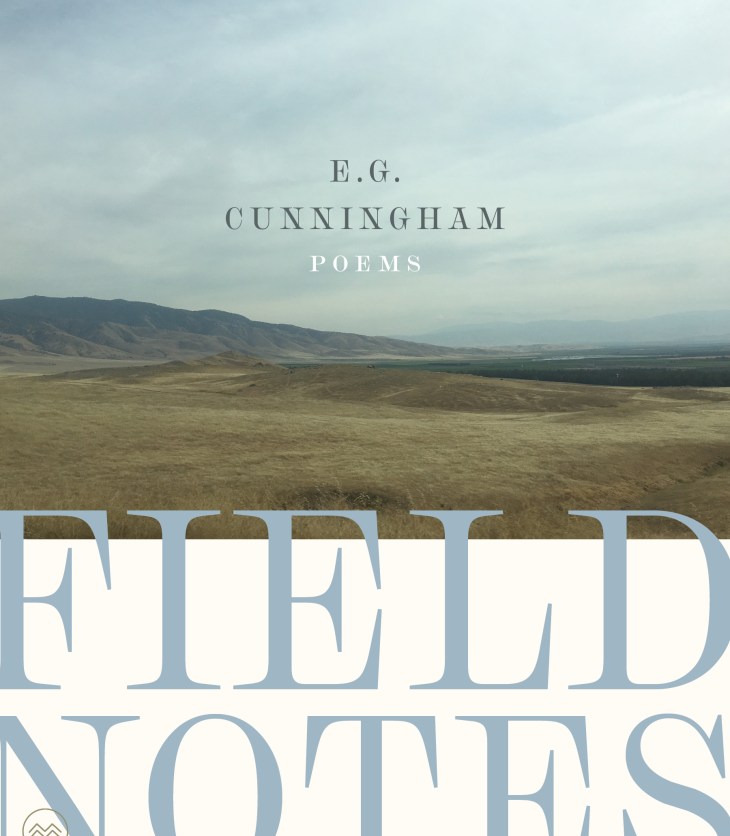
The book, at its core, follows the speaker’s daily journeys along a rugged mountain road over the course of a year, with the gravel thoroughfare and its environs serving much the way Thoreau’s Walden Pond once did— fueling reflections on humanity in general, and the present moment more specifically.
(reviews)
This week, ACM is posting book reviews every weekday.
The book, at its core, follows the speaker’s daily journeys along a rugged mountain road over the course of a year, with the gravel thoroughfare and its environs serving much the way Thoreau’s Walden Pond once did— fueling reflections on humanity in general, and the present moment more specifically.
(reviews)
This week, ACM is posting book reviews every weekday.
Supposing there was any lingering hope that the modal interventions of capitalism might deliver us, as a whole, into a brighter, more sustainable future, well, Gilbert’s poems are here to announce the ethical insolvency of that hope—or, not only are we totally, irrevocably fucked, but the severe degree to which we are fucked has already reshaped our ecology, our futurity, our reality.
(reviews)
Harvey’s book is like a collection of deeply intimate fables: fables that explore the past and present, familial relationships, nostalgia, and the ephemeral nature of life’s tragedies.
(reviews)
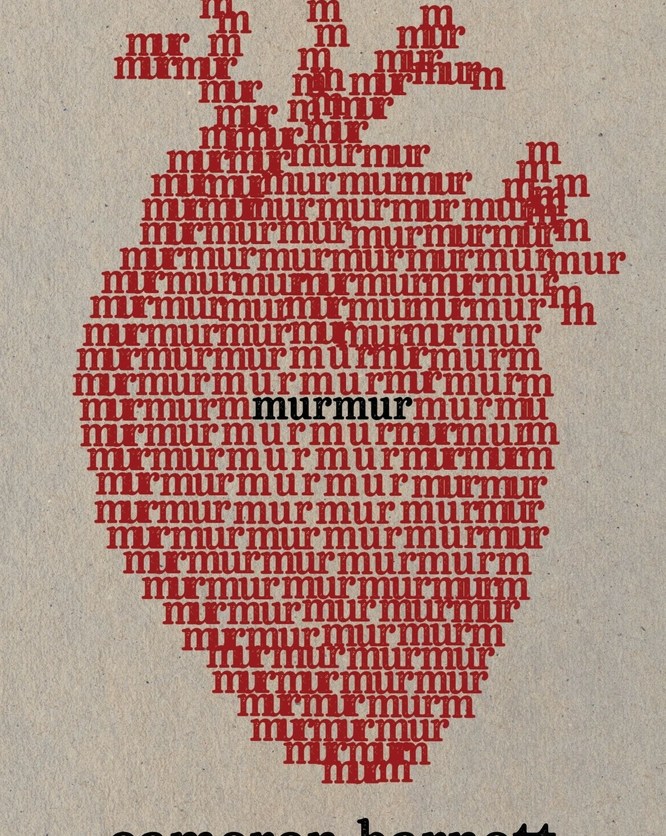
Barnett stretches meaning in other poems to include celestial bodies and space programs as astronomical murmurs, and hauntings as the murmured warnings of systemic racism.
(review)
A renowned poet interrogates his colonized self.
(review)
The novel is stamped with an epigraph: a quote from “Everybody Wants to Rule the World” by Tears for Fears. There’s an alchemy between the novel and the song that should not be overlooked—it adds an eeriness to Gråbøl’s profound yet distant prose as if the true emotion of the writing has been blunted by fear or pills.
(review)
Thirty-four houses in thirty-four years, as if the idea of putting down roots was anathema to her.
(reviews)
Show me a mistake that isn’t avoidable or a person who never makes one. How much easier these characters’ lives would be if they allowed themselves to fail and learn and grow.
(reviews)
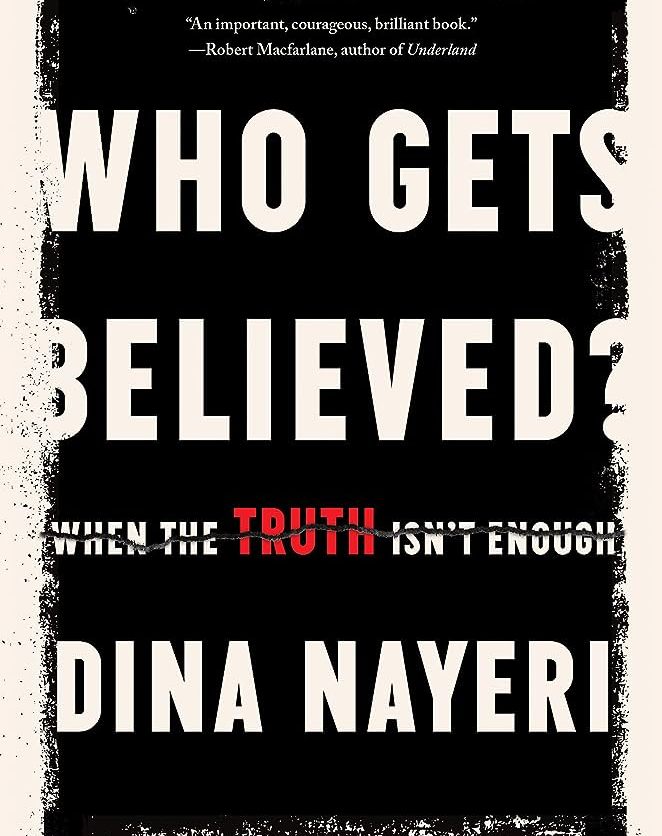
The request to be granted refuge in Britain or the US from victimization based on sexual orientation, religion, tribe, and/or familial ties, as soon as it is uttered before certain authorities, initiates a formal evaluation of the refugee’s narrative, which is held up to impossibly arcane, contradictory, even Kafka-esque standards by asylum officers over endless retellings.
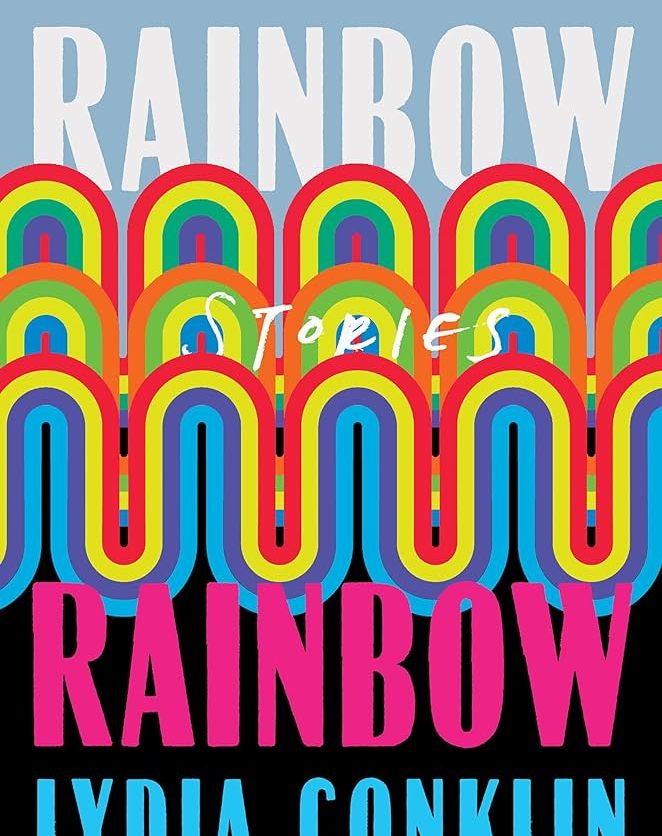
These characters feel like people you might know, people you meet on the dance floor at a Boystown club or a queer apartment party, people you’ve loved and lost.
(reviews)
“Shame and living, living with it, living through it, living past it. This is what these stories are made of.”
(reviews)
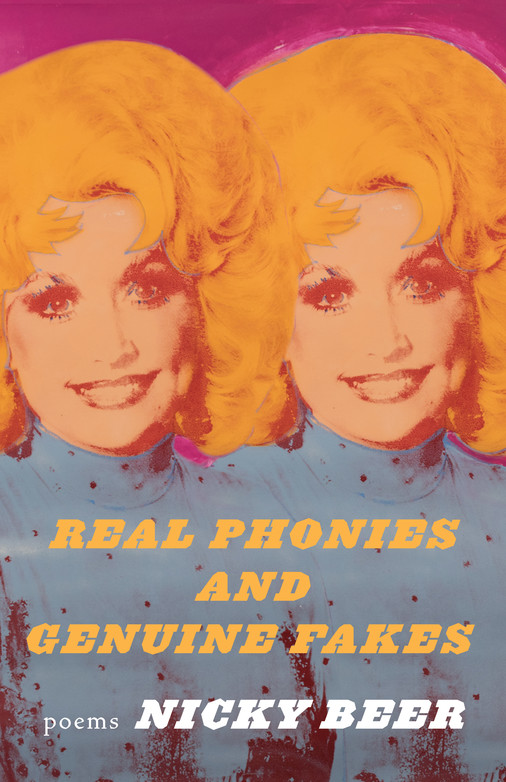
Beer’s truth is her joyfully cynical perspective on the world as it unfolds before her.
(review)
Adler, in full command of her signature style, presents herself a new challenge, to retrofit her revolution with a few choice accoutrements of tradition.
(reviews)
“Whether V’s and June’s story is your or my family story,” writes Chelsea Biondodillo, “it is still our story and it should rattle and anger even as it hollows out a soft spot in the heart for these fierce and sorrowful unsung stories.”
(review)