
It’s always interesting to hear the term “free market” used in The New York Times, as well as other major media outlets. It’s rarely, if ever, done in a negative sense.

It’s always interesting to hear the term “free market” used in The New York Times, as well as other major media outlets. It’s rarely, if ever, done in a negative sense.
Birds on a Wire
There’s an image I saw somewhere online: two or three dozen blackbirds are perched up on powerlines. All are on the highest powerline except for one; on the bottom wire, there’s a lone blackbird smack in the middle. A caption reads, “Who did you notice more?”

Sometimes pain blunts my memory of myself.
I’m not trying to minimize your woes, but I’ll see your bad knees and rosacea and raise you no boobs, scar tissue, and fragile post-chemo hair.

For no reason I can remember I happened to glance uphill to my left.

Tell jokes about “minorities” to “minorities” to show you’re “down.”

“The safest way for you to golf is with a physician by your side,” he replied.
“Theosophy Number One”
“It is All Falling Indelibly Into the Past”

“Lights Out”
“Sitting By Yourself at the End of the World — I Mean, Year”
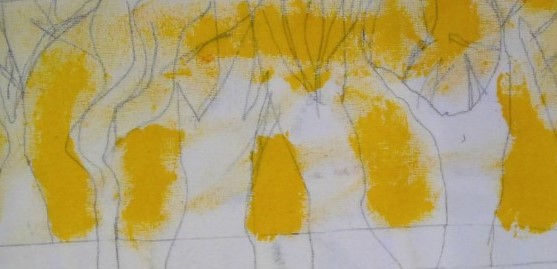
—The Ascension of Slim, Jay Watson, Brauer Museum It isn’t this half moon Jumpmanned just…


The first time Isabel saw Camila’s ghost, she was standing at her beside next to the IV drip. Her face was still eighteen and fresh.


More and more, in late winter especially, I have the feeling that I am dying—or, to put it more accurately, that the best of my life has happened and my decline has begun. And this is a bitter feeling—wrong, too, I hope.

“These shows, and others like them, pulse with near-pornographic magnetism. It’s hard to pull your gaze away.”
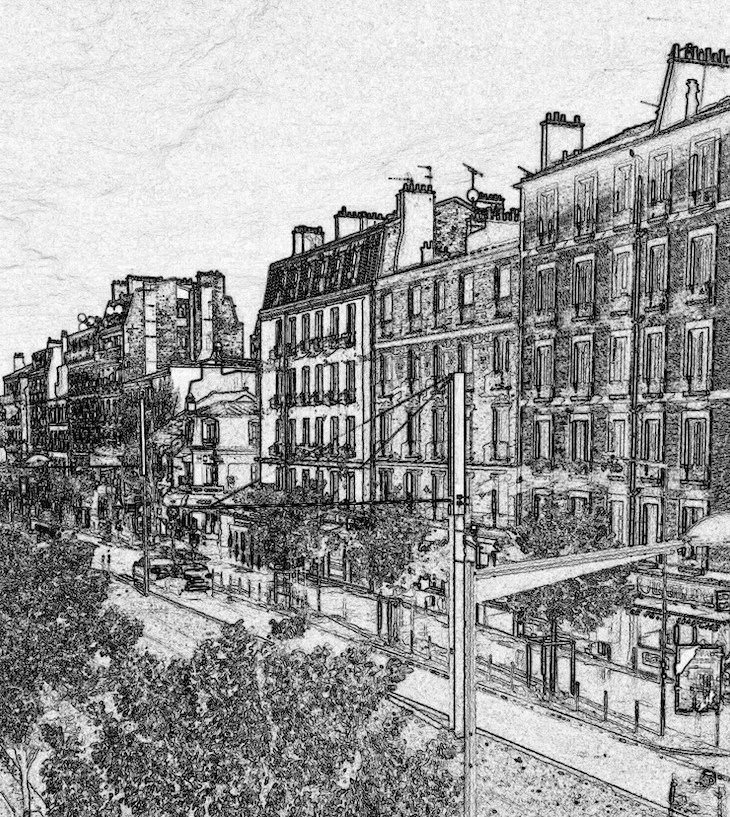
“I’ve only been to France a handful of times since I moved away…and each time it gets into me with weird intensity.”

Her words were tender, but raw in intonation and contained the kind of truth you can come to only after having lived through something.
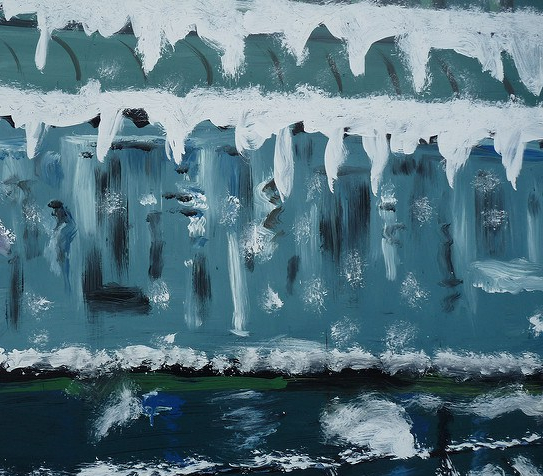

We recited vows as poems, while our hippie rabbi strummed his guitar and hummed nigun that…
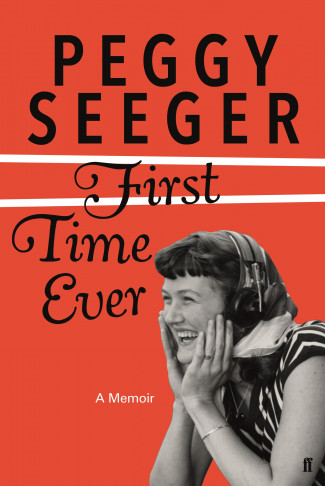
Nope, Roberta Flack didn’t write that song. Find out more in Thomas Larson’s review.

“When it comes to Brown’s latest, the White (or even in some cases Grimy) City should be proud,” Laurie Levy writes of Rosellen Brown’s “The Lake on Fire.”



 Another Chicago Magazine