
That need for a map—to marriage? To love? To sex? To life?—seems to have dominated the lives of my parents, who vied for their analyst’s attentions like children for that of a favorite babysitter.
(nonfiction)
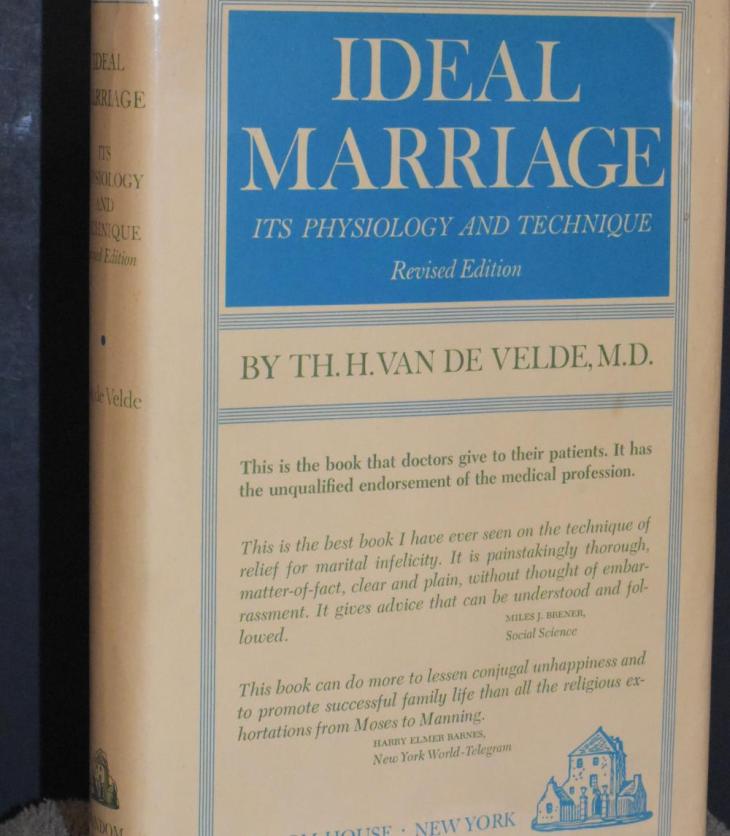
That need for a map—to marriage? To love? To sex? To life?—seems to have dominated the lives of my parents, who vied for their analyst’s attentions like children for that of a favorite babysitter.
(nonfiction)

Could it be this simple, to be a human man?
(fiction)

“The lesson in Moore’s father’s biography is that you don’t have to be deep in the bowels of the earth, buried upside down, gulping mouthfuls of excrement to be deep in Hell. You don’t even have to be dead; a few feet below the surface is enough. You just have to be riven with guilt and committed to numbing the pain,” writes reviewer David Gottlieb.
(nonfiction)

“If you want to be a writer, you get to be one forever. Sometimes that means big chunks of time where you are not building sentences because you’re living the experiences that you’re going to build the work out of. So drop the shame about it,” Megan Stielstra tells Barbara West.
(interview)

“Ellen H. Swallow Richards (1842-1911)”
“Jocelyn Bell Burnell (b. 1943)”
(poetry)

Well, real estate agents can make magical things happen you know. I’ll ask them to paint the room. How about a beige?
(drama)
But now, years later, she has to find Judge sahib regardless. You see, Hope has no expiry date. It’s like foreign occupation.
(fiction, satire)


On their first date, my friend’s fiancée talked about her job. She’s a mortician. She prepares cadavers for a funeral, cremation, or whatever is decided. She cleans the cadavers and replaces their blood with pink embalming fluid. If she has to apply makeup, she does. She thinks of herself as an artist. She makes clean portraits. She said that word a lot. Cadavers.
(fiction)

Night:
#42
43
44
47
(poetry)

I was twenty-two in 1992. Death was all around me. Working at the community center was only my second or third job after college; I thought it was usual, even ordinary, for people who you worked with every day to die.
(nonfiction)


“That which befell you neither occurred nor didn’t occur”
“At the end of every season”
“Discover the place where you live”
(poetry)


When one language dies by ceasing to be spoken or otherwise embodied, so too perishes an entirely singular way of being human.
(nonfiction)

The translator was now bedeviled by even the simplest particles. Does “and” or “but” go better here? Periods and commas likewise became insurmountable hindrances, veritable lions in the road, guardians of the original meaning.
(fiction)

Fast-forward twenty-something years and here I am, with my own children on the block and a refrigerator full of herbs, greens, fruits, and vegetables.
(nonfiction)
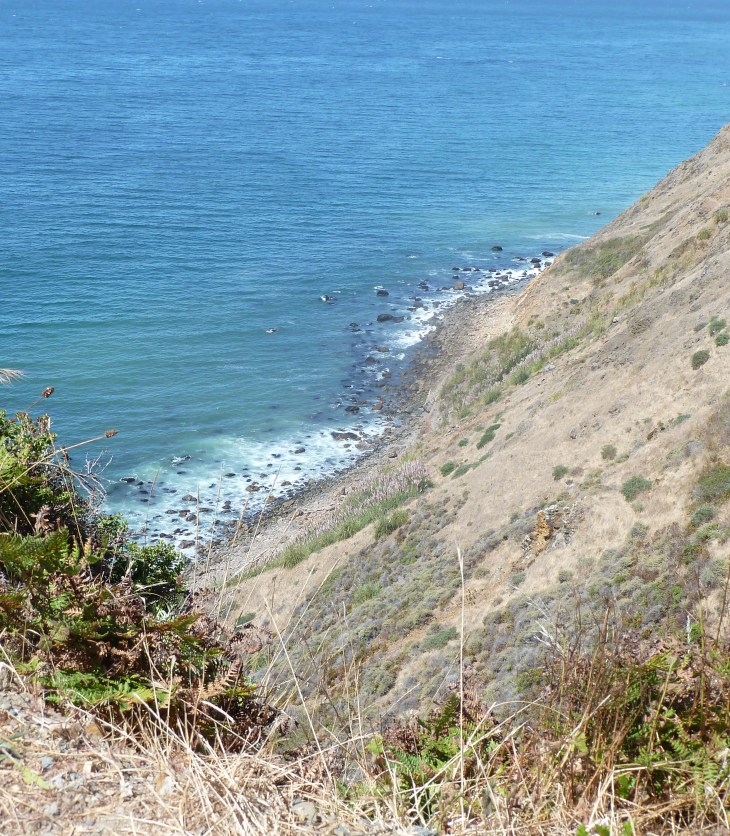

Mercury is in retrograde when we swear our blood oath, palms sliced with butterfly knives stolen from the Berkeley flea market. We promise to live fast and die young and press our bloody hands together, holding them still until they coagulate.
(nonfiction)

In the kitchen, the mixing of the ingredients was quite simple—the Aunt Jemima mix, eggs, and water. Not so simple was my grandmother raising her daughter’s two kids for ten years, her daughter having gone off to San Francisco to experience the cultural revolution of the sixties and seventies.
(nonfiction)
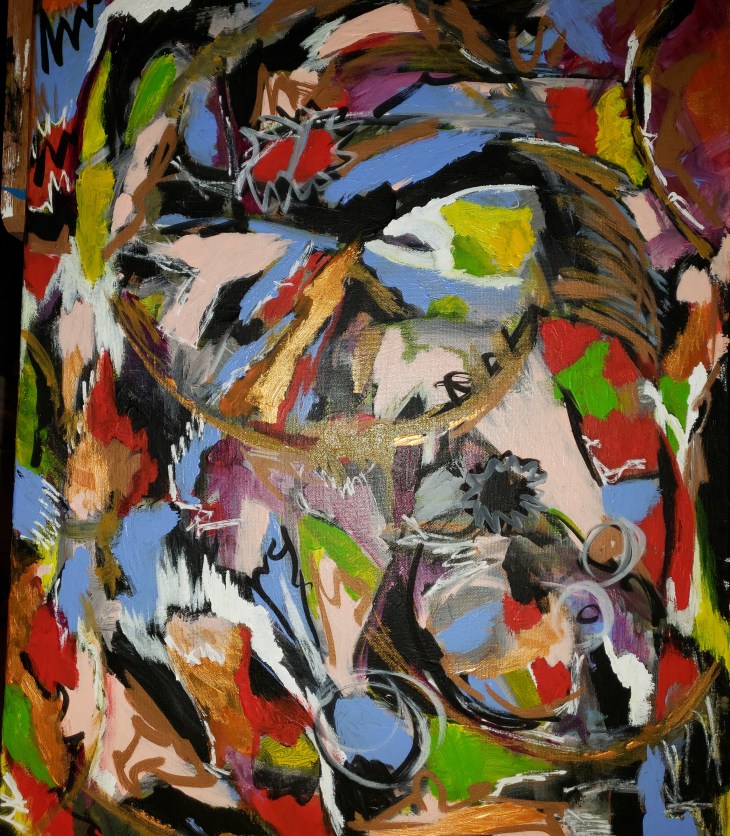
He isn’t here today, and his empty desk seemed emptier than all the other empty desks, where half of the students saw an opportunity to capitalize on tragedy and get a day out of school.
(nonfiction)

“Roberts has described her work as “vignettes of meaningless experiences,” but this meandering, nonlinear work feels honest in its making mountains out of molehills” write reviewers Nora Hickey and Amaris Feland Ketcham.
(graphic nonfiction review)
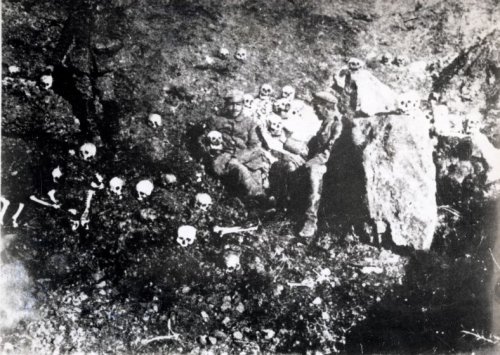
If my father wanted me to know about Armenia, why hadn’t he said, “Here, Peter, read this,” or “Son, did I ever tell you what happened to Armenia?”
(nonfiction)
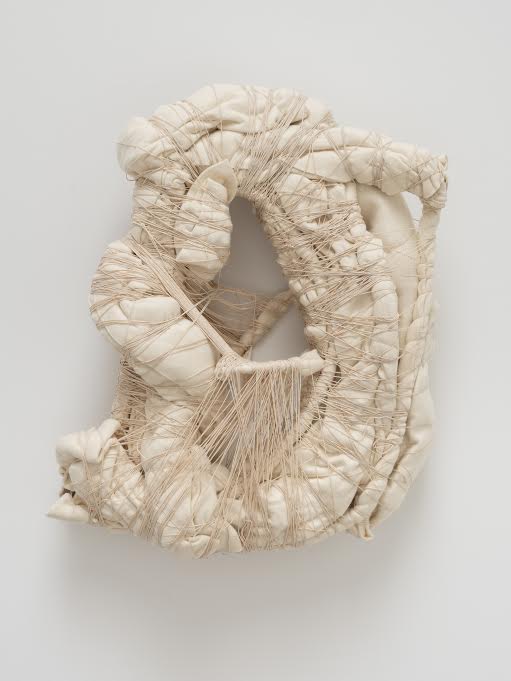


 Another Chicago Magazine