Barnett stretches meaning in other poems to include celestial bodies and space programs as astronomical murmurs, and hauntings as the murmured warnings of systemic racism.
(review)
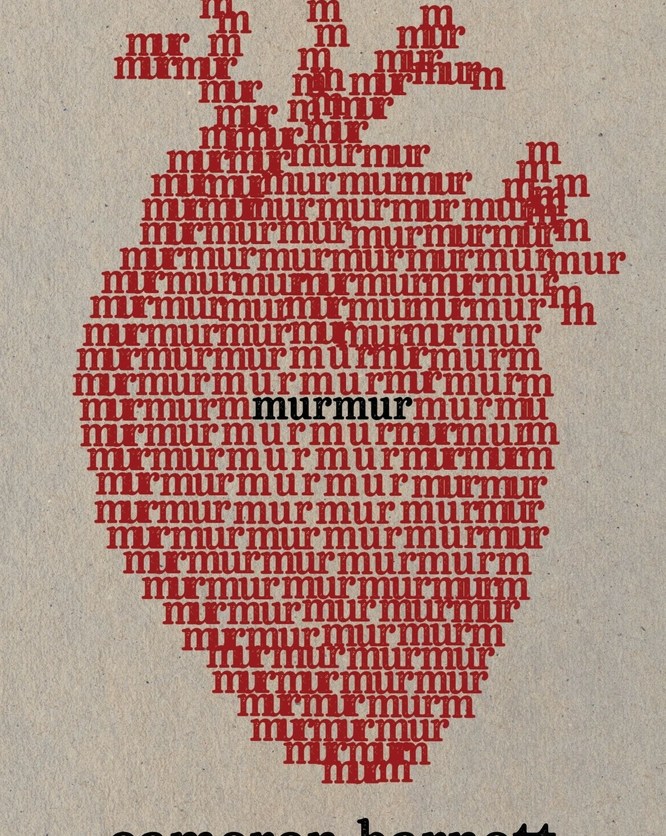

Barnett stretches meaning in other poems to include celestial bodies and space programs as astronomical murmurs, and hauntings as the murmured warnings of systemic racism.
(review)
A renowned poet interrogates his colonized self.
(review)

The novel is stamped with an epigraph: a quote from “Everybody Wants to Rule the World” by Tears for Fears. There’s an alchemy between the novel and the song that should not be overlooked—it adds an eeriness to Gråbøl’s profound yet distant prose as if the true emotion of the writing has been blunted by fear or pills.
(review)

By sharing her personal stories, Petro shows us how to travel our own long field between who we were before—before the divorce, the accident, the grief, whatever profound losses shape us—and who we became after, who we are always becoming.

Hawk is an everyman, a representative of everyone human. And—like Christian in John Bunyan’s moral allegory A Pilgrim’s Progress, like Dante in The Divine Comedy—Hawk is on a journey to the Godhead.

It’s in these moments that Hobbs Hesler subtly presents space for the reader to ponder the lessons we learn at any age, picking apart notions that we should get second chances.
(reviews)

Thirty-four houses in thirty-four years, as if the idea of putting down roots was anathema to her.
(reviews)

Show me a mistake that isn’t avoidable or a person who never makes one. How much easier these characters’ lives would be if they allowed themselves to fail and learn and grow.
(reviews)
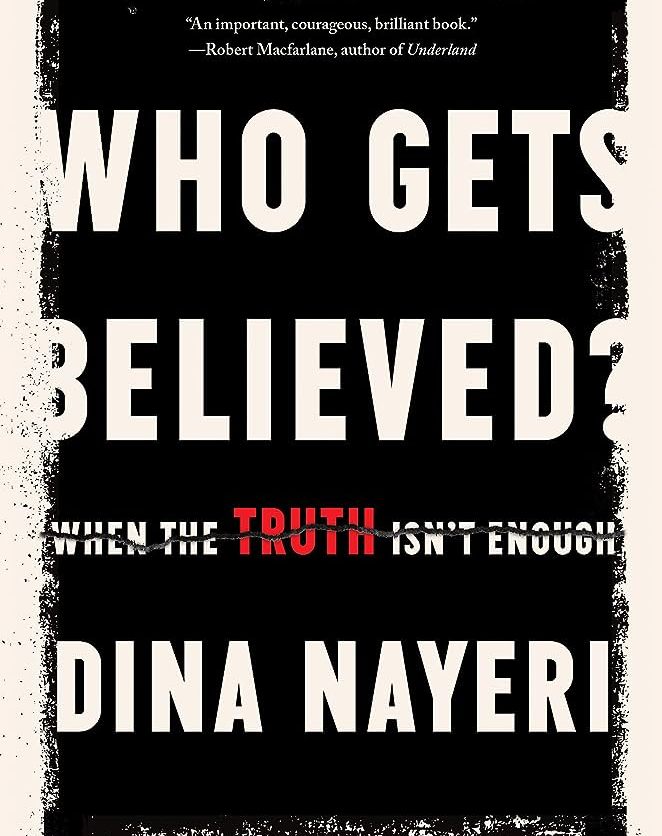
The request to be granted refuge in Britain or the US from victimization based on sexual orientation, religion, tribe, and/or familial ties, as soon as it is uttered before certain authorities, initiates a formal evaluation of the refugee’s narrative, which is held up to impossibly arcane, contradictory, even Kafka-esque standards by asylum officers over endless retellings.
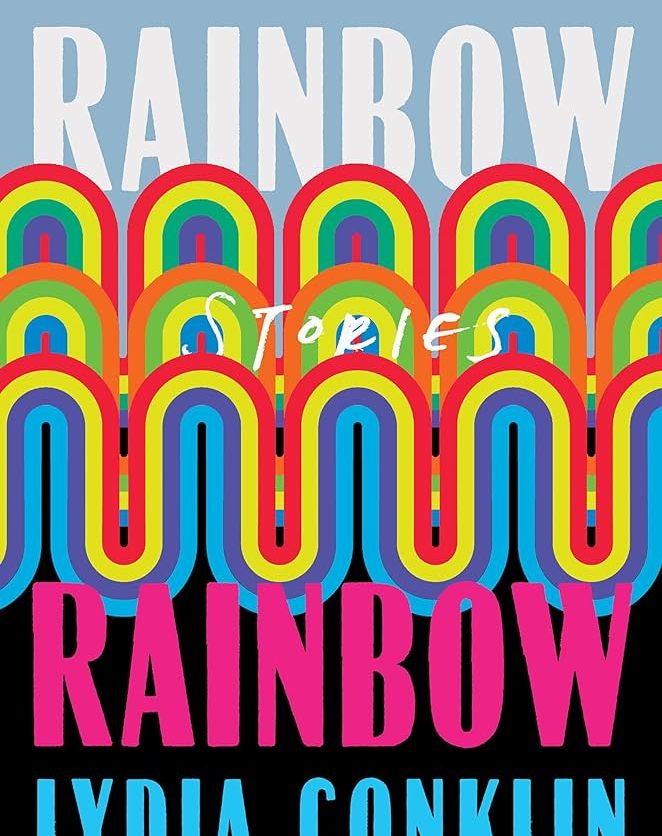
These characters feel like people you might know, people you meet on the dance floor at a Boystown club or a queer apartment party, people you’ve loved and lost.
(reviews)

