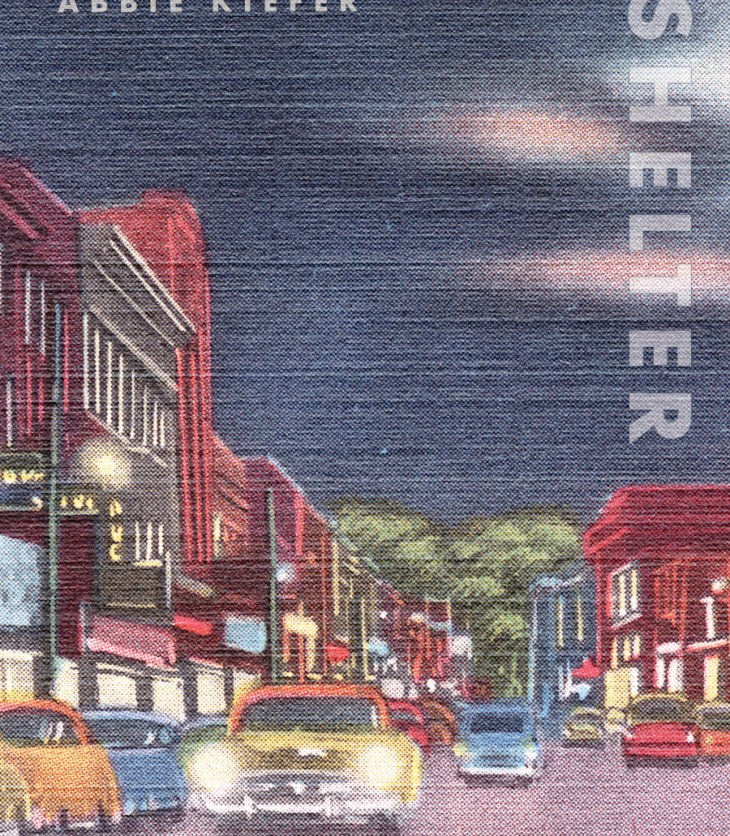
In Kiefer’s Maine, the trucks, soon to contain slaughtered chickens, have “waiting mouths,” “the air [has] feathers”—as if all that’s left of that life is scattered to the wind. Kiefer braids losses throughout the book; it can feel as if loss, like farm grit, “filters into every soft thing.”
(reviews)
Category: Reviews
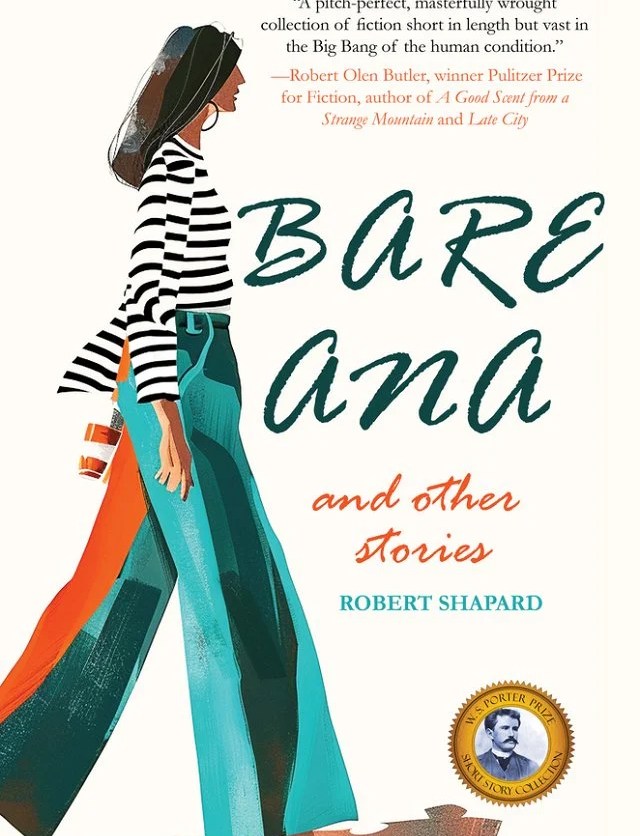
Robert Shapard’s Bare Ana doesn’t only platform flash—it weaponizes it. These stories are tiny grenades: compact enough to pocket, but powerful enough to leave a mark.
(reviews)
To say that the often experimental stories in Amy Stuber’s “Sad Grownups” are clever, funny, and intelligently designed is accurate, but experimentation can give way to gimmickry, wittiness to cattiness, and none of that happens here.
(reviews)
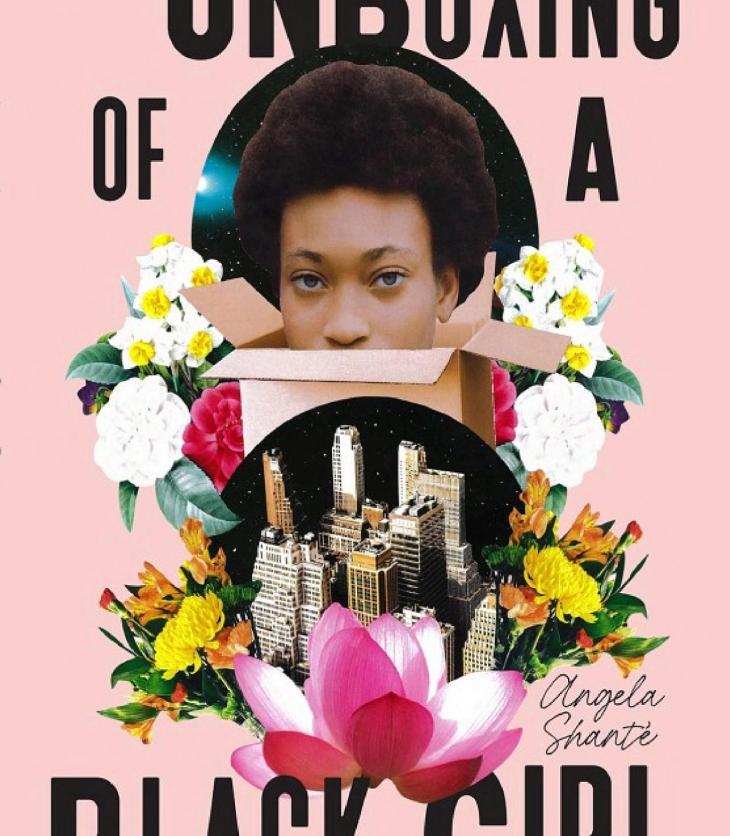
The poet writes of boxes, or labels, used to define and classify Black people, especially ingrained into the psychology of young Black girls. In her prose poem “Floss (Verb),” she introduces the verb meaning “to flaunt” in her own code of language.
(reviews)
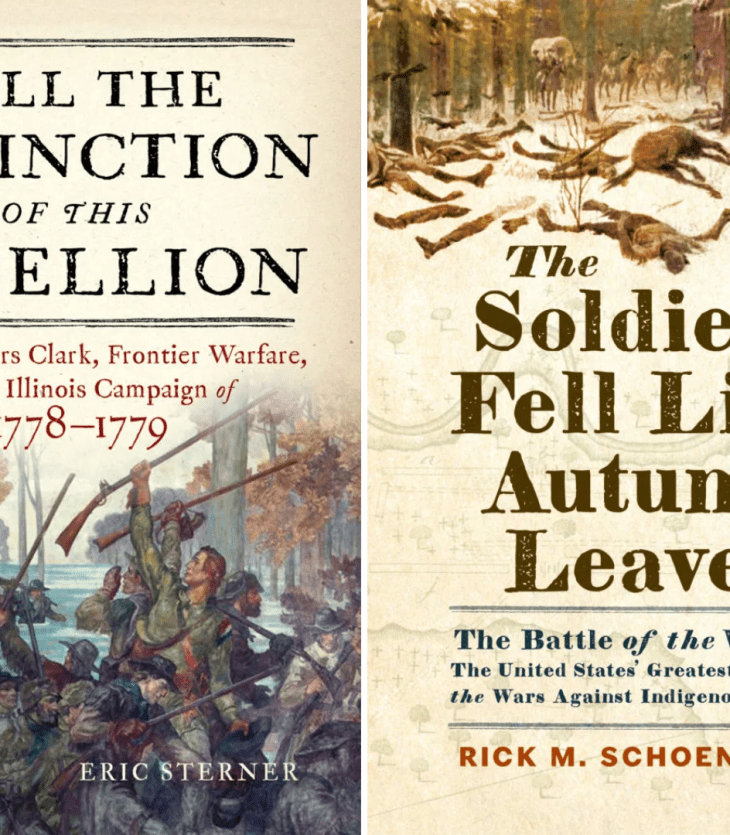
Rarely do we see the history of the Revolutionary War and Founding era considered in the context of Midwestern history. Most commonly, this time period’s impact on the Midwest is simply ignored…
(reviews)
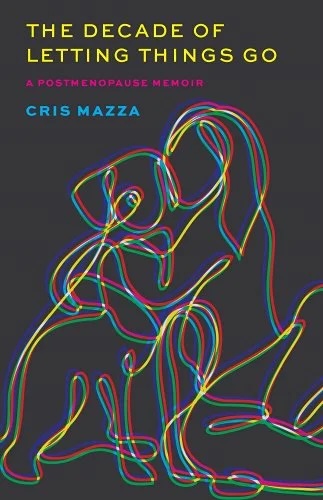
Cris Mazza’s ruminations, on full display, are provocative and frequently resonant of the shared problems we women must reckon with. She challenges us to refuse to be victims, she confides a hundred petty aversions it’s satisfying to recognize.
(reviews)
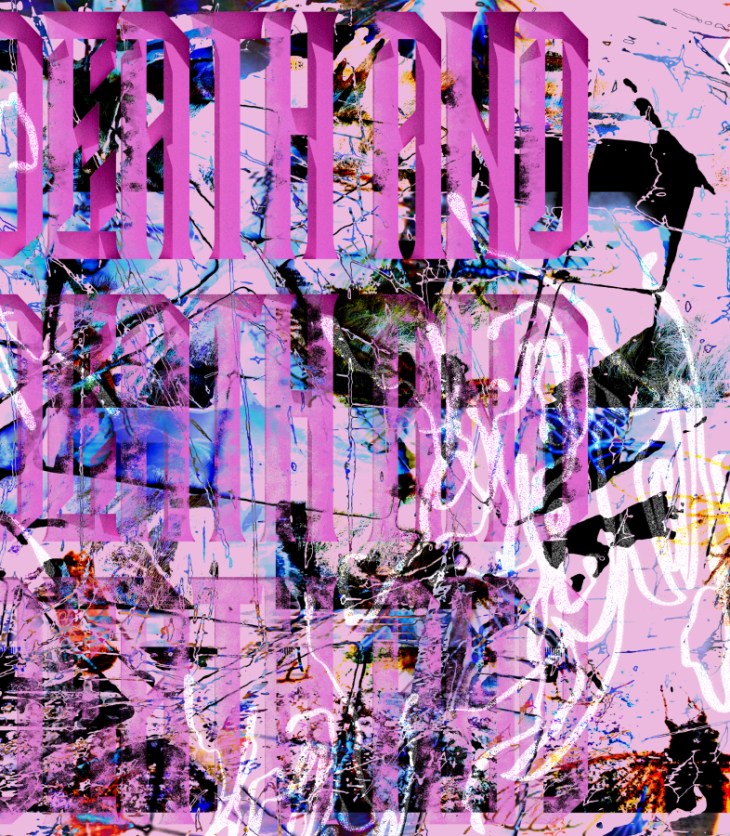
“Death and” is ultimately an epic fable about the relationship between its autobiographical speaker and the figure of Death as the speaker navigates plague, loss, precarious labor (sexual, manual, gig economy), and trans experience.
Harvey’s book is like a collection of deeply intimate fables: fables that explore the past and present, familial relationships, nostalgia, and the ephemeral nature of life’s tragedies.
(reviews)
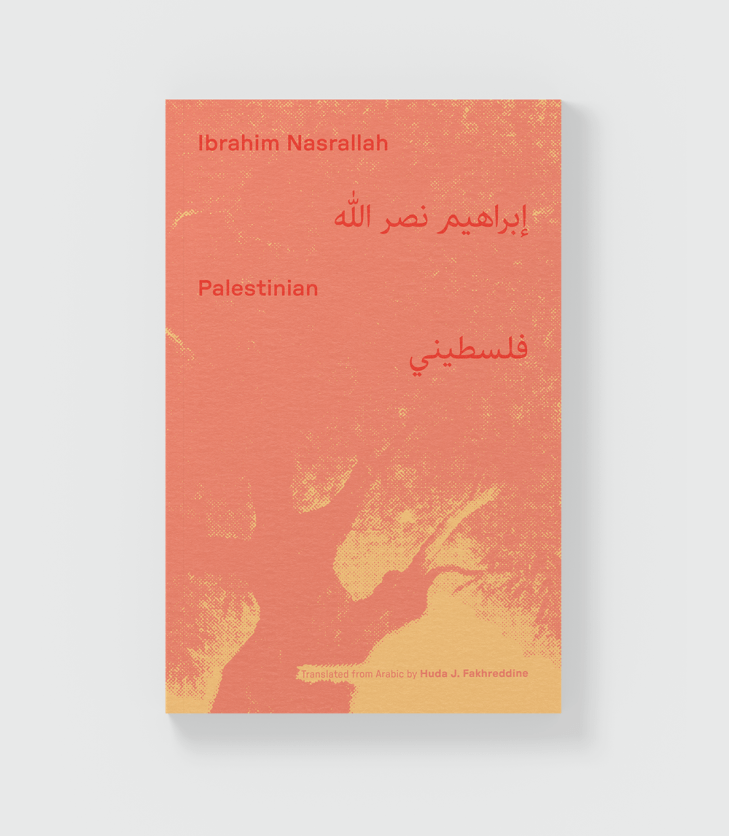
Nothing is so dangerous as a news report wherein Palestinians die in the passive voice, the horrific violence massaged into meaningless oblivion, the perpetrators somehow irrelevant.
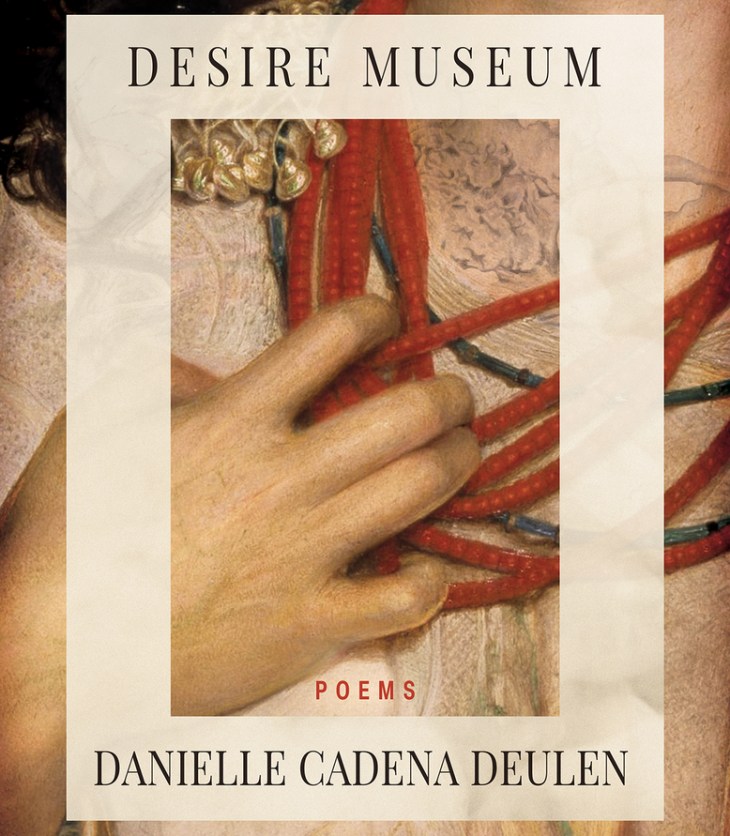
Some art just makes you think instantly of the seven deadly sins. Not because they traffic in, say, lust, but because they arouse feelings in you with such painful precision that it seems some dark magic has occurred.