
I found solace in that security guard’s enthusiasm, solace in Ayón’s work, and in the Chicago Cultural Center’s beauty.
(nonfiction)
I found solace in that security guard’s enthusiasm, solace in Ayón’s work, and in the Chicago Cultural Center’s beauty.
(nonfiction)
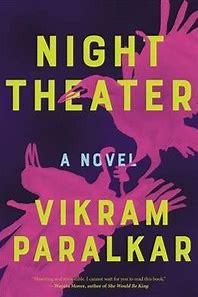
“The process of reading the book took longer than usual for a variety of reasons, least of all a natural disaster and a pandemic,” writes reviewer Loie Rawding. “But I found myself returning each night to read a few pages and sink into a warm, if unsettling, darkness.”
(review)
Then I saw the effect the forced isolation was having on my wife.
(nonfiction)
For what do I need / this beautiful key? (poetry)
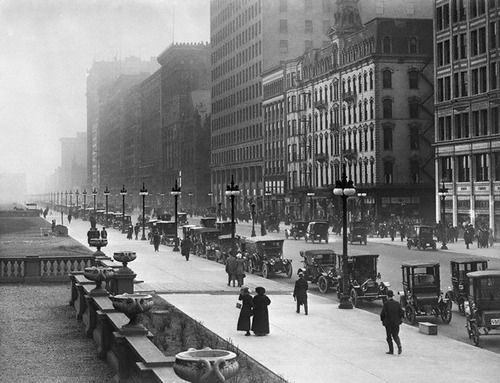
“Chicago has nothing to be ashamed of in comparison with New York.” (nonfiction)

“There is immense value in Ripatrazone’s book regardless of your faith,” writes reviewer S.T. Brant.
(review)
Downstairs, my grandparents argue over the TV’s low volume, their voices rising and falling like a muffled opera aria.
(nonfiction)

A visual counterpart to our Dispatches from a Pandemic series
To me it was like returning to a burning house to get just one more thing—though I was afraid of what I couldn’t see rather than any blinding smoke.

I loved her. But I never, ever felt close to her. The few times I tried to speak honestly to her as I struggled to understand how I’d come to see the world as I did, she was so hurt that it would have been cruel to persist.
(nonfiction)
The ground was frozen. Her body became the same.
(nonfiction)

We panicked all evening, clearing our throats, secretly gargling with hydrogen peroxide.
(The Loop)
“I’m doing fine. You just need to worry about me getting arrested for shooting one of these fucking turkeys who are buying up all the toilet paper.”
(nonfiction)

He went into the kitchen to look for the car keys, found them on the hook where she usually hung them, and put them in his pocket.
(fiction)
Maybe if I’m busy thinking about COVID-19, I won’t have room to think about the living, screaming person that will soon detach itself from my own person.
(nonfiction)
After all, as Camus reminds us, plague never really dies.
(nonfiction)
All night long I replayed the five minutes we had spent at this tourist attraction, trying to remember if I had gotten close to any strangers.
(nonfiction)
My wife, who is usually in charge of buying groceries, seemed perplexed by some of my purchases for outlasting the apocalypse.
(nonfiction)
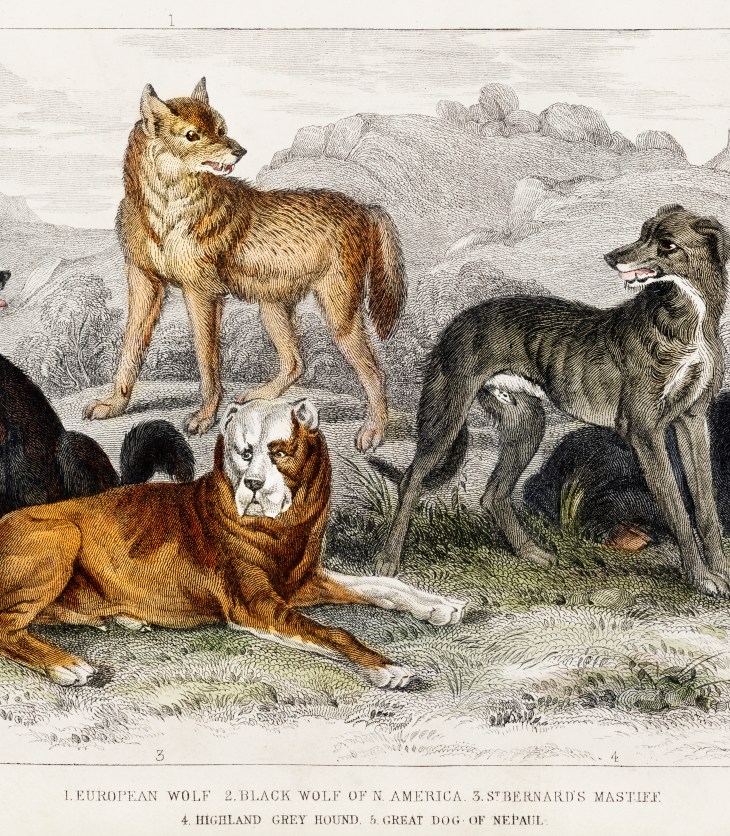
He wore a pair of faded bib overalls over a black NASCAR tee shirt, a red “Make America Great Again” hat, and held in one hand the electrician-taped handle of a bulging duffel bag and in the other, a leash attached to the pale pink, rhinestone studded collar of a doleful looking Harlequin Great Dane.
(fiction)
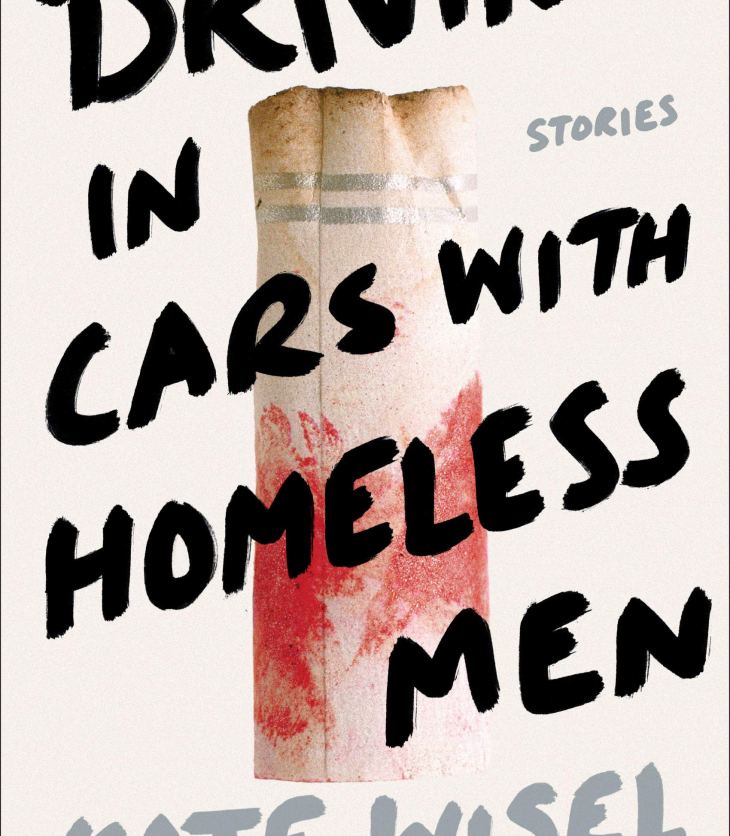
“Wisel writes about domestic violence, drug abuse, poverty, and the inability to connect to others in ways that maintain healthy boundaries,” writes Sarah Sorensen.
(review)

“”History of an Executioner’ brings us to the verge of existentialism, the point where the protagonist must decide for himself at last,” reviewer Andrew Farkas writes.
(review)
The coronavirus has made me feel more connected to the world than I have felt in a long time.
(nonfiction)

“What have they been feeding you in here?” I ask.
“A bunch of bullshit!”
(nonfiction)
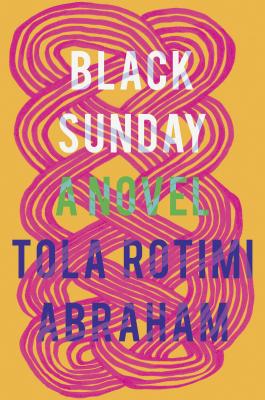
“At a time when the world’s focus is drawn to the humanitarian crisis of children wrenched from their parents at America’s southern border, the damage that is being done to these young psyches is immense and unknowable… Abraham’s gripping tale of innocence lost in contemporary Lagos could just as easily be set in these migrant prisons,” writes Carol Haggas.
(review)
What if, having escaped Hitler, Gidon is killed by a microscopic bug?

“If I had been chewing gum, I would’ve swallowed it right there,” Jefferson Navicky writes upon reading Maureen Seaton.
(review)
 Another Chicago Magazine