
If God appears on these pages, it is in the sacred clarity of the concrete detail. The speaker as a young girl, drawing ankhs and peace signs in the back of her bible, listening to a hymn as it slides beneath the pews.
(reviews)

If God appears on these pages, it is in the sacred clarity of the concrete detail. The speaker as a young girl, drawing ankhs and peace signs in the back of her bible, listening to a hymn as it slides beneath the pews.
(reviews)

Can violence be made into beauty? Can beauty be used to dignify the stain of violence? Sloan seems to suggest so, perhaps, by conceiving of Ophelia’s body as part of nature—indistinguishable from it.
(reviews)

Shiki wrote haiku—tens of thousands of haiku—elevating himself to the immortal ranks of Bashō, Issa, and his personal hero, Buson. However, Shiki did not want to go back to the past and its masters; he wanted to reinvent what he believed was a dying art.
(reviews)
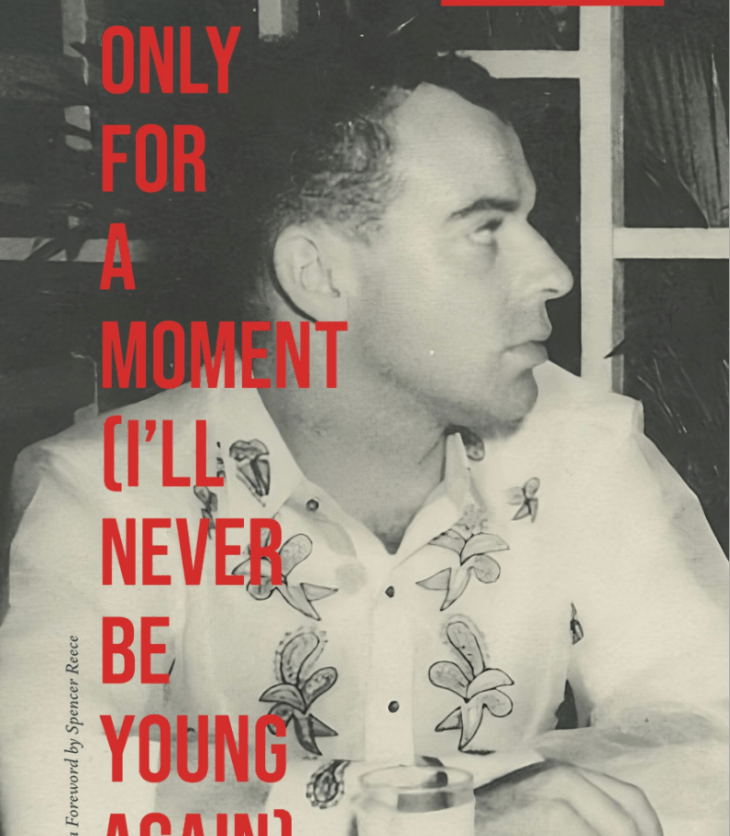
The book, at its core, follows the speaker’s daily journeys along a rugged mountain road over the course of a year, with the gravel thoroughfare and its environs serving much the way Thoreau’s Walden Pond once did— fueling reflections on humanity in general, and the present moment more specifically.
(reviews)
This week, ACM is posting book reviews every weekday.
The book, at its core, follows the speaker’s daily journeys along a rugged mountain road over the course of a year, with the gravel thoroughfare and its environs serving much the way Thoreau’s Walden Pond once did— fueling reflections on humanity in general, and the present moment more specifically.
(reviews)

This week, ACM is posting book reviews every weekday.
Supposing there was any lingering hope that the modal interventions of capitalism might deliver us, as a whole, into a brighter, more sustainable future, well, Gilbert’s poems are here to announce the ethical insolvency of that hope—or, not only are we totally, irrevocably fucked, but the severe degree to which we are fucked has already reshaped our ecology, our futurity, our reality.
(reviews)

This week, ACM is posting book reviews every weekday.
Catrileo’s florid, visceral writing traverses the centuries—from the so-called Conquista, Spanish term for the brutal colonization of the Americas, to the modern-day capital city. It is a lyrical and nonlinear chronicle that spans the arrival of invaders armed with “old maps” and “steel fire” to urban streets studded with bars and patrolled by police known for their brutality.
(reviews)

This week, ACM is posting book reviews every weekday. This is the first.
The volume opens with an epigraph quoting Toi Derricotte, the co-founder of Cave Canem, an organization dedicated to the future of African American poetry: “Joy is an act of resistance.” We learn through these poems of the sheer joy of Black woman creativity, as well as the power of women speaking out against injustice and evil.
(reviews)
Between the chapters of the hazy hospital days, Youngblom recollects stories of her son’s childhood and his dreams of becoming a marching band director. She savors the moment Elias first learns to ride a bike and his need for her to hold onto the seat. As the chapters travel across time, the structure captures Youngblom’s stream of consciousness and memories of Elias as gentle and thoughtful.
(reviews)
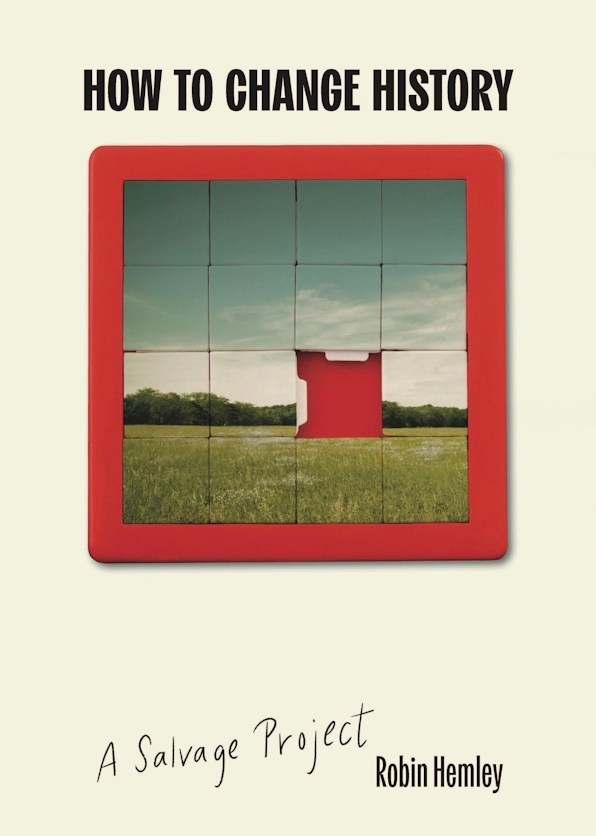
One way to change history for yourself is to gather new information that changes your understanding of the stories you’ve always told yourself, whether it’s about the disturbing sexual politics of Yaddo or your family’s relationship with Head Stooge Moe Howard.
(reviews)

Hoffman’s stories revolve around a sense of being adrift. We drive, but go nowhere. We make loops and return to where we began. We are trapped within our decaying bodies, caught in systemic poverty, and broken by familial rupture.
(reviews)

Shulman’s collection guides readers through the ideological formation of American Jewish children, teenagers, and young adults, showing how they are carefully acculturated to conflate Judaism with Zionism—a fusion designed to keep dollars and political will flowing toward Israel, no matter how ferociously it attacks or constrains the people who also occupied the land now called Israel before 1948.
(reviews)

In Kiefer’s Maine, the trucks, soon to contain slaughtered chickens, have “waiting mouths,” “the air [has] feathers”—as if all that’s left of that life is scattered to the wind. Kiefer braids losses throughout the book; it can feel as if loss, like farm grit, “filters into every soft thing.”
(reviews)
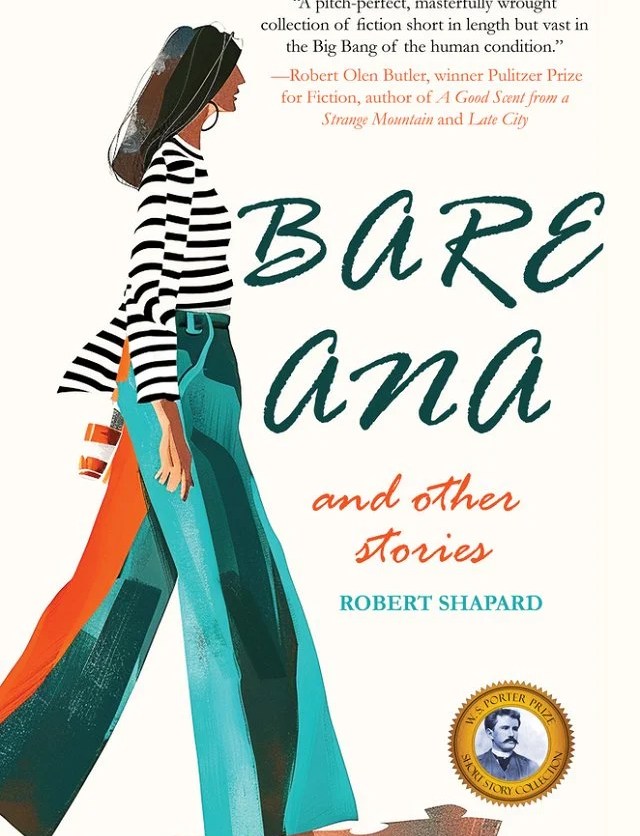
Robert Shapard’s Bare Ana doesn’t only platform flash—it weaponizes it. These stories are tiny grenades: compact enough to pocket, but powerful enough to leave a mark.
(reviews)

To say that the often experimental stories in Amy Stuber’s “Sad Grownups” are clever, funny, and intelligently designed is accurate, but experimentation can give way to gimmickry, wittiness to cattiness, and none of that happens here.
(reviews)
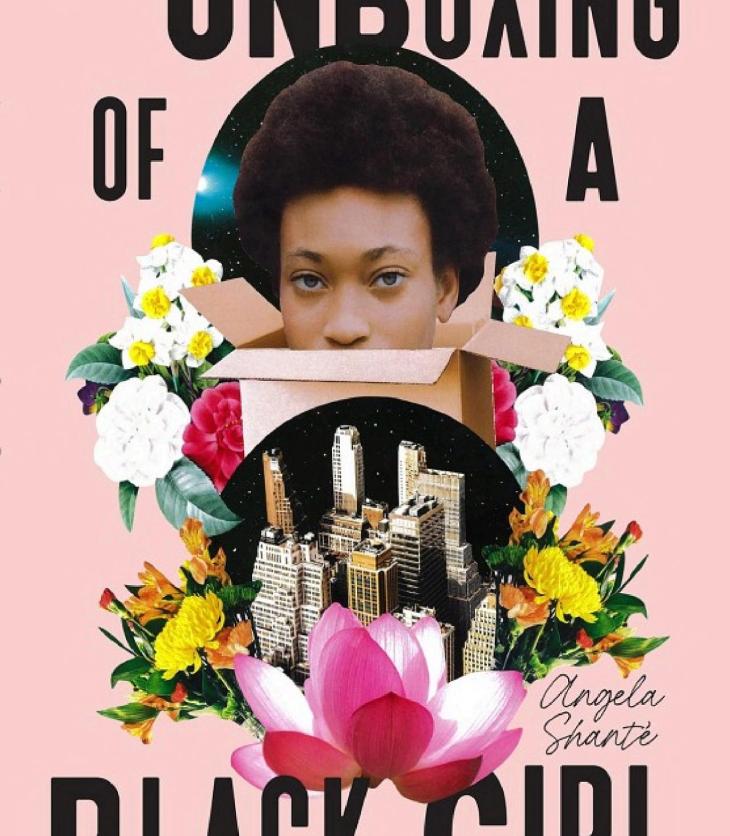
The poet writes of boxes, or labels, used to define and classify Black people, especially ingrained into the psychology of young Black girls. In her prose poem “Floss (Verb),” she introduces the verb meaning “to flaunt” in her own code of language.
(reviews)

Rarely do we see the history of the Revolutionary War and Founding era considered in the context of Midwestern history. Most commonly, this time period’s impact on the Midwest is simply ignored…
(reviews)
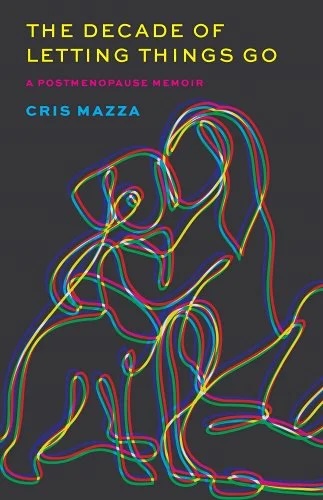
Cris Mazza’s ruminations, on full display, are provocative and frequently resonant of the shared problems we women must reckon with. She challenges us to refuse to be victims, she confides a hundred petty aversions it’s satisfying to recognize.
(reviews)
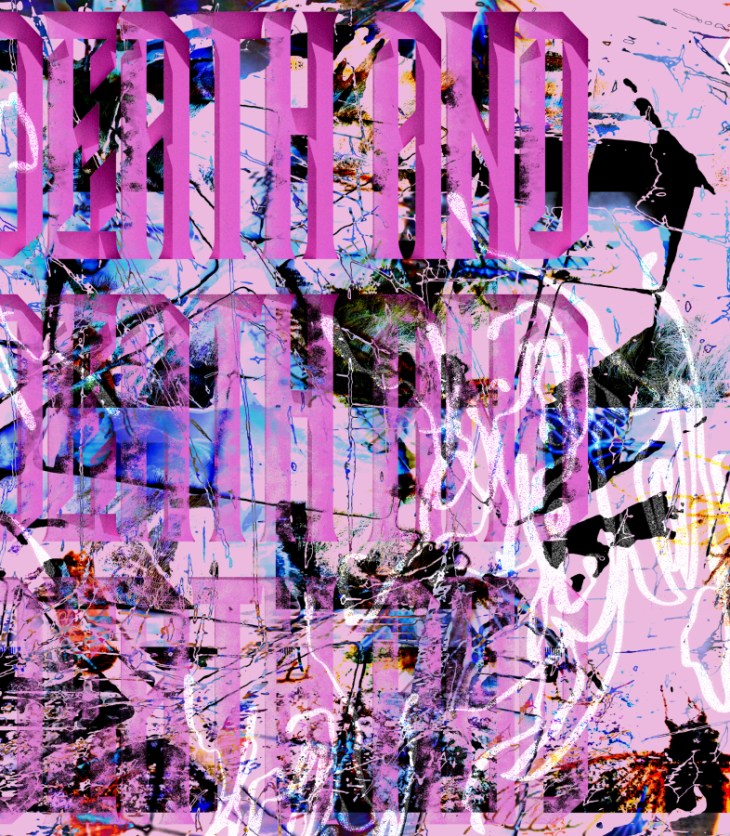
“Death and” is ultimately an epic fable about the relationship between its autobiographical speaker and the figure of Death as the speaker navigates plague, loss, precarious labor (sexual, manual, gig economy), and trans experience.

Nothing is so dangerous as a news report wherein Palestinians die in the passive voice, the horrific violence massaged into meaningless oblivion, the perpetrators somehow irrelevant.
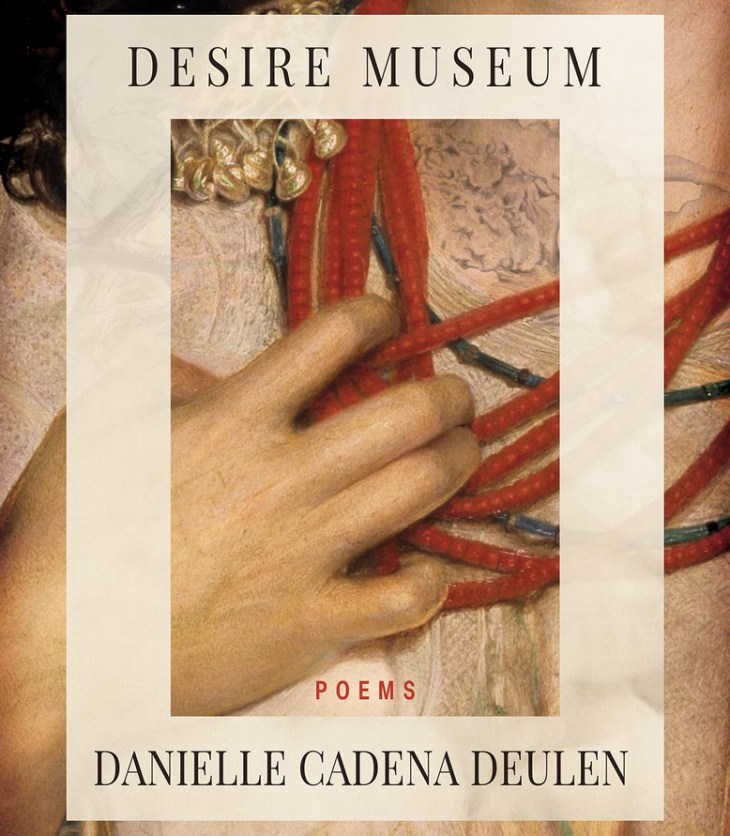
Some art just makes you think instantly of the seven deadly sins. Not because they traffic in, say, lust, but because they arouse feelings in you with such painful precision that it seems some dark magic has occurred.

Hawk is an everyman, a representative of everyone human. And—like Christian in John Bunyan’s moral allegory A Pilgrim’s Progress, like Dante in The Divine Comedy—Hawk is on a journey to the Godhead.

Thirty-four houses in thirty-four years, as if the idea of putting down roots was anathema to her.
(reviews)

Show me a mistake that isn’t avoidable or a person who never makes one. How much easier these characters’ lives would be if they allowed themselves to fail and learn and grow.
(reviews)
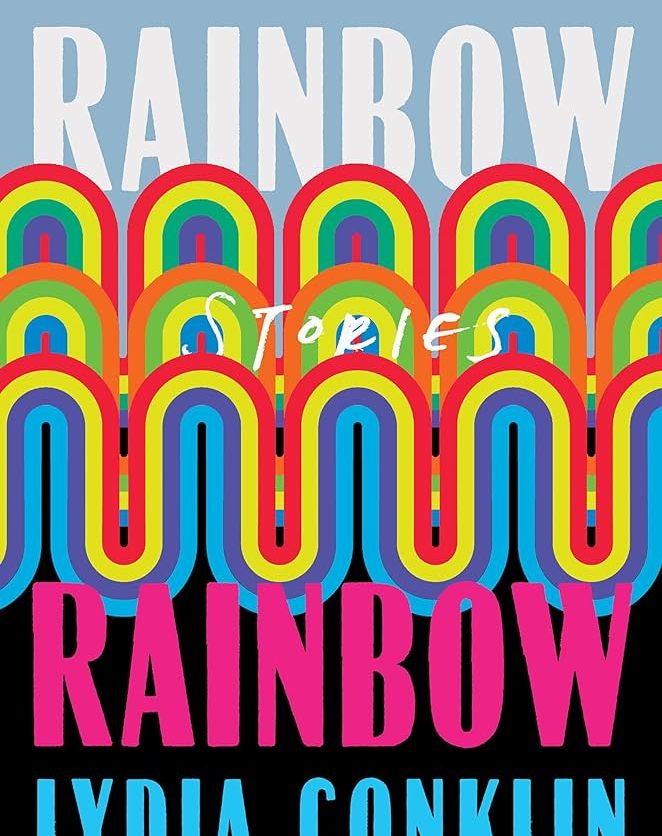
These characters feel like people you might know, people you meet on the dance floor at a Boystown club or a queer apartment party, people you’ve loved and lost.
(reviews)

“Shame and living, living with it, living through it, living past it. This is what these stories are made of.”
(reviews)

“Lehman has claimed a kinship with poets of the past that exists outside time,” writes reviewer Suzanne Lummis.
(poetry reviews)

“Wilkinson’s knowledge of horticulture helps to connect the themes of family, inheritance, and existence to the greater world around us, to all living things,” writes reviewer Meredith Boe.
(nonfiction)

In a sense, post-truth and post-Trump, MAD’s cynically absurd reality has replaced our “reality-based” world. Its outsider and jaundiced view of media, institutions, and those who’ve “made it,” has become de rigueur in American culture.
(nonfiction)

“Roberts has described her work as “vignettes of meaningless experiences,” but this meandering, nonlinear work feels honest in its making mountains out of molehills” write reviewers Nora Hickey and Amaris Feland Ketcham.
(graphic nonfiction review)
 Another Chicago Magazine