“The Flowers Along the Way testifies to the healing power of hope, showing how nurturing a garden, or a story, can generate something fresh and green out of loss.” (review by Liz Rios Hall)
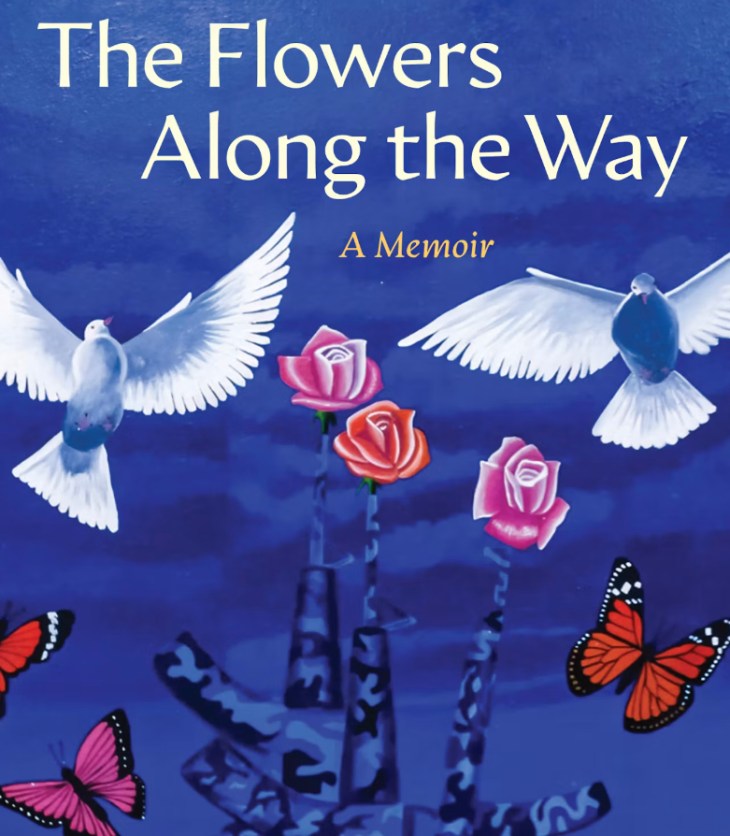

“The Flowers Along the Way testifies to the healing power of hope, showing how nurturing a garden, or a story, can generate something fresh and green out of loss.” (review by Liz Rios Hall)
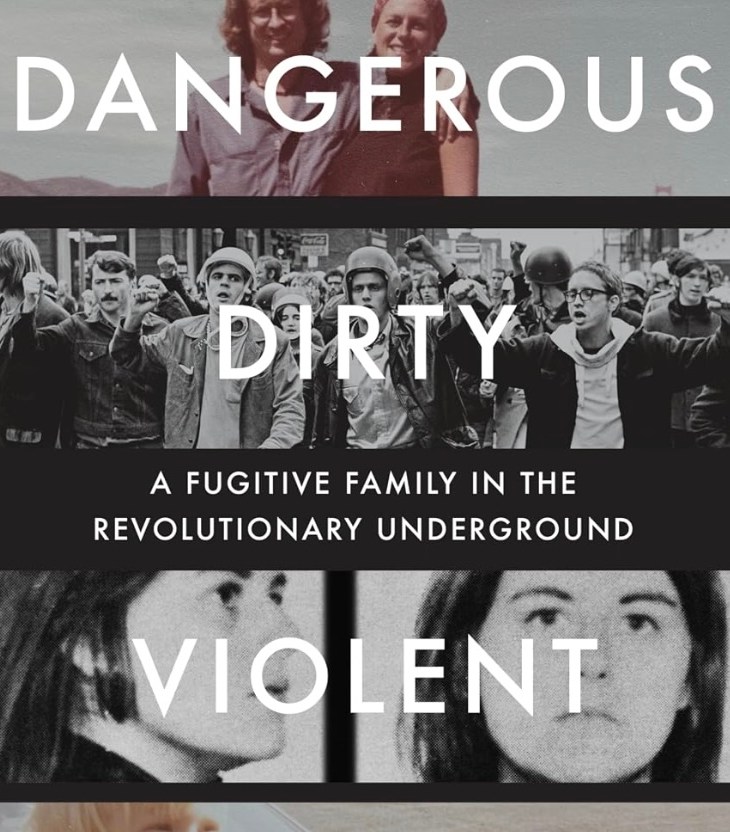
An underreported story of the lived experience of children of political activists who embrace violence as a tool of resistance. (review by Karen Paley)

In the kid culture I experienced, we all knew each other’s religion, but it was not a significant separator, or even a reliable indicator, as to who you were likely to befriend. Greater significance might be tethered to whether you rooted for the White Sox or the Cubs. (nonfiction)
After a long hospitalization, my father returns home to die on January 2025’s coldest day—the Thursday after Orthodox Christmas. The packed snow on the steep, gravel driveway leading to his house is a slick, icy sheet… (nonfiction/Ukraine)
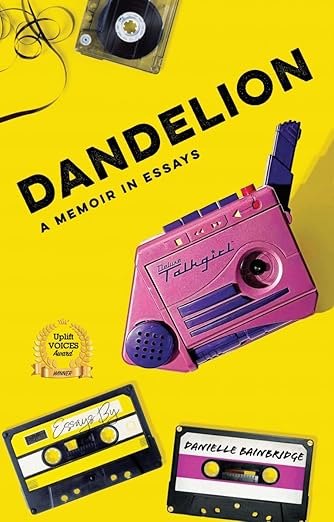
As an act of space-making, Dandelion is a forum for Bainbridge to let memories reverberate and echo across a “sprawling archive of emotions.” And speaking of archives (and archivists), as a stylist, Bainbridge’s writing deserves comparison with the rhythms and cadences of Carmen Maria Machado.
(reviews)

The latest in our FORTHCOMING series of excerpts from new and recent books:
He had written DECEASED next to my mother’s name on his return. That threw the whole system off, sending his return into the void for further review. Since the entire IRS was working from home due to Covid-19, which arrived approximately two weeks after my mother’s death, apparently every day was now Leap Day, and perhaps in another four years my father might get his refund.

This week, ACM is posting book reviews every weekday.
Focused primarily on her childhood, Kercheval’s memoir is told in a series of seventeen fanciful chapters—ranging from four to twenty pages each—on subjects including her parents, her imagined worlds, her body (as well as the bodies of others), and the events, people, objects, and entities that shaped her. Shifting metaphors abound.
(reviews)
Between the chapters of the hazy hospital days, Youngblom recollects stories of her son’s childhood and his dreams of becoming a marching band director. She savors the moment Elias first learns to ride a bike and his need for her to hold onto the seat. As the chapters travel across time, the structure captures Youngblom’s stream of consciousness and memories of Elias as gentle and thoughtful.
(reviews)
I tried to envision walking down old cobblestone streets, but my memories drowned in darkness: My brain clasped shut. The doors that were so hard to close when I was leaving twenty-two years ago were even harder to reopen now. But I had to. I had to go back and face the ghosts and the memories. Had to shine a light into all corners of the old dark closet. I was planning a trip to visit my mother in Russia, and as the trip got closer, I decided I was ready to go home. I tacked on a few days in Kharkiv.
(nonfiction/Dispatches from Ukraine)
“Book bans have existed as long as there have been books, throughout history, just like war. It’s a form of war; part of war; part of politics and power grabs; part of trying to keep the population ignorant and deny people books. It’s also part of antisemitism and racism and every other oppressive movement you can think of,” Donna Seaman tells interviewer Carol Haggas.

