Interview with Amina Gautier author of “The Best That You Can Do”

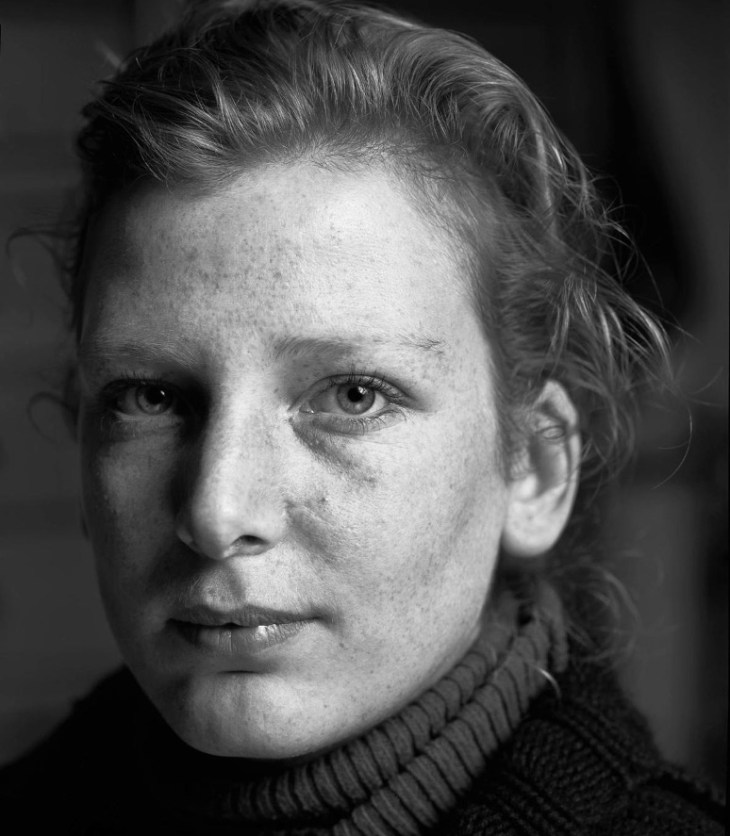
“I think that the beauty of Blackness and Black people is that we code-switch all the time. We just know how to talk depending on where we are and to whom we’re speaking, so I don’t think about it too much when I’m writing, but I do think about who’s going to be on the inside of the stories and who’s going to be on the outside,” Amina Gautier tells ACM.

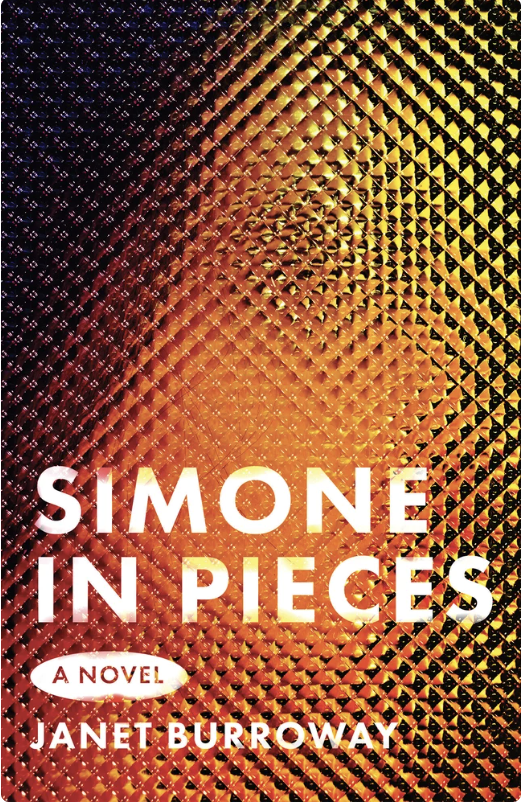
“Animal Crackers” Excerpted from “Simone in Pieces” by Janet Burroway

The latest in our FORTHCOMING series of excerpts from new and recent books:

Anika had, Leo knew, a harder time in the uprising than he did. She was working as a junior reporter at the morning Szabad Nep when the soldiers came, not a good place to be. She hid in the storeroom behind a trashcan for three hours listening to the shots, the clatter of shell casings on the linoleum.
(fiction)

“Sister Replay” Excerpted from “Body of Evidence” by Aimee Parkison

The latest in our FORTHCOMING series of excerpts from new and recent books:

After descending into the basement, you act as if you never went, as if you have no idea what the basement really is or what happened there. Even though you left the girl you once were in the basement, you spent the rest of your nights pretending it didn’t happen.
(fiction)

“Death and Taxes” Excerpted from “An Ignorance of Trees” by Jim Daniels

The latest in our FORTHCOMING series of excerpts from new and recent books:

He had written DECEASED next to my mother’s name on his return. That threw the whole system off, sending his return into the void for further review. Since the entire IRS was working from home due to Covid-19, which arrived approximately two weeks after my mother’s death, apparently every day was now Leap Day, and perhaps in another four years my father might get his refund.

From “Menthol” by Jennifer Bélanger, translated from the French (Québec) by Sophie Grace Lellman

I would need help to enter, hesitatingly, into my mother’s sick body, to bite into her cancer, twist it every which way, let it melt on my tongue like a communion wafer, pierce it with my teeth and let out all its juice, its pus, lick my fingers. It would definitely taste like something unfamiliar, but I’d continue, that’s how the abscess would burst, how I’d heal my mother, how I’d heal from my mother, it would be enough for me to swallow her whole, she would be in me, and I’d spit her out again to rid myself of her. 
(fiction)

“The book wasn’t put together to make anyone comfortable”: An Interview with Louis Bourgeois by Mike Puican

“As it relates to Unit 29 specifically, writing offered a rare opportunity to convey a message that would actually be read. For some, it was an opportunity to attempt something they never tried before. The act of writing and the program itself allowed for a structure by which they could order their lives in a chaos that barely ever sleeps,” Louis Bourgeois tells interviewer Mike Puican.

“Do You Want Green or Red?” by Tommy Cheis

And upon learning the true purpose of the miners, we Chiricahua forced abandonment of the Santa Rita del Cobre copper mine for decades. Ultimately, it was we Chiricahua whom the US Army, acting as agent for mining interests, did their best to kill in the nineteenth century. “But we’re still here,” Vic said and let that stew.
(No Place is Foreign)