The poems in Naming the Rose draw from vulnerable, autobiographical elements mixed with the obliviousness of those around the speaker. The two-sectioned poem “The Light of Day” contrasts loving memories of pumpkin carving by the speaker’s daughter with the fear of the speaker-mother as her partner and the father of her daughter, “drunk,” “too drunk,” “rid[es] down the highway at 90 miles an hour” with “a huge stolen pumpkin on [her] lap.”
(reviews)
Tag: Essay
The latest in our FORTHCOMING series of excerpts from new and recent books:
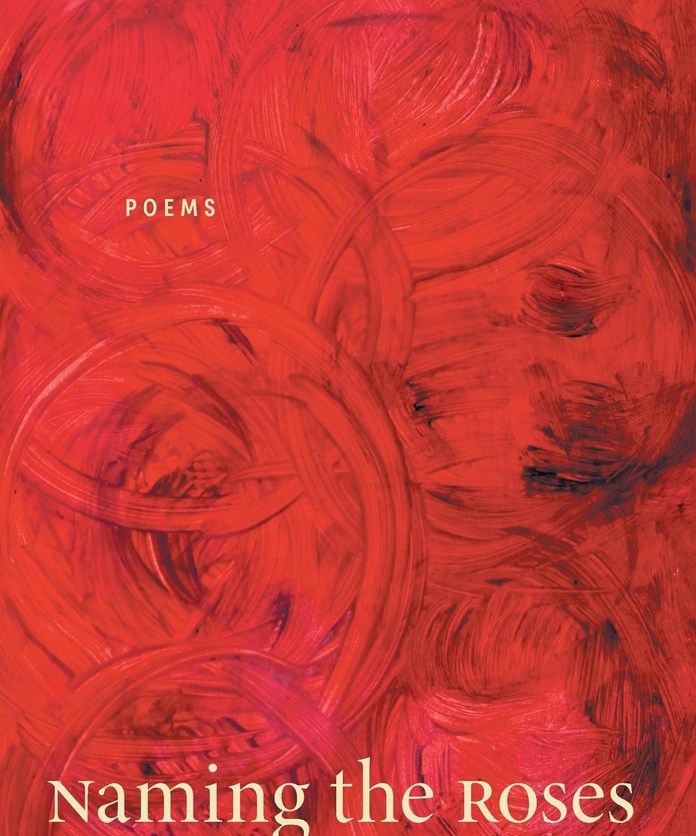
He had written DECEASED next to my mother’s name on his return. That threw the whole system off, sending his return into the void for further review. Since the entire IRS was working from home due to Covid-19, which arrived approximately two weeks after my mother’s death, apparently every day was now Leap Day, and perhaps in another four years my father might get his refund.
This collection of poems explores the fracture of a marriage after a secret is revealed—a husband’s closeted homosexuality, at odds with his religious upbringing and the life he has built. Set against the pastoral backdrop of stables and gardens, canning jars and roving horses, tether & lung traverses the landscape of loss and longing with striking vulnerability.
(reviews)
If God appears on these pages, it is in the sacred clarity of the concrete detail. The speaker as a young girl, drawing ankhs and peace signs in the back of her bible, listening to a hymn as it slides beneath the pews.
(reviews)
To be seen was to be ashamed and to admit to experiencing pleasure was to be disgusting.
(nonfiction)
By reflex I turned to leave, but in the center of the open doorway stood the silhouette of a second man, holding a pitchfork across his waist as if to block my path.
(nonfiction)
…the promise of fulfillment rather than just a hole here or there or in several places at once…
(nonfiction)
My parents had always had a copy of Kaddish, which my mother urged us to read, but refused to really discuss the book.
(nonfiction)
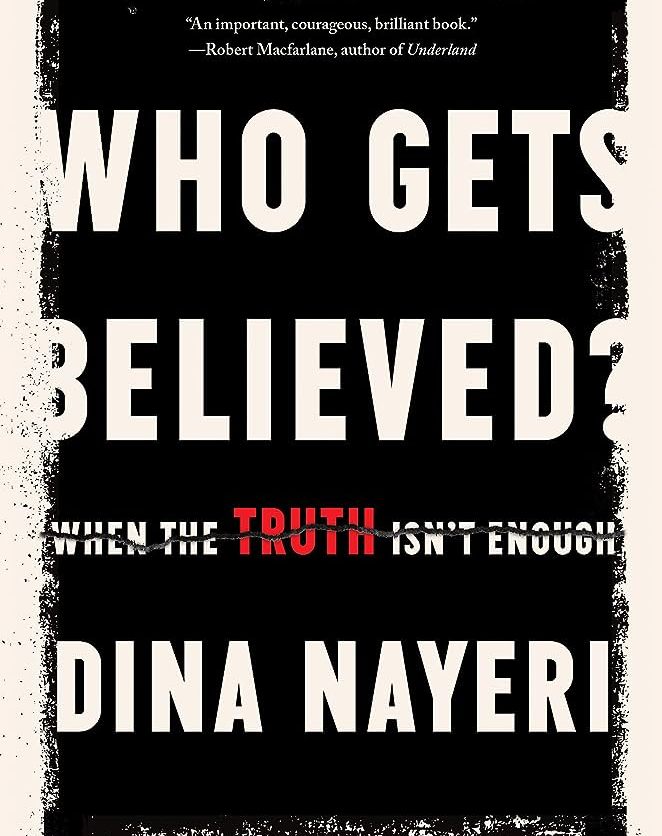
The request to be granted refuge in Britain or the US from victimization based on sexual orientation, religion, tribe, and/or familial ties, as soon as it is uttered before certain authorities, initiates a formal evaluation of the refugee’s narrative, which is held up to impossibly arcane, contradictory, even Kafka-esque standards by asylum officers over endless retellings.
The winner of ACM’s inaugural Nonfiction Contest
My mother tells me stories about when she was little and then makes me promise not to tell anyone.
(nonfiction)
The rage rolls out of my gut like a stream of regurgitated frogs, leaving me purged and primed for violence.
(nonfiction)
This is the first piece in our new DEBUT section, which showcases the first literary work published by a writer, beyond a campus-only magazine.
“There were no pens allowed at Carrollton Springs because of the possibility of someone hurting themselves with one”
(nonfiction)
I began my story. I told him I was born in Italy and moved to Venezuela when I was eight years old.
(nonfiction)
The latest in our FORTHCOMING series of excerpts from new books
“No, I went through one marriage,” Aunt Mildred insisted to the jury of her siblings. “I won’t make that mistake again.”
(nonfiction)
I trip on cobblestones sticking out of the earth like busted tombstones.
(nonfiction)
He knew the affair he was having with the composer, that it should have been me.
(nonfiction)
For a few years we took turns breaking each other’s hearts, casting each other away, reeling each other back in.
(nonfiction)
Beneath the tree, grasses of pale yellow and green commingle to create a neon shade reminiscent of Mello Yello, a soda from my childhood….
(nonfiction)