“The great achievement of Cracked Piano is that its poems present psychological pictures of a person in loneliness,” writes reviewer John Zheng. (poetry reviews)


“The great achievement of Cracked Piano is that its poems present psychological pictures of a person in loneliness,” writes reviewer John Zheng. (poetry reviews)

She spends her days tending the grapes, and she runs a little gift shop in the village . . . Now that she’s simplified her relationships with people, she seems even healthier, even more herself.
(fiction)

It was deemed very unfeminine to play the bridegroom . . . Girls would tease you and provoke you like a real bridegroom and laugh at your expense.
(fiction)
You waltz in here, a first-time patient, and act like we owe you something.
(drama)

Out west, we get our sunlight second hand, / when the East has settled the business of the day.
(poetry)

So now what are we going to do?
(nonfiction)
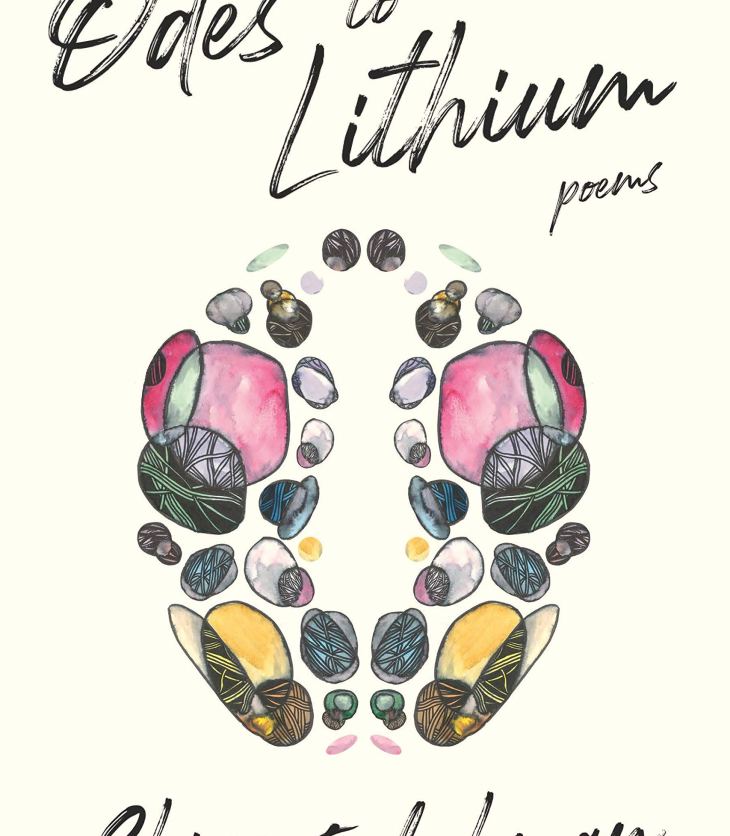
“Mental illness is not trivial, not something that should be easy to write or read or talk about, and it’s important that she included elements . . . that might come off as excessive or overwhelming,” writes reviewer Hannah Page.
(poetry review)

The invisible turns home into battlegrounds and destroys the romance between man and woman. These details never make it to history books.
(nonfiction)

With boys comes a lot of stress. You worry about how you can buy him his own place, or you worry about who he’ll bring into your house.
(fiction)

A cacophony of voices inquiring, wanting to disentangle the mysteries of the tattoos like hieroglyphs, pictograms.
(fiction)

