
This week, ACM is posting poetry every weekday.
even baby’s breath is weary and stale
in their nostrils falls the hail
the country’s black men sent to jail
(poetry)
This week, ACM is posting poetry every weekday.
even baby’s breath is weary and stale
in their nostrils falls the hail
the country’s black men sent to jail
(poetry)
This week, ACM is posting poetry every weekday.
You are forced to think very formally, very
philosophically, Someday a siren will come for you,
and you hold your breath, rub your eyes, roll
with a groan to flick on the late Late Late Show.
(poetry)

This week, ACM is posting poetry every weekday.
One guy said I looked like Queen Elizabeth in it,
so I wore it everywhere, led entrances
with hip swishes and a smirk,
blasted “Flagpole Sitta” in my headphones
because it was my baddie girl-esque era.
(poetry)

This week, ACM is posting poetry every weekday.
Despite what you may think,
I am comfortably phallic.
I wonder if your punchline
can live for two hundred years,
burrowing through human muck
and blood and flushed tissues.
(poetry)
This week, ACM is posting poetry every weekday. This is the first.
through my brother’s bedroom door, the expectations of manhood
complete: apology, sincerity, apology—take it and move on.
In my bedroom alone, shaking, I have prayed the old prayers too.
(poetry)
One of the essential qualities of my mind has always been an inability to distinguish between “being” and “being with.” I wanted to play with girls, and hence decided, age eight, that I wanted to be a girl. Why is it, I asked myself and the sky, as I continued down Grand Street, that the current trans debate focuses so much on trans women in sports? Rather than on, say, sports?
(nonfiction)

When I traveled to Geneva, no matter what else was on the agenda, a reservation at the Boeuf Rouge was required. I never changed my order from quenelle de brochet. I looked forward to the quenelles more than any other part of my visit; they were a reliable, savory anchor in my itinerant young life.
(nonfiction)

Part of a series of Native poetry collected by Mark Turcotte.
did you know trees grieve one another?
i wonder how long they hold grief in their bodies
i wonder how grief sticks in tree ring?
(poetry)

I would need help to enter, hesitatingly, into my mother’s sick body, to bite into her cancer, twist it every which way, let it melt on my tongue like a communion wafer, pierce it with my teeth and let out all its juice, its pus, lick my fingers. It would definitely taste like something unfamiliar, but I’d continue, that’s how the abscess would burst, how I’d heal my mother, how I’d heal from my mother, it would be enough for me to swallow her whole, she would be in me, and I’d spit her out again to rid myself of her.
(fiction)
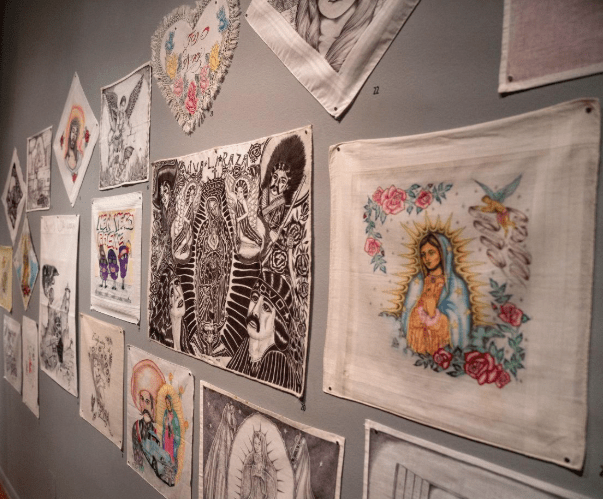
“One of the overwhelming and heartbreaking themes of mass incarceration is dehumanization. Time and time again, these stories of what happens to prisoners in any of these systems gets buried under all of the legal jargon. And the back and forth in courts, the many steps that happen take power away from the incarcerated and erase the story of the individual,” Chloe Accardi tells ACM.

Part of a series of Native poetry collected by Mark Turcotte.
Your kitchen is transfigured, is wild rice soup and Lil Nas X
Your porch, a portal, re-applying lipstick
between each press to cigarette filters, to skin,
to handcheekforeheadjaw, to make sure you leave marks
(poetry)

And mirrored in the dilated,
upturned eyes, can you, she asks, see a room’s
bright window, panes of light. And can you see
how the selfsame light pours into us,
the shine of attention, of tenderness.
(poetry)

She used to talk nonstop, now she calls so little, asking strange questions. One time she asked him about that Wednesday morning in 1976. He was just fifteen then. She wasn’t even born yet! Crazy girl, cried over dead communists. What has she been doing in America? Countries kill their people all the time.
(poetry/No Place is Foreign)
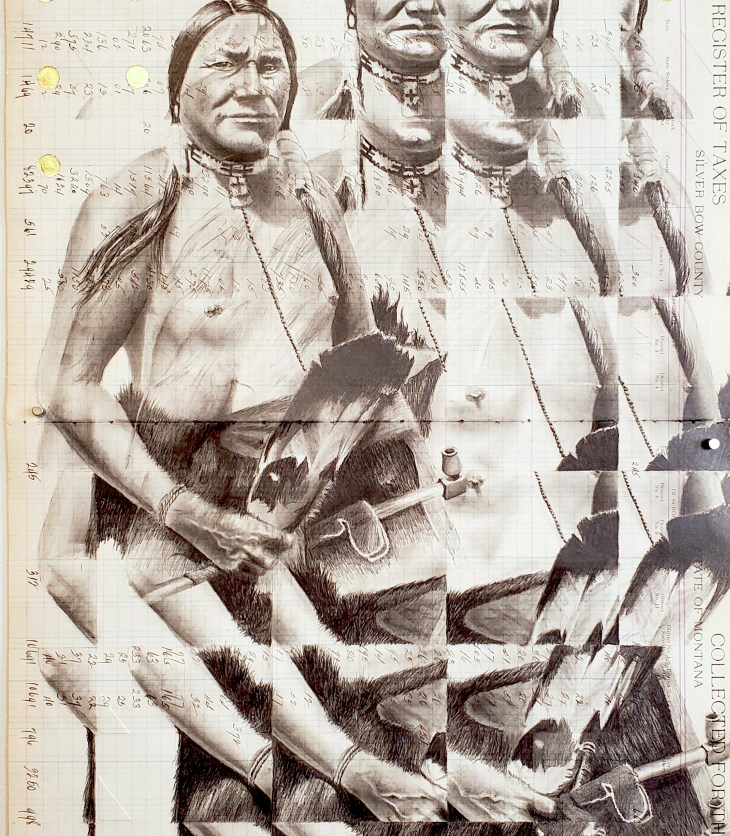
Part of a series of Native poetry collected by Mark Turcotte.
I sat at his grave,
rearranging ever-present anger and decades old resentments into
drunken one night
stands, warring
with abstract and weak forgiveness.
(poetry)

“An eleven-year-old girl sees something no child should—and keeps her silence. In a world of broken promises and simmering class tension, what she witnesses becomes a secret weapon in a household on the brink.”
(fiction/No Place is Foreign)

This week, ACM is posting book reviews every weekday.
Focused primarily on her childhood, Kercheval’s memoir is told in a series of seventeen fanciful chapters—ranging from four to twenty pages each—on subjects including her parents, her imagined worlds, her body (as well as the bodies of others), and the events, people, objects, and entities that shaped her. Shifting metaphors abound.
(reviews)
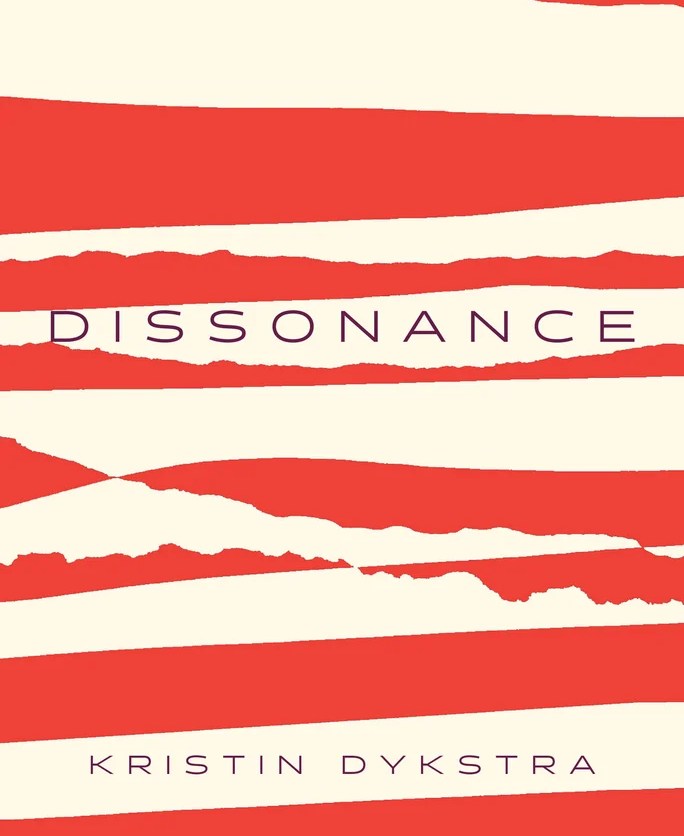
This week, ACM is posting book reviews every weekday.
The book, at its core, follows the speaker’s daily journeys along a rugged mountain road over the course of a year, with the gravel thoroughfare and its environs serving much the way Thoreau’s Walden Pond once did— fueling reflections on humanity in general, and the present moment more specifically.
(reviews)

This week, ACM is posting book reviews every weekday.
Supposing there was any lingering hope that the modal interventions of capitalism might deliver us, as a whole, into a brighter, more sustainable future, well, Gilbert’s poems are here to announce the ethical insolvency of that hope—or, not only are we totally, irrevocably fucked, but the severe degree to which we are fucked has already reshaped our ecology, our futurity, our reality.
(reviews)

This week, ACM is posting book reviews every weekday.
Catrileo’s florid, visceral writing traverses the centuries—from the so-called Conquista, Spanish term for the brutal colonization of the Americas, to the modern-day capital city. It is a lyrical and nonlinear chronicle that spans the arrival of invaders armed with “old maps” and “steel fire” to urban streets studded with bars and patrolled by police known for their brutality.
(reviews)

This week, ACM is posting book reviews every weekday. This is the first.
The volume opens with an epigraph quoting Toi Derricotte, the co-founder of Cave Canem, an organization dedicated to the future of African American poetry: “Joy is an act of resistance.” We learn through these poems of the sheer joy of Black woman creativity, as well as the power of women speaking out against injustice and evil.
(reviews)

The latest in our FORTHCOMING series of excerpts from new and recent books:
Blair emerged otherworldly in his cloud of sawdust,
but wheezing and sucking for air. Over his head,
centerfold pin ups in every garage door panel
were framed by black tape. They hovered like angels.
“See, that’s the thing, my little ningning.” He booped my nose and grinned even more. “It doesn’t always have to end with death. Minsan, the greatest sacrifices come from living.
(No Place is Foreign/fiction)
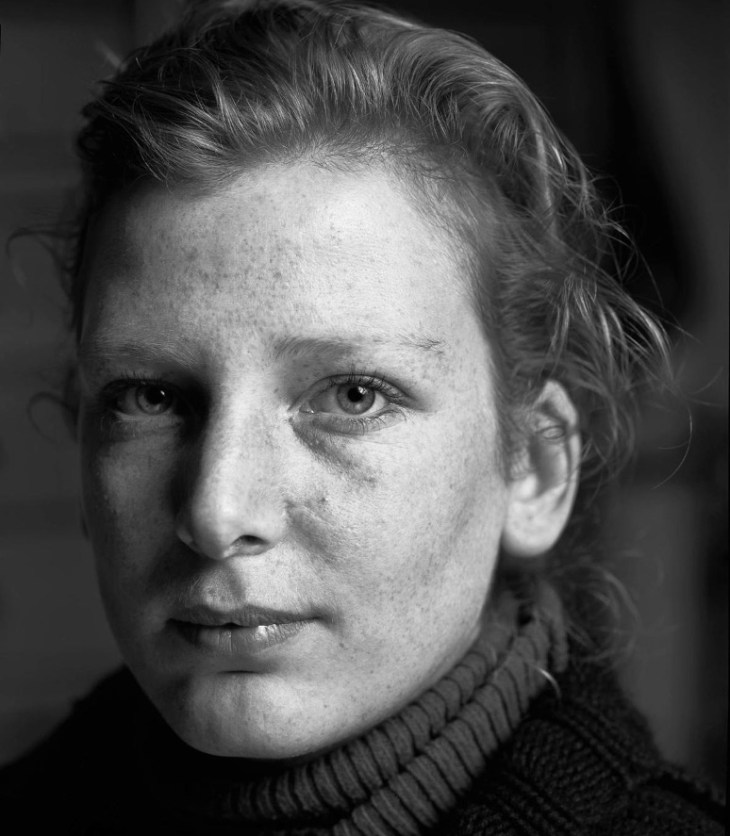
I’ve never thought of myself as someone with a scar, but in this portrait, the damage from a dog bite is clearly visible next to my nose. A dent, a scratch, and a bump, a kind of trinity.
(fiction)
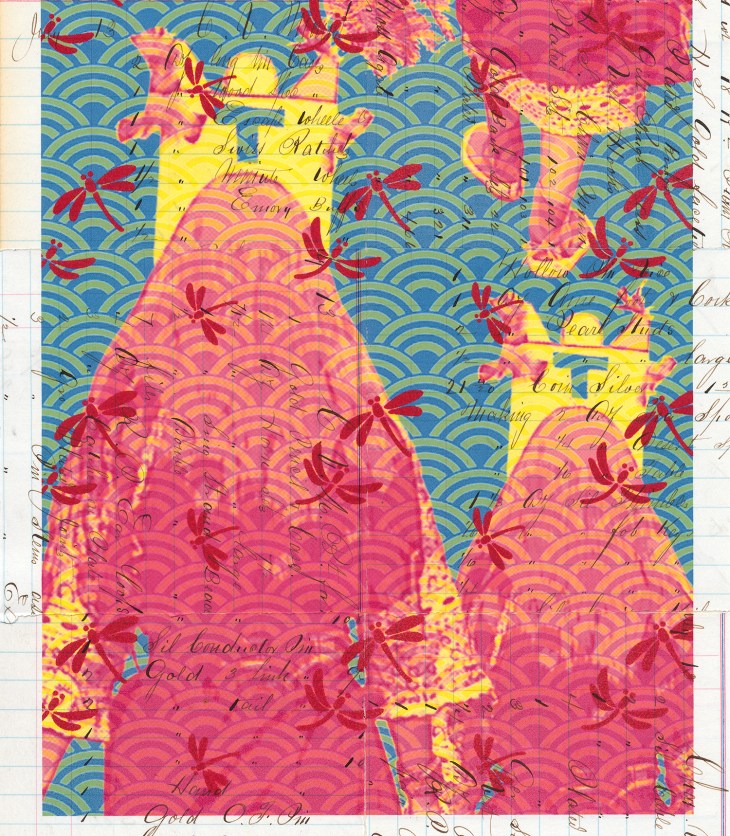
Part of a series of Native poetry collected by Mark Turcotte.
to hold sky, rain, all
beloved creatures born to climb.
And I, earthbound, earth-bonded,
a troth renewed with each step.
(poetry)
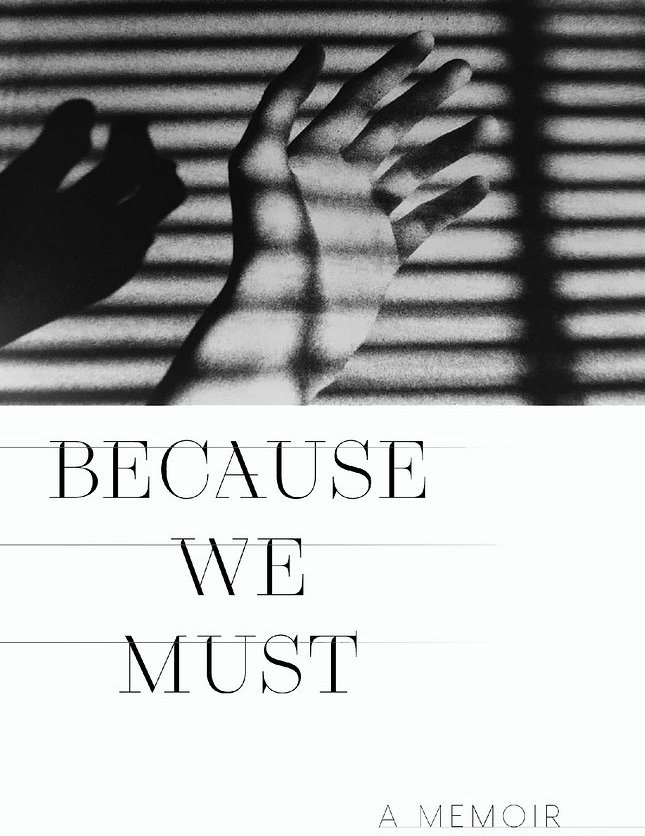
Between the chapters of the hazy hospital days, Youngblom recollects stories of her son’s childhood and his dreams of becoming a marching band director. She savors the moment Elias first learns to ride a bike and his need for her to hold onto the seat. As the chapters travel across time, the structure captures Youngblom’s stream of consciousness and memories of Elias as gentle and thoughtful.
(reviews)
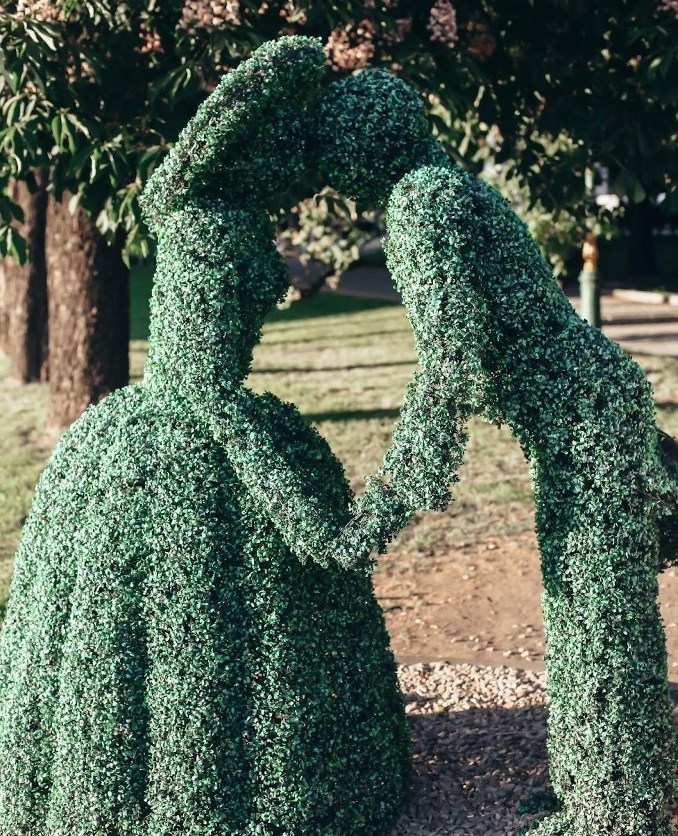
I tried to envision walking down old cobblestone streets, but my memories drowned in darkness: My brain clasped shut. The doors that were so hard to close when I was leaving twenty-two years ago were even harder to reopen now. But I had to. I had to go back and face the ghosts and the memories. Had to shine a light into all corners of the old dark closet. I was planning a trip to visit my mother in Russia, and as the trip got closer, I decided I was ready to go home. I tacked on a few days in Kharkiv.
(nonfiction/Dispatches from Ukraine)
Part of a series of Native poetry collected by Mark Turcotte.
they built the mall of america
like a curse over the convergence
of our dreaming
they carved their brave explorers names
all men
into our mother’s tongue
(poetry)
This is the first of a series of Native poetry collected by Mark Turcotte.
My father. I am your only son.
Look. In my hands I hold a name.
Ours. This proper noun we share.
Oh how you follow me still.
(poetry)
I have missed the predictable angles
of houses & the swollen arms
of buff dads. & these buff dads’
sullen children, their sullen faces
frowning across the road.
(poetry)

 Another Chicago Magazine