
We seek original stories that are preferably under 7,500 words. Please submit no more than…

The book takes a historical view of global conflicts — namely World War II and the Cold War — and Lamantia’s reactions against the imperial war machine, both in the United States and within globalized systems, emerge as a precursor to the apocalyptic themes often present in Western poetry.
(reviews)
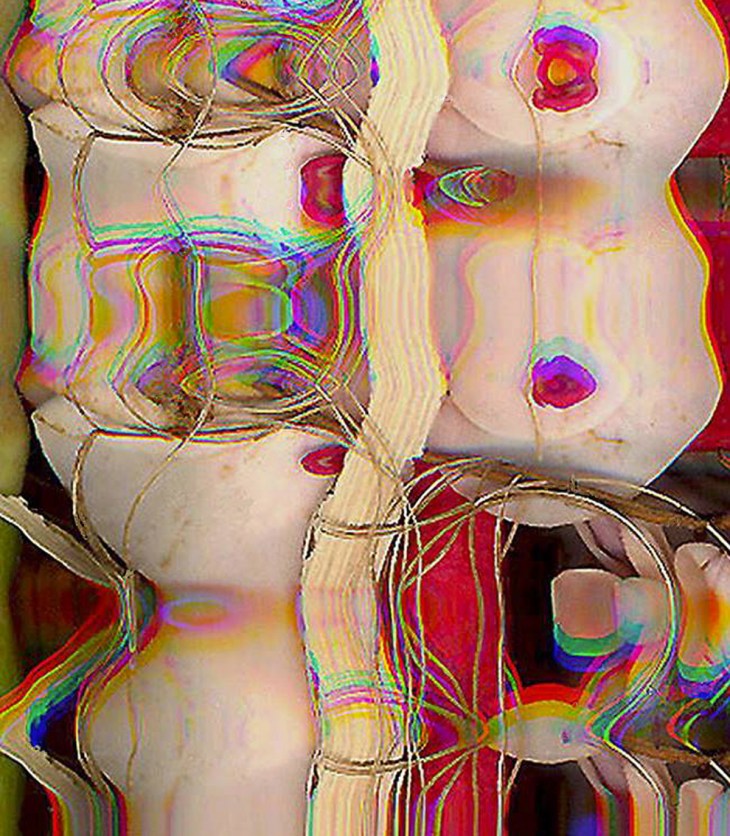
I like art best when its artifice dissolves. Pull back the curtain: It’s me, looking sheepish. Which me is almost irrelevant: I’ll answer to any name you call. Surrendering is only erotic when what you’ve held inside too long has named you. Made you its shape.
(nonfiction)

At 4 a.m. I am awakened by a vision of the river goddess. I am told without words that she saved baachan from drowning. After the funeral of my great-baachan. After a mokugyo drum was broken through. After a shaman sprinkled gold dust into the house’s fire.
(nonfiction)

Danielle Steele’s Going Home, Alice Munro’s Dear Life. Richard Bach’s Jonathan Livingston Seagull. Ali flips open a moldy Farsi translation of The Three Musketeers, his eyes landing on “All falsehood is a mask” just as a slip of paper glides down onto the library’s patchy carpet.
(No Place is Foreign/fiction)
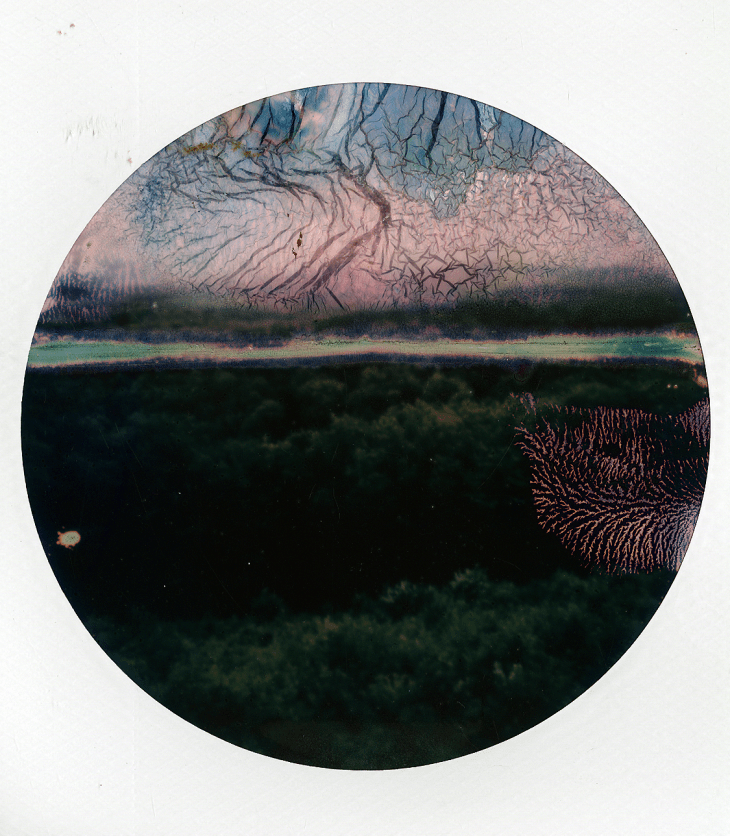
the opening of a cut grape
the butterfly
if it were to lightly rest upon the extremity of the grape
and pretend to drink
if it wasn’t drinking
what was to be done then?
I would have to
improve how well I see, with these eyes
improve how well I hear sounds
and so, employing my hands
I noticed
the smallest of movements
(translations)

The latest in our FORTHCOMING series of excerpts from new and recent books:
After descending into the basement, you act as if you never went, as if you have no idea what the basement really is or what happened there. Even though you left the girl you once were in the basement, you spent the rest of your nights pretending it didn’t happen.
(fiction)
When my father measured women in percentages, I learned to chart myself like livestock—head, pelvis, torso. Yet the red horse leaned his warmth into me, the chickadees sang, and the body refused to stay math. Years later, back home, I discover what love weighs when you stop counting.
(fiction)
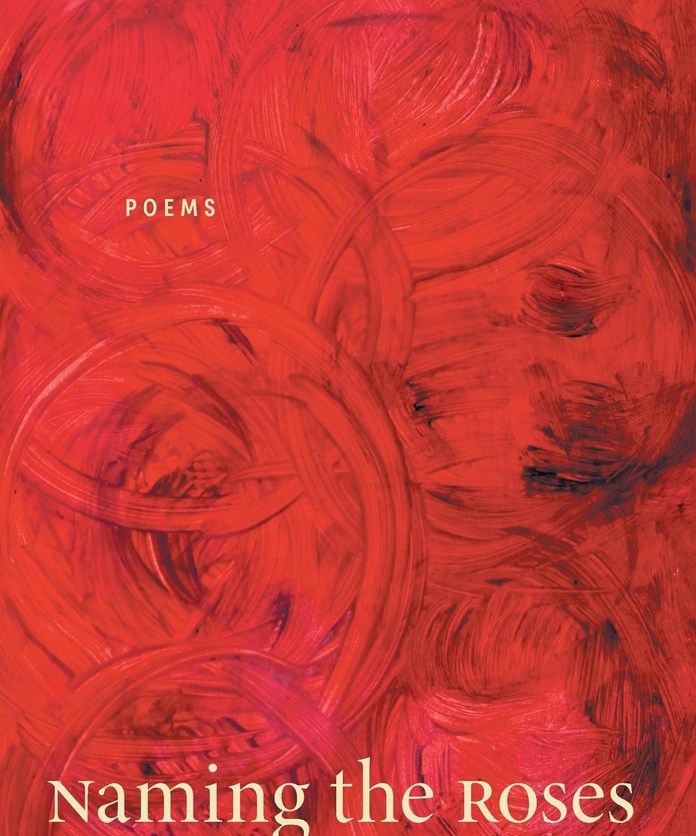
The poems in Naming the Rose draw from vulnerable, autobiographical elements mixed with the obliviousness of those around the speaker. The two-sectioned poem “The Light of Day” contrasts loving memories of pumpkin carving by the speaker’s daughter with the fear of the speaker-mother as her partner and the father of her daughter, “drunk,” “too drunk,” “rid[es] down the highway at 90 miles an hour” with “a huge stolen pumpkin on [her] lap.”
(reviews)

The holes breathed damp breath that wasn’t quite alive but wasn’t dead either. It takes little to make beauty out of wreckage, wreckage out of beauty. Winter sun gleams in the spray, constellates in the ice. A Buick skids from the road and tumbles across a bare field.
(nonfiction)

