In a sense, post-truth and post-Trump, MAD’s cynically absurd reality has replaced our “reality-based” world. Its outsider and jaundiced view of media, institutions, and those who’ve “made it,” has become de rigueur in American culture.
(nonfiction)
Category: Reviews
“The lesson in Moore’s father’s biography is that you don’t have to be deep in the bowels of the earth, buried upside down, gulping mouthfuls of excrement to be deep in Hell. You don’t even have to be dead; a few feet below the surface is enough. You just have to be riven with guilt and committed to numbing the pain,” writes reviewer David Gottlieb.
(nonfiction)
“Roberts has described her work as “vignettes of meaningless experiences,” but this meandering, nonlinear work feels honest in its making mountains out of molehills” write reviewers Nora Hickey and Amaris Feland Ketcham.
(graphic nonfiction review)
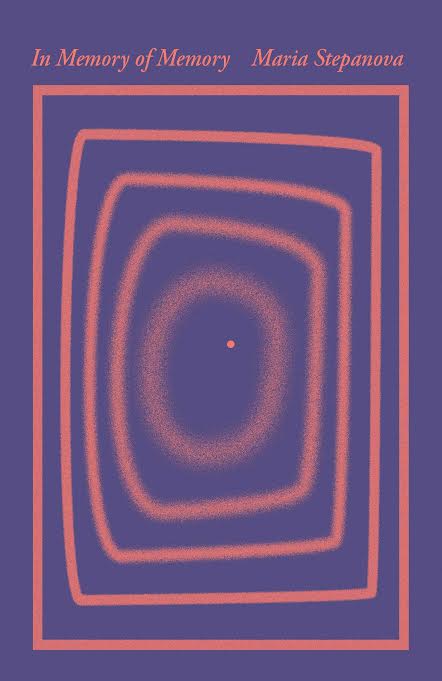
“In Stepanova’s voyage there is life and death, silence and narrative, memory and oblivion” writes reviewer Marek Makowski.
(fiction review)
“Hosking writes about her father,” says reviewer Catherine Faurot, “but his presence is felt more as a fading afterimage, a hole in the film burning incandescently.”
(poetry review)
“Ghost poems of a haunted landscape, told in almost hypnotic lyricism, somehow bleed seamlessly into haunted writers and artists suffering in landscapes far from the West,” writes Sadie Hoagland.
(poetry reviews)
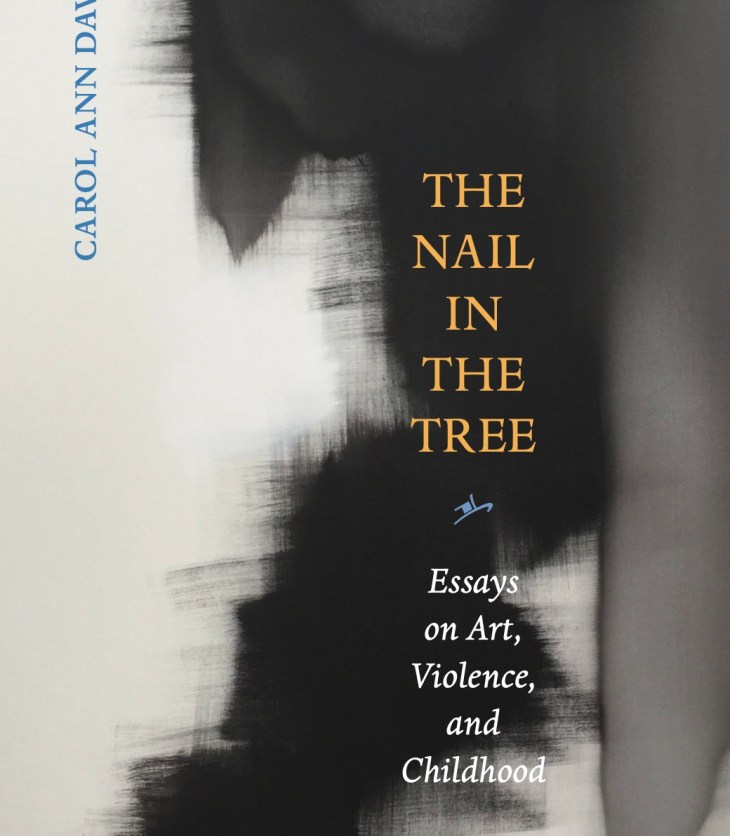
“Carol Ann Davis makes us ache in these essays and lets the quiet moments explode within our hearts,” writes reviewer S.T. Brant.
(nonfiction reviews)
“The great achievement of Cracked Piano is that its poems present psychological pictures of a person in loneliness,” writes reviewer John Zheng. (poetry reviews)
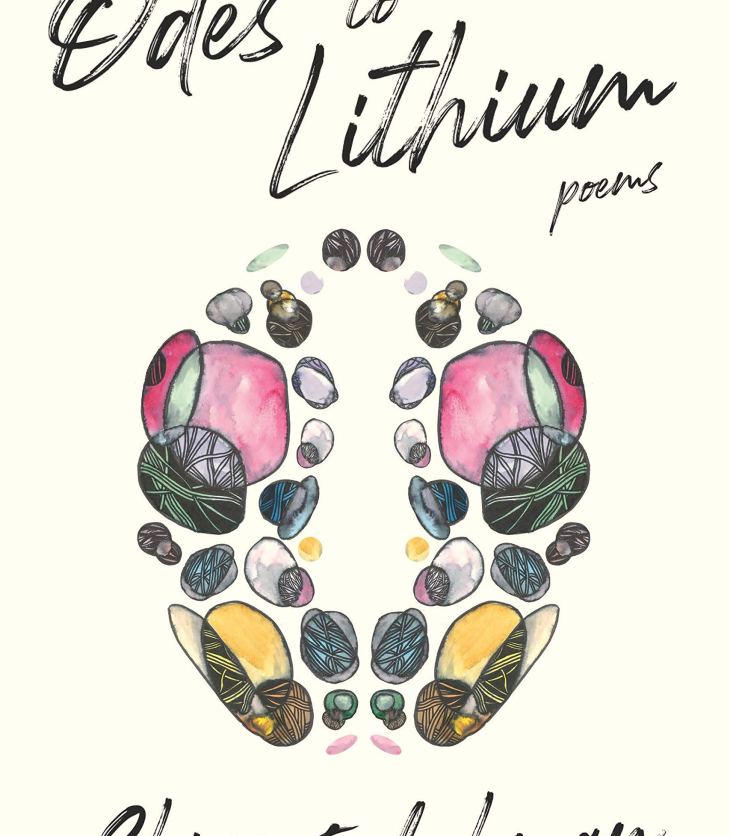
“Mental illness is not trivial, not something that should be easy to write or read or talk about, and it’s important that she included elements . . . that might come off as excessive or overwhelming,” writes reviewer Hannah Page.
(poetry review)
“The poet’s love-hate relationship with her laptop becomes fully realized in ‘Off the Web,’ as too much time on the internet leads to feeling ‘my dress / gather headwinds and swirl, then lift
like / Marilyn’s over a grate,'” writes Richard Holinger.
(review)