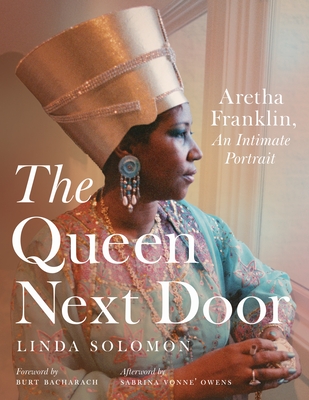
“The singer experienced considerable challenges during [the 1980s] : On the positive side, she recaptured the wide public’s attention with her hit 1985 album “Who’s Zoomin’ Who?” But she also lost her father, C.L. Franklin, in 1984 after a 1979 gunshot put him in a five-year coma,” music critic Aaron Cohen writes.
Category: Race/riot/rebellion/revolution
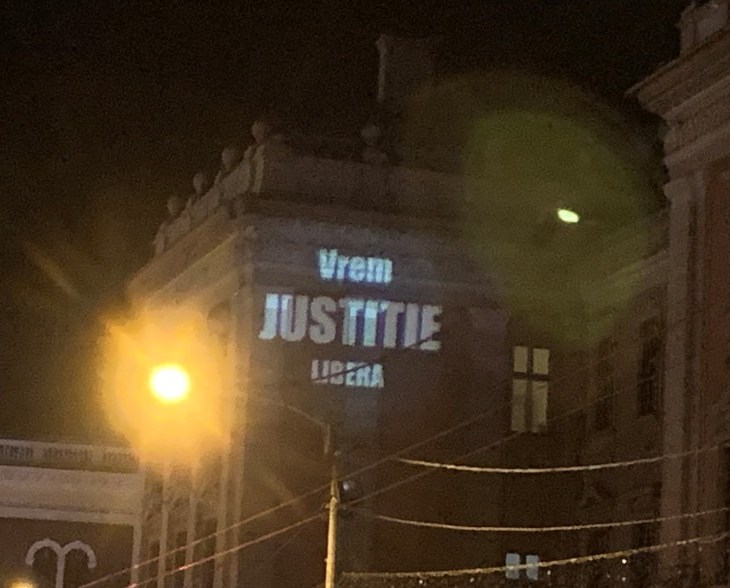
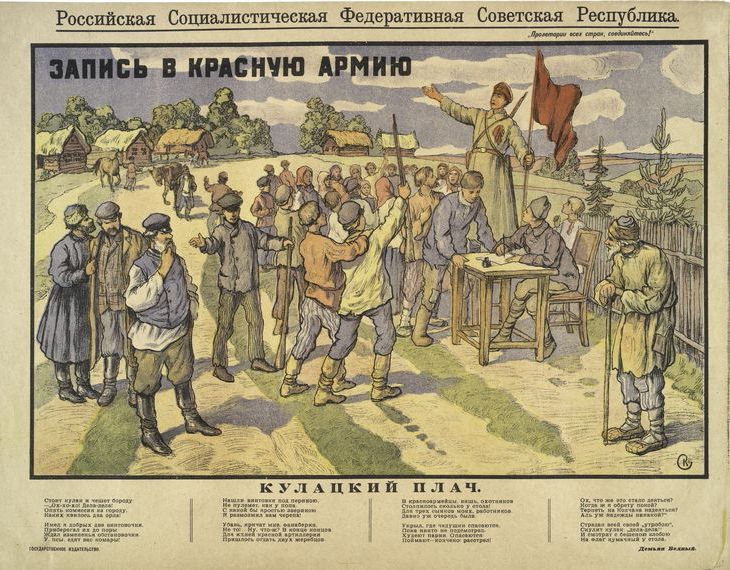
In December 1989 in Romania, the crowds spilling into the streets chanted: “We will die and we will be free!”
(nonfiction)
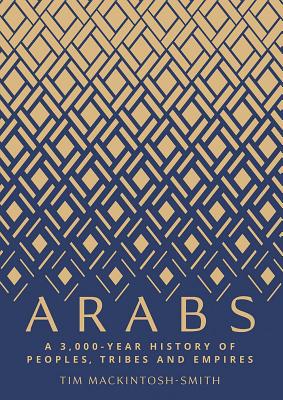
“In this breathtaking book, Tim Mackintosh-Smith takes us through 3,000 years of Arab history. The unifier is not, as one might guess, Islam,” Richard Wirick writes in his book review.
(review)
I should note, as a white person among the white majority of Americans, that white people need to be more reminded of this history because it’s easier for white people to ignore that history.
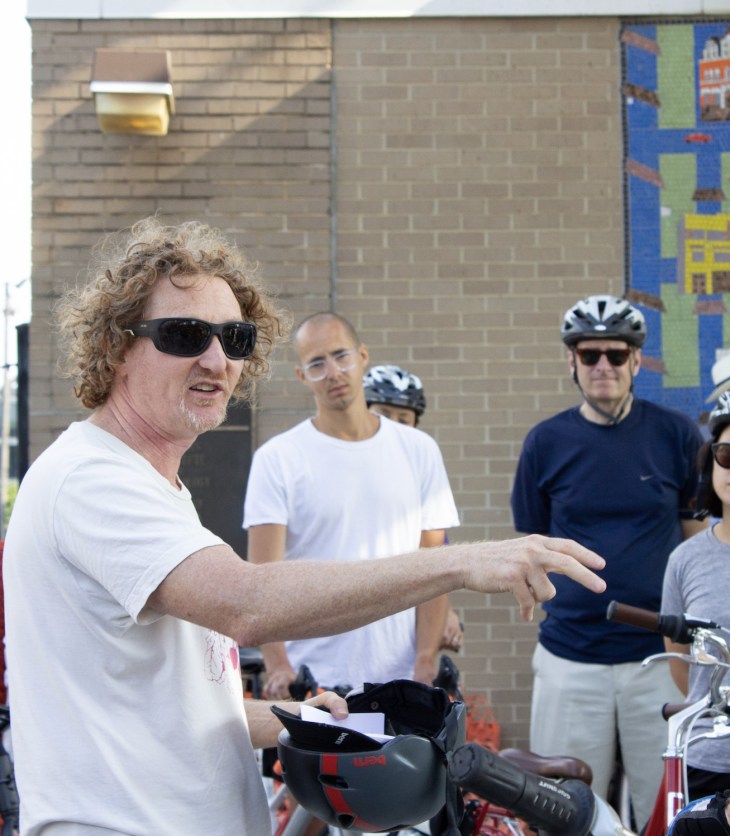
Bike riders get a chance to see the sites of the 1919 Chicago riots.
(The Loop)
I asked why I was being taken aside. A woman in uniform and gloves told me I had to be screened for bomb paraphernalia.
“Do you speak English?” she asked me. This was after I had asked her why I was being taken aside, in perfect English.
(nonfiction)
In the book, a Dakota “spirit” reminds Mary Todd Lincoln that despite Abe’s mainstream legacy as the hero who ended slavery, “Lincoln’s actual record on racial equality is fraught with violence and oppression,” Sarah Sorensen writers.
(review)
“Bey’s examination points to the long history of racism, classism, and economics that have ingloriously combined to create the particular set of circumstances that give rise to contradictions,” reviewer Philip Berger notes.
(review)
Almost seventy years after the founding of the People’s Republic of China, and while the Hong Kong protests continue, Richard Wirick looks back at the 1989 Tiananmen Square protests and the violent government crackdown.
(nonfiction)
Graphic essay mashup of an early 1950s pulp comic book and text from legendary Argentinian art collective Tucumán Arde.
(The Loop)
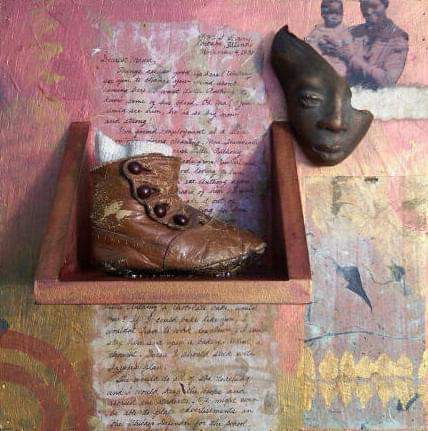
The bid-whist-playing, gin-drinking, chit’lin-cooking, barbecuing, party-loving Pattersons. That was Mama’s family–loud, boisterous and slightly disreputable. Miss Jonita declared them “country,” though the Pattersons had been established in Chicago a good half-century before Miss Jonita’s people came Up North, or as Black folks ironically deemed it, “Up South” from Arkansas.
It becomes increasingly clear, then, that the government does not intend to use its army as an institution of pure militaristic purpose. If it did, then it would have focused on quality over quantity
(nonfiction)
“People have certain views even about building walls, etc., but that doesn’t mean they’re racist, it means they’re genuinely afraid. Of course there were the weird, psychotic people but the majority of people it seemed to me were reasonable and kind, even the ones who hold certain views,” Tarek Mounib tells ACM.
Imprisoned behind glass in New York City’s Jewish Museum: a sinister grin in graphite. Too big-teeth and hairy brows crowned with a jester’s coxcomb. “I wanted something visually exciting,” Jerry Robinson said of his concept sketch of The Joker. “I wanted something that would make an indelible impression, would be bizarre, would be memorable.”
(nonfiction)
Solve this problem: Your daughter’s playing with a doll, a gift she just received from a friend. The doll is white.1968: John Carlos gives the black power salute Arthur Ashe wins the first US Open. 1970: Toni Morrison The Bluest Eye the problem of “whiteness” as a standard of beauty Arthur Ashe wins the Australian Open. 1972: Bettye Saar The Liberation of Aunt Jemima 1975 the liberation continues Arthur Ashe outthinks Connors to win Wimbledon “no matter what I do, or where or when I do it, I feel the eyes of others watching me, judging me.”
(nonfiction)
Krystal developed into a first-string basketball player, and in junior high she’d been scouted. The acting-out years began and Krystal was sent to Elan, a residential school for troubled teens.
(nonfiction)
“Black people often comment on the fact that when you see some person’s name trending on Twitter among your circles, someone Black who you’ve never heard of, your first thought is, ‘My God, someone has been murdered again,'” Eve Ewing tells ACM poetry editor Tara Betts.